What Year Did Toyota Start Using CVT Transmissions? Find Out Now
Toyota has a long history of developing new car technologies. One of the most important changes in modern car transmissions is the use of CVT transmissions. CVT stands for Continuously Variable Transmission. Instead of using fixed gears, a CVT can change smoothly through many gear ratios. This helps cars drive more smoothly and often improves fuel efficiency. Many drivers today see CVT as a standard feature in Toyota cars, but when did Toyota first start using this technology? Let’s explore the timeline, the reasons behind the shift, and what it means for drivers today.
Early Years Of Cvt Technology
To understand Toyota’s use of CVT, it helps to know a bit about the technology’s background. CVTs have been around in basic forms since the 19th century, but they were mostly used in small engines and motorcycles. For decades, traditional automatic and manual transmissions dominated the car market.
In the 1980s and 1990s, Japanese carmakers started to experiment with CVT in small cars. These early versions were not very common, and most drivers had never tried one. The technology was still developing, and there were questions about durability and cost.
When Did Toyota Start Using Cvt Transmissions?
The first time Toyota used a CVT in a production car was in 1997. The model was the Toyota Prius, which became famous as the world’s first mass-produced hybrid car. The Prius used a special type of CVT called an e-CVT (electronic continuously variable transmission). This system was designed to work with the car’s hybrid engine and make driving smoother and more efficient.
Here’s a quick look at Toyota’s CVT timeline:
| Year | Toyota Model | Type of CVT |
|---|---|---|
| 1997 | Pruis (XW10) | e-CVT (Hybrid) |
| 2000 | Opa | Belt-driven CVT |
| 2001 | Vitz/Yaris | Belt-driven CVT |
| 2004 | Corolla (Japan) | Super CVT-i |
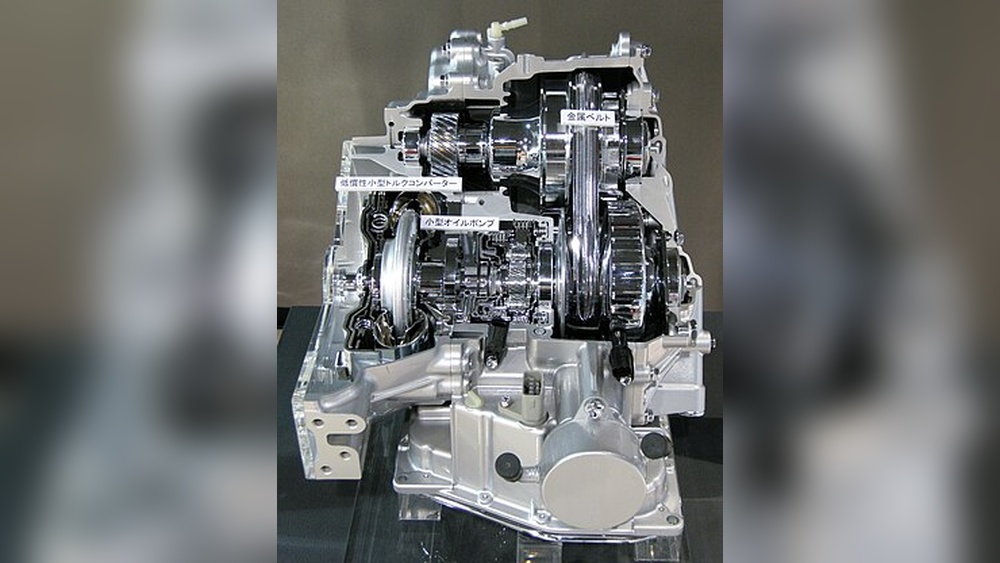
After the Prius, Toyota began to use CVTs in more models, especially in Japan. The Toyota Opa (released in 2000) was one of the first non-hybrid Toyotas to have a belt-driven CVT. The technology spread to the Vitz/Yaris in 2001 and then to other models in the following years.

Credit: www.morganautogroup.com
Why Did Toyota Choose Cvt?
There were clear reasons for Toyota’s move to CVT:
- Fuel efficiency: CVTs help engines run at their most efficient speed, which saves gas.
- Smooth driving: Without fixed gears, the car accelerates without the usual “gear shift” feeling.
- Better emissions: Running the engine at the best speed reduces pollution.
- Hybrid compatibility: CVTs work well with electric motors, making them ideal for hybrid cars.
Toyota also saw CVT as a way to meet strict new fuel and emissions rules in Japan, Europe, and the US.
How Does Toyota’s Cvt Compare To Others?
Toyota’s approach to CVT is a bit different from some other carmakers. For hybrid models like the Prius, Toyota uses an e-CVT. This design uses a planetary gearset instead of belts and pulleys. It’s very reliable and long-lasting because there are fewer moving parts.
For small gasoline cars, Toyota uses a belt-driven CVT called Super CVT-i. It is designed for smoothness and efficiency in city driving.
Let’s compare Toyota’s CVT with traditional automatic transmissions:
| Feature | CVT (Toyota) | Traditional Automatic |
|---|---|---|
| Gear Changes | Seamless, no steps | Noticeable shifts |
| Fuel Efficiency | Higher | Lower |
| Maintenance | May need special fluid | Standard fluid, more repairs |
| Durability | Good, especially e-CVT | Good, but more moving parts |
Non-obvious insight: Many people think all CVTs are the same, but Toyota’s e-CVT for hybrids is unique. It’s not a belt-driven system, so it avoids some common CVT problems like belt wear.

Credit: www.dallasleasereturns.com
Expansion To More Toyota Models
After early success, Toyota quickly expanded CVT use to other markets:
- By 2004, the Corolla in Japan had the Super CVT-i.
- In the 2010s, North American models like the Corolla, Camry Hybrid, and C-HR also offered CVT options.
- Today, most new Toyota models with small engines or hybrid setups use CVT.
Here’s a sample of recent Toyota models and their transmission types:
| Model | Transmission Type | Year Introduced |
|---|---|---|
| Prius | e-CVT | 1997 |
| Corolla | CVT | 2013 (US) |
| C-HR | CVT | 2016 |
| Camry Hybrid | e-CVT | 2006 |
Another tip for buyers: If you’re looking for a Toyota with a traditional automatic, focus on larger models or trucks. Most newer small and mid-size cars now come standard with CVT.
Common Questions About Toyota Cvts
It’s normal to have concerns about newer technology. Some drivers wonder about reliability, maintenance, and how CVT feels on the road. Toyota’s record is strong: their e-CVT systems, in particular, have an excellent reputation for lasting a long time. Problems are rare if the car is serviced with the correct fluids and at the right intervals.
One practical tip: Always use Toyota-approved CVT fluid. Using the wrong fluid can cause major damage, and many independent shops may not have the right type.
For more technical details, the Wikipedia page on CVT offers a good overview.

Credit: www.classictoyotatyler.com
Frequently Asked Questions
When Did Toyota First Use A Cvt Transmission?
Toyota first used a CVT transmission in 1997, in the original Prius hybrid. This was an e-CVT designed for hybrid systems.
Are Toyota Cvts Reliable?
Yes, especially the e-CVT used in hybrids. These transmissions are known for lasting hundreds of thousands of miles with proper maintenance.
Which Toyota Models Have Cvt Transmissions Today?
Most small and mid-size Toyotas, like the Corolla, C-HR, Camry Hybrid, and all Prius models, use CVT. Larger SUVs and trucks usually do not.
What Is The Difference Between E-cvt And Regular Cvt?
e-CVT (used in hybrids) is based on a planetary gear system and electric motors, while regular CVT uses a belt and pulleys. The e-CVT is more durable and has fewer moving parts.
Do Cvts Need Special Maintenance?
Yes. Always use the recommended Toyota CVT fluid and follow service intervals. Avoid using standard automatic transmission fluid, as it can harm the CVT.
Toyota’s move to CVT began in 1997 with the Prius and has now spread to almost all their small and hybrid cars. CVT technology has helped Toyota make cars that are smoother, more efficient, and often more reliable for everyday drivers.
Understanding how and why Toyota adopted CVT can help you make better choices when shopping for your next car.