How to Tighten Spark Plugs Without a Torque Wrench Safely
Changing spark plugs is a common task for car owners, but tightening them correctly is crucial. Many people don’t have a torque wrench, which is the standard tool for accurate tightening. Luckily, you can still do the job safely with just basic tools and a bit of technique. This article explains how to tighten spark plugs without a torque wrench, with practical steps, safety tips, and real examples.
Why Correct Tightening Matters
Spark plugs control the ignition of your engine. If they’re too loose, they can leak gases or fall out. If they’re too tight, the threads can strip or the plug can break. Both can cause engine damage or expensive repairs.
Most manufacturers recommend tightening spark plugs to a specific torque, usually between 18–25 lb-ft for cars. Without a torque wrench, you need to rely on feel and simple methods to get close to the right tightness.
| Issue | Loose Plug | Overtightened Plug |
|---|---|---|
| Engine Performance | Misfires, poor running | Engine damage, hard to remove |
| Repair Cost | Low to moderate | High |
| Symptoms | Noisy, leaking gases | Cracked plug, stripped thread |
Tools You Need
You don’t need many tools for this job:
- Spark plug socket (usually 5/8-inch or 13/16-inch)
- Ratchet wrench
- Extension bar (for hard-to-reach plugs)
- Rubber hose (optional for hand-tightening)
- Spark plug gap tool (to check the gap)
- Anti-seize compound (optional for easier removal)
A torque wrench is helpful but not necessary for basic tightening. These tools are enough for most cars and motorcycles.

Credit: www.youtube.com
Step-by-step Guide: Tightening Spark Plugs Without A Torque Wrench
Follow these steps for safe and effective tightening.
1. Check The Spark Plug Gap
Before installing, check the gap between the plug’s center and side electrodes. Most cars use 0.028–0.060 inches, but check your owner’s manual. Use a gap tool for accuracy. Incorrect gap can cause misfires.
2. Prepare The Plug And Cylinder
Clean the cylinder area. If using anti-seize, apply a small amount to the plug threads. This prevents sticking but is not always required.
3. Hand-tighten First
Place the spark plug into the hole carefully. Use your fingers or a rubber hose to turn the plug clockwise. Hand-tighten until you feel resistance. This prevents cross-threading, which can damage the cylinder head.
| Method | Risk of Cross-Threading | Ease of Use |
|---|---|---|
| Hand-Tighten | Low | Easy |
| Direct Ratchet | High | Medium |
4. Final Tightening With Ratchet
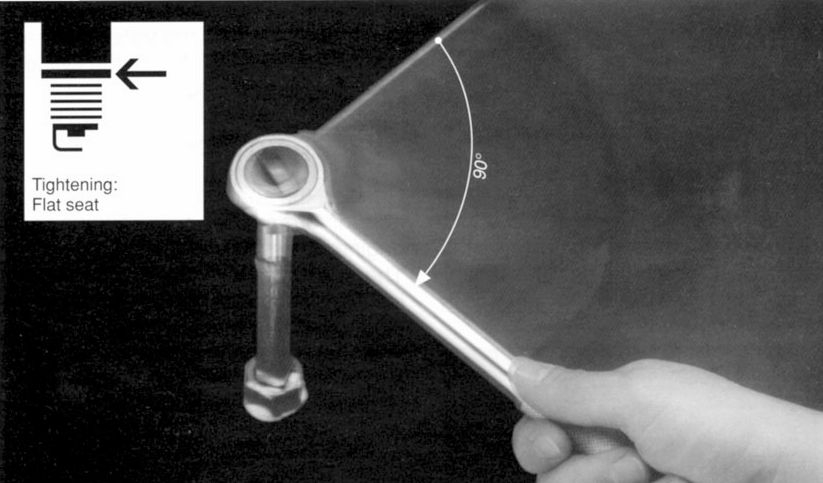
Once hand-tight, use the ratchet. Here’s the key: don’t force the plug. Most spark plug manufacturers recommend a simple method for tightening without a torque wrench:
- For new plugs with crush washers: Turn 1/2 to 2/3 of a turn (180–240 degrees) after hand-tightening.
- For plugs without washers (tapered seat): Turn 1/16 to 1/8 of a turn (about 30–45 degrees).
If you feel strong resistance, stop. Over-tightening is riskier than under-tightening.
5. Double-check Your Work
Once tightened, gently wiggle the plug. It should feel secure but not immovable. If unsure, remove and repeat the process. It’s better to check twice than risk engine damage.
Practical Tips For Accuracy
- Mark your socket with a line to help judge rotation (1/2 turn = 180 degrees).
- Use a rubber hose for hand-starting—this reduces cross-threading risk.
- Don’t use excessive force. If the plug feels tight, stop.
- If you’re unsure, check your car manual for the correct method.
Many beginners forget to check the crush washer. If the washer is missing or damaged, tightening will feel wrong and may cause leaks. Always inspect washers before installation.
Common Mistakes To Avoid
- Skipping hand-tightening: This causes cross-threading.
- Using too much force: Leads to stripped threads or broken plugs.
- Ignoring the washer: Missing washers change the required torque.
- Not checking the gap: Wrong gap means poor engine performance.
A surprising fact: most spark plugs only need moderate force, not a tight squeeze. Mechanics often use the “finger tight + half turn” rule, which is reliable for most models.
| Plug Type | Hand-Tight + Turn | Risk Level |
|---|---|---|
| With Washer | 1/2 to 2/3 turn | Low |
| Tapered Seat | 1/16 to 1/8 turn | Medium |
| Old Plug | Finger tight only | High |
Real-life Example
Let’s say you’re changing plugs on a 2010 Toyota Corolla. The recommended torque is 13–15 lb-ft. If you don’t have a torque wrench:
- Hand-tighten the plug until snug.
- Use your ratchet to turn it exactly 1/2 turn more.
- The plug should feel firm but not hard to turn.
This method works for most Japanese and US cars. For motorcycles, use the 1/16 turn after snug rule.

Credit: www.densoautoparts.com
When To Get A Torque Wrench
If you change spark plugs often or work on high-performance engines, a torque wrench is a smart investment. It guarantees accuracy and prevents mistakes. For most casual users, following the steps above is safe. More info about torque specifications can be found at NGK Spark Plug Learning Center.
Frequently Asked Questions
How Tight Should Spark Plugs Be Without A Torque Wrench?
Spark plugs should be finger tight plus about 1/2 turn for new plugs with washers, or 1/16 turn for tapered seat plugs. Don’t use excessive force.
Can Overtightening Cause Engine Problems?
Yes, overtightening can strip threads or crack the plug, which may lead to expensive engine repairs or poor performance.
Is It Safe To Use Anti-seize On Spark Plug Threads?
It’s optional. A small amount can help removal, but most modern plugs don’t need it. Too much can affect torque readings.
What If My Spark Plug Feels Loose After Tightening?
Remove and reinstall the plug. Check for a missing washer or damaged threads. Always hand-tighten first.
How Often Should Spark Plugs Be Checked?
Check spark plugs every 30,000–50,000 miles or as recommended by your car manual. Regular checks improve engine life.
Tightening spark plugs without a torque wrench is simple if you follow the right method. With careful hand-tightening and proper final turns, you can keep your engine running smoothly and avoid costly mistakes.
Credit: forums.quattroworld.com