Can You Replace Automatic Transmission With Manual: Expert Guide
Thinking about swapping your automatic transmission for a manual? You’re not alone.
Many drivers crave the control and connection that only a manual gearbox can offer. But before you dive in, you need to know what this swap really involves. Can you simply replace your automatic transmission with a manual? How hard is it?
What parts will you need? And will the cost and effort be worth it? You’ll get clear, straightforward answers to all these questions. You’ll discover what’s involved mechanically and electronically, plus why experts often suggest a different approach. If you want to understand whether converting your automatic car to a manual makes sense for you, keep reading. We’ll break it down so you can decide with confidence.
Credit: www.nationaltransmission.ca
Parts Needed For Swap
Swapping an automatic transmission for a manual one requires specific parts. Each component plays a crucial role in making the manual system work smoothly. This section outlines the essential parts needed for a successful swap. Understanding these parts helps you prepare and avoid surprises during installation.
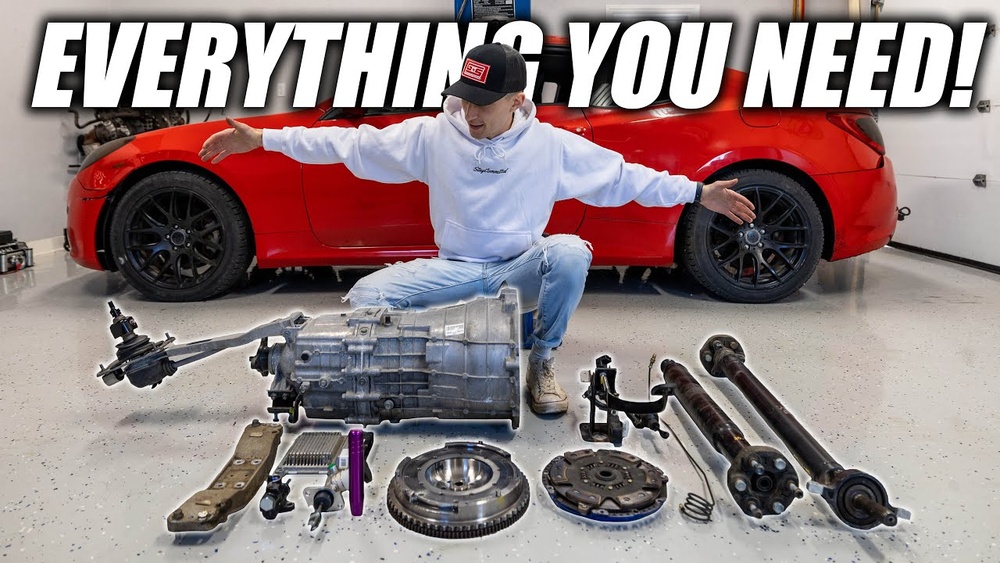
Manual Transmission Components
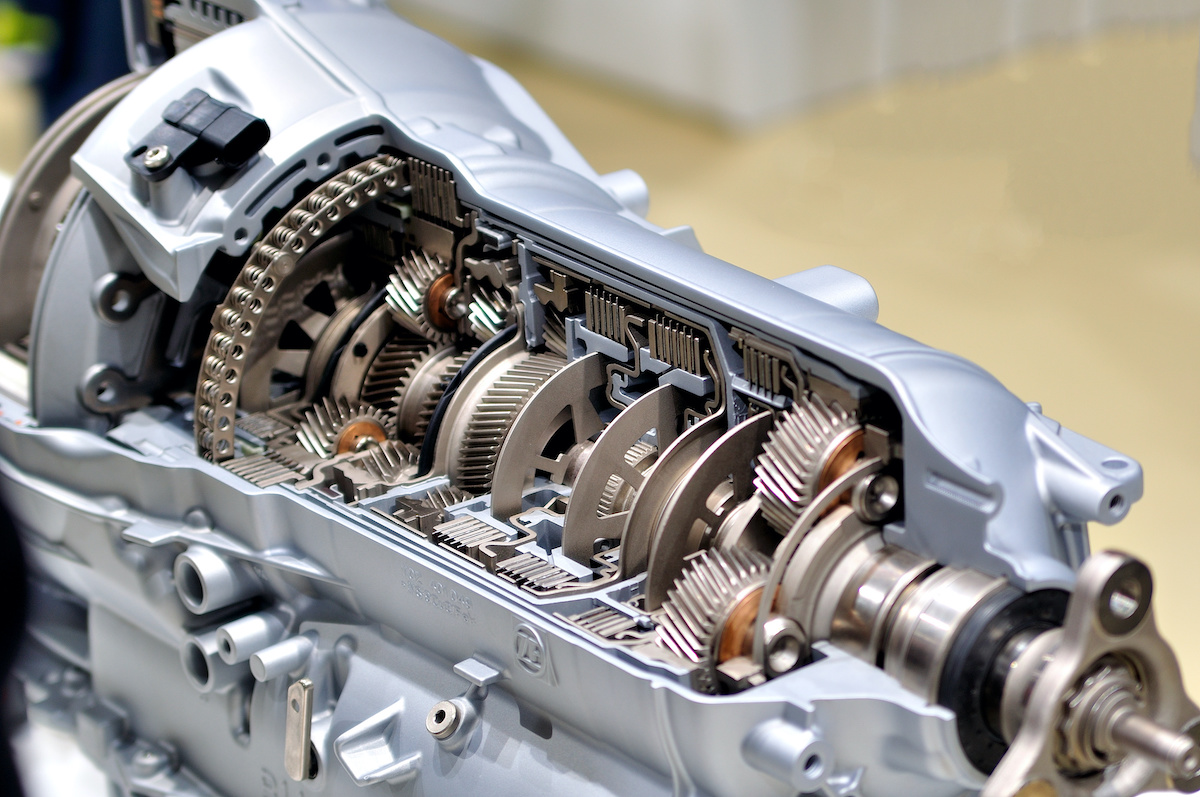
The heart of the swap is the manual transmission itself. It replaces the automatic gearbox. Choose a transmission that fits your car’s make and model. The manual transmission includes the gearbox, shift lever, and associated linkages. It controls gear changes directly through the driver’s input.
Other parts like the flywheel and bell housing also come with or need to be matched to the manual transmission. The flywheel connects the engine to the clutch and must be compatible with the manual setup. Bell housing protects the clutch and transmission connection.
Clutch And Pedal Assembly
A clutch system is essential for a manual transmission. It allows the driver to engage and disengage the engine from the wheels. The clutch kit includes the clutch disc, pressure plate, and release bearing. These parts handle power transfer and gear changes.
The pedal assembly must include a clutch pedal, which automatics do not have. Install a clutch master cylinder and slave cylinder to operate the clutch hydraulics. This setup lets the clutch pedal control the clutch mechanism smoothly.
Drive Shaft And Mounts
The drive shaft may need replacement or modification. Manual transmissions often have different output shaft lengths and splines. Make sure the drive shaft fits the new transmission and rear differential correctly.
Engine and transmission mounts also need to be checked or swapped. Manual transmissions usually require different mounts compared to automatic ones. Proper mounts keep everything aligned and reduce vibrations.

Credit: www.youtube.com
Electrical And Ecu Changes
Switching from an automatic to a manual transmission involves more than just mechanical changes. The car’s electrical system and Engine Control Unit (ECU) also need adjustments. These changes help the vehicle recognize and work with the new manual transmission setup. Neglecting this can cause errors or poor performance.
Ecu Reprogramming
The ECU controls many engine and transmission functions. It is programmed for an automatic transmission by default. Changing to a manual requires reprogramming or replacing the ECU. This update tells the ECU to manage engine behavior without automatic shift commands.
Reprogramming can fix issues like incorrect shift timing and idle problems. It also adjusts fuel delivery and ignition timing for manual gear changes. Some cars may need a new ECU designed for manual transmissions. This step ensures smooth driving and proper engine response.
Wiring And Sensors
Automatic transmissions use several sensors and wiring connections that manual setups do not require. These include transmission range sensors and shift solenoids. Removing the automatic transmission means these components must be disconnected or removed.
New wiring may be needed to connect the clutch pedal switch and other manual-specific sensors. The clutch switch signals when the clutch is engaged or disengaged. Proper wiring ensures the ECU receives correct information to manage engine and safety functions.
Changing the wiring harness can be complex. It requires careful planning to avoid electrical faults. A skilled technician can modify or replace wiring to fit the manual transmission setup. Correct wiring and sensor adjustments are essential for reliable operation.
Tools And Mechanical Skills
Swapping an automatic transmission for a manual one requires specific tools and mechanical skills. Understanding these needs helps you prepare for the project. Proper tools make the work easier and safer. Mechanical skills ensure the swap is done correctly. This section explains what tools you need and the skill level required.
Essential Tools
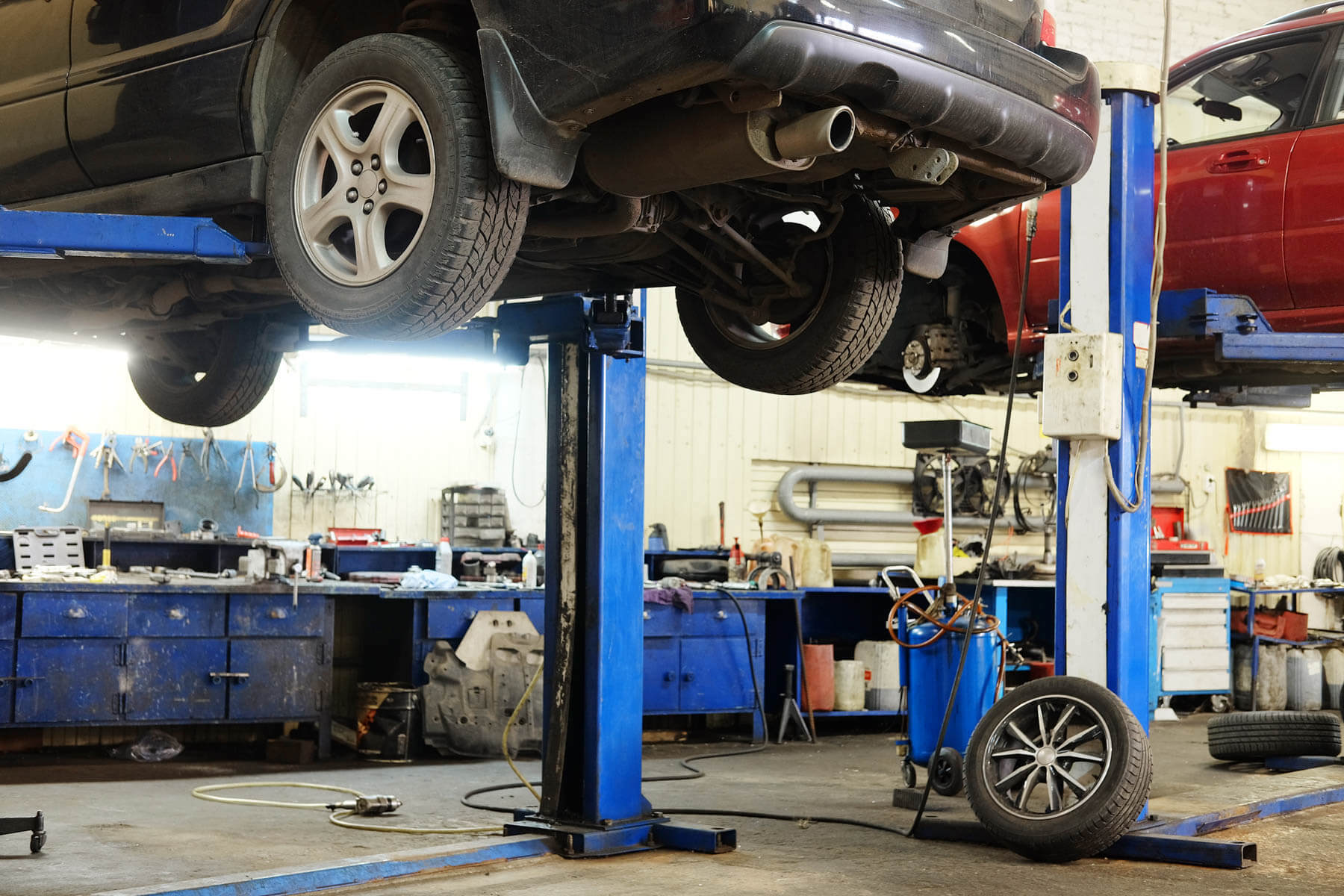
You must have the right tools to complete a transmission swap. Basic hand tools like wrenches, sockets, and screwdrivers are necessary. A jack and jack stands are critical for lifting and securing the car safely. A transmission jack helps remove and install the transmission. Clutch alignment tools ensure proper clutch installation. A torque wrench is needed to tighten bolts to exact specifications. Having a service manual for your vehicle model guides you through the process.
Skill Level Required
This project demands intermediate to advanced mechanical skills. You should know how to remove and install transmissions. Experience with clutch systems and hydraulic lines is important. Familiarity with car electrical systems helps when disconnecting sensors and wiring. Precision and patience are key for aligning components correctly. Mistakes can cause damage or unsafe driving conditions. If you lack confidence or experience, consider professional help.
Cost And Time Estimates
Replacing an automatic transmission with a manual one involves more than just swapping parts. Understanding the cost and time needed helps you plan better. Expenses can vary widely based on parts, labor, and your vehicle model. The timeline depends on the complexity and expertise of the mechanic.
Parts And Labor Costs
The parts needed for a manual swap can cost between $1,000 and $3,000. This includes the manual transmission, clutch kit, flywheel, pedal assembly, and hydraulic components. Some cars may require additional parts like a new driveshaft or ECU reprogramming.
Labor costs vary from $500 to $2,500. Mechanics need to remove the automatic transmission and install all manual components. This job is labor-intensive and requires skill, which increases the labor price.
Project Timeline
A manual transmission conversion usually takes 2 to 5 days. The exact time depends on the mechanic’s experience and car complexity. Custom wiring or mounting may add extra hours. Delays can occur if parts are hard to find or modifications are needed.
Pros And Cons Of Manual Swap
Swapping an automatic transmission for a manual one changes how your car drives. This swap offers benefits but also comes with challenges. Knowing both sides helps decide if the switch fits your needs.
Benefits Of Manual Transmission
Manual transmissions give drivers more control over the vehicle. They allow precise gear changes and can improve fuel efficiency. Many drivers find manuals more engaging and fun to drive. Manual cars often cost less to maintain and repair. The simpler design means fewer parts can break down. Manuals can also improve the car’s resale value in some markets. Learning to drive a manual can be a useful skill.
Challenges And Risks
Swapping to manual is not easy or cheap. It requires many parts like a clutch, pedals, and a new transmission. The installation takes time and must be done by experts. Mistakes can cause damage to the engine or transmission. Your car’s electronics might need reprogramming or new parts. Manuals can be harder to drive in heavy traffic. Some drivers find clutch use tiring and difficult. Not all cars support a manual swap well, limiting options.
Credit: www.blauto.com
Frequently Asked Questions
How Much Does It Cost To Swap A Transmission From Auto To Manual?
Swapping an automatic transmission to manual typically costs between $1,500 and $3,500. Costs vary by car model and parts needed. Labor, clutch kit, transmission, and ECU reprogramming affect the total price. Expect higher costs for complex or modern vehicles requiring extensive modifications.
Is It Hard To Convert An Auto To A Manual?
Converting an automatic to manual is complex and costly. It requires new transmission parts, clutch system, pedal assembly, and ECU reprogramming. It suits experienced mechanics and cars originally offered with manual options for easier installation and compatibility.
How Difficult Is A Manual Swap?
A manual swap can be challenging and time-consuming. It requires mechanical skills, proper tools, and ECU reprogramming. Swaps are easier if the car originally offered a manual option. Expect to replace many drivetrain parts and modify electrical systems for a successful conversion.
Do I Need A New Ecu For A Manual Swap?
A new or reprogrammed ECU is usually needed for a manual swap. It ensures proper engine and transmission communication.
Conclusion
Swapping an automatic transmission for a manual is possible but complex. It requires many parts and careful installation. Electrical systems often need reprogramming to work properly. The process can be costly and time-consuming. Still, some drivers enjoy the control and feel of a manual car.
Think about your skills, budget, and goals before starting. This change is not for everyone, but it can be rewarding with the right approach.