How Do You Reset the Abs Light After Changing Sensor: Easy Steps
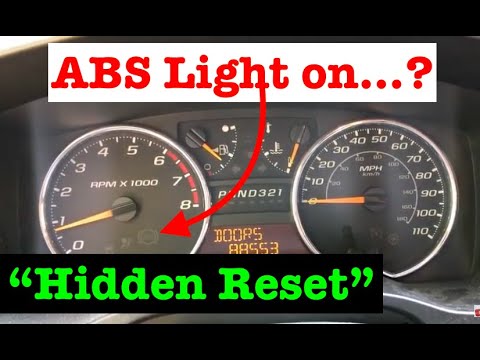
Have you just changed your ABS sensor and noticed that the ABS light on your dashboard is still on? It’s frustrating, right?
You want to make sure your car’s safety system is working perfectly, but that stubborn warning light won’t go away. Don’t worry—resetting the ABS light is easier than you think. You’ll learn simple, step-by-step methods to reset the ABS light quickly and get your vehicle back to normal.
Keep reading, and you’ll have that annoying light off in no time!
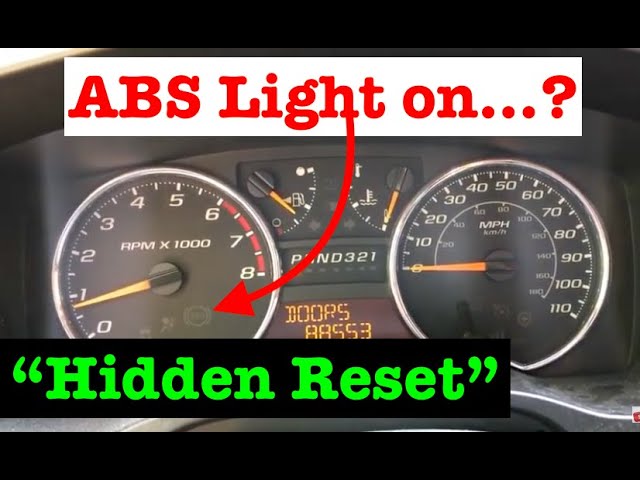
Credit: www.youtube.com
Why The Abs Light Turns On
The ABS light on your dashboard shows a problem with the anti-lock braking system. This system helps keep your car stable during hard braking. When the light turns on, it means the system is not working properly.
It is important to understand why this light comes on. Knowing the cause helps you fix the issue quickly and safely. Often, the problem relates to sensors or wiring.
Common Causes Of Abs Light Activation
One common cause is a damaged ABS sensor. Dirt or debris can also block the sensor. Sometimes, the wiring to the sensor gets loose or broken. A low battery or bad fuse can trigger the light as well.
Other causes include worn brake pads or a faulty ABS control module. Each of these issues stops the system from working right. The ABS light warns you about these problems.
Role Of The Abs Sensor
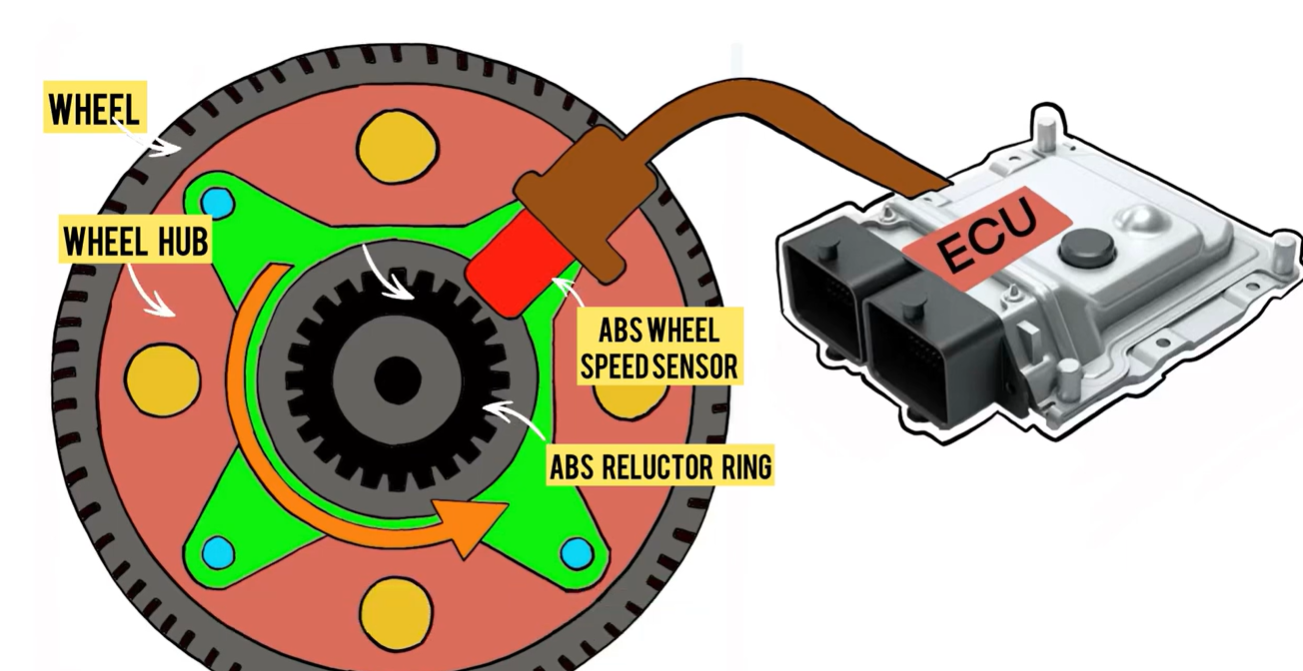
The ABS sensor monitors wheel speed constantly. It sends data to the car’s computer. This helps control braking force on each wheel. If the sensor fails, the computer cannot get correct information.
Without this data, the ABS system cannot prevent wheel lockup. The ABS light turns on to alert the driver. Changing the sensor often fixes the problem and turns off the light.
Tools Needed For Resetting Abs Light
Resetting the ABS light after changing the sensor needs specific tools. These tools help clear the error codes and make sure the system works well again. Having the right tools saves time and avoids extra trips to the mechanic.
Two main tools are essential for this job. One is an OBD-II scanner, and the other includes basic hand tools. Each plays a key role in resetting the ABS light safely and correctly.
Obd-ii Scanner
The OBD-II scanner reads and clears trouble codes from your car’s computer. It connects to the vehicle’s diagnostic port, usually under the dashboard. This scanner shows the exact problem and lets you reset the ABS light. Many scanners are easy to use and cost less than a visit to the shop. Some models even work with smartphones, which makes the process faster.
Basic Hand Tools
Basic hand tools help remove and install the ABS sensor. Common tools include screwdrivers, wrenches, and pliers. These tools allow you to access sensor bolts and connectors safely. Using the right hand tools prevents damage to your car parts. Keep these tools ready before starting the ABS sensor replacement and reset process.
Step-by-step Reset Process
Resetting the ABS light after changing the sensor is key to clear the warning from the dashboard. This step-by-step process helps ensure your car’s system works correctly. Follow each step carefully to reset the ABS light safely and effectively.
Disconnecting The Battery
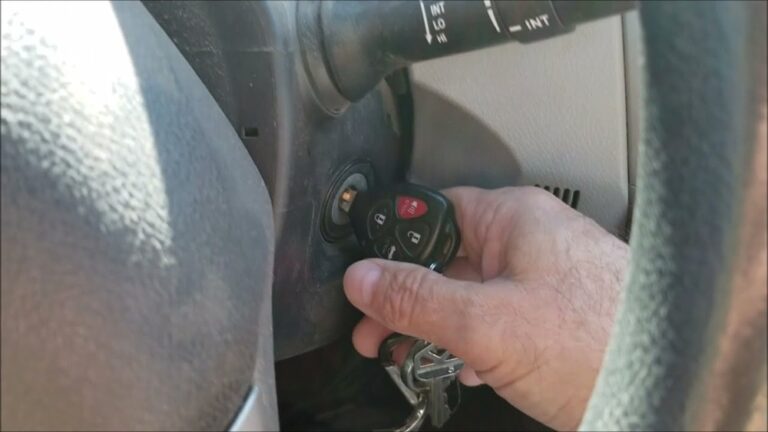
Start by turning off your car. Open the hood and locate the battery. Use a wrench to disconnect the negative terminal first. Wait for about 15 minutes. This clears the car’s memory and resets the system. Reconnect the battery terminals, negative first, then positive. Close the hood and start the car. Check if the ABS light is off.
Using The Obd-ii Scanner
Plug the OBD-II scanner into your car’s diagnostic port. Turn on the ignition but do not start the engine. Follow the scanner’s instructions to read error codes. Locate the code related to the ABS sensor. Use the scanner to clear the ABS error codes. Turn off the ignition and unplug the scanner. Start the car and check the ABS light again.
Test Drive And Final Checks
Drive your car slowly in a safe area. Watch the dashboard for any warning lights. Test the brakes gently to ensure ABS works properly. If the ABS light stays off, the reset was successful. If it returns, recheck the sensor and connections. Visit a mechanic if the light does not clear after several tries.
Credit: www.detroitaxle.com
Troubleshooting Persistent Abs Light
Sometimes the ABS light stays on after changing the sensor. This can be frustrating. Troubleshooting the persistent ABS light helps find the cause. It ensures your car’s safety system works correctly. Follow simple steps to check and fix common issues.
Checking Sensor Connections
Loose or dirty sensor connections often cause the ABS light to stay on. Start by inspecting the sensor wiring and plugs. Make sure all connections are tight and clean. Dirt or corrosion can block signals from the sensor. Use a soft cloth or brush to clean the area gently. Reconnect the sensor and check if the light turns off. Proper sensor contact is key for the ABS system to work.
When To Seek Professional Help
If the ABS light remains on after checking connections, professional help is needed. Mechanics have special tools to read ABS codes. These tools identify exact sensor or system problems. Complex issues may involve the ABS control module or wiring faults. Avoid guessing or ignoring the warning light. A professional can fix the problem safely and correctly. This protects your vehicle and your safety on the road.
Credit: www.youtube.com
Frequently Asked Questions
How Do I Reset The Abs Light After Sensor Replacement?
Resetting the ABS light usually involves using an OBD2 scanner. Connect the scanner to your car, read the codes, and clear them to turn off the light.
Can I Reset The Abs Light Without A Scanner?
Some cars reset the ABS light by disconnecting the battery for 15 minutes. This can clear minor errors but may not work for all vehicles.
Why Does The Abs Light Stay On After Changing The Sensor?
The light may stay on due to incomplete sensor installation or leftover error codes. Clearing the codes with a scanner often fixes this.
How Long Does It Take For The Abs Light To Reset?
After clearing the codes, the ABS light should reset instantly. Sometimes, driving the car for a few miles helps the system update.
Is It Safe To Drive With The Abs Light On?
Driving with the ABS light on can reduce braking safety. It’s best to fix the issue quickly to ensure full brake system function.
Conclusion
Resetting the ABS light after changing the sensor is simple. Start by disconnecting the battery for a few minutes. Then, reconnect it and turn the ignition on without starting the engine. This allows the system to reset. If the light stays on, try using an OBD-II scanner to clear the codes.
Always check the sensor installation before resetting. A properly reset ABS light means safer driving. Take your time and follow these steps carefully. Keep your car in good shape for peace of mind.