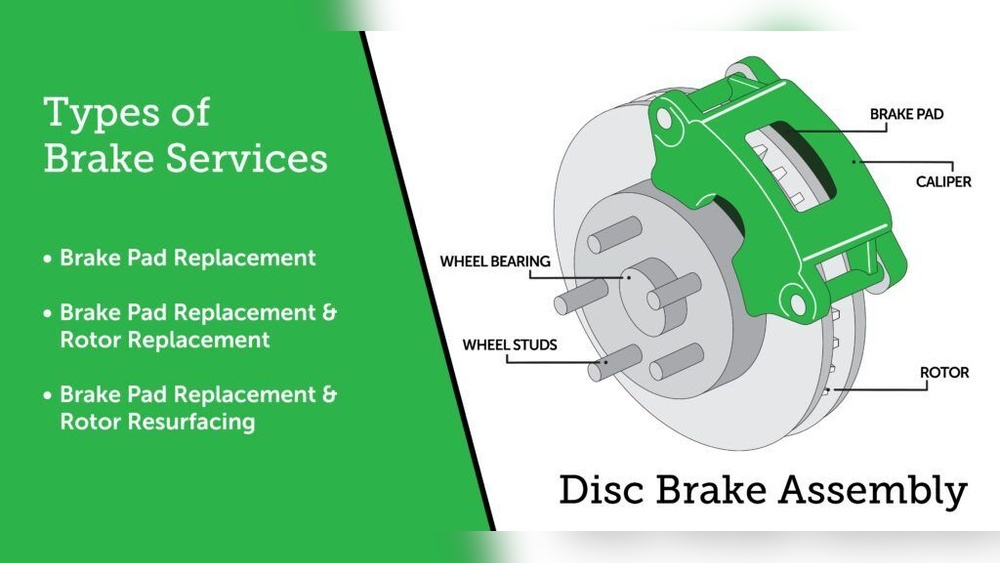
Do You Need to Replace Rotors When Replacing Brake Pads? Essential Guide
Are you about to replace your brake pads and wondering if you also need new rotors? This is a common question that can save you time, money, and keep your car running safely.
Understanding when and why to replace rotors along with brake pads can protect your brakes from damage and improve your driving experience. Keep reading to find out exactly what you need to do to get the best performance from your brakes.

Credit: www.youtube.com
Signs Your Rotors Need Replacing
Rotors are a vital part of your vehicle’s braking system. They work with brake pads to stop your car safely. Rotors wear down over time and need replacement. Knowing the signs helps keep your brakes effective and safe. Watch for these key signs to decide if your rotors need replacing.
Visible Wear And Damage
Check your rotors for grooves, cracks, or deep scratches. These marks mean the rotor surface is uneven. Rust or corrosion can also weaken rotors. If you see any of these issues, replacement is necessary. Worn rotors reduce braking power and increase stopping distance.
Brake Vibration And Noise
Feel vibrations through the brake pedal or steering wheel. This usually means rotors are warped or uneven. Listen for squealing or grinding sounds during braking. These noises signal rotor damage or worn brake pads. Ignoring vibrations and noise can lead to more damage.
Performance Issues
Notice if your car takes longer to stop. Reduced braking performance often points to rotor problems. Soft or spongy brakes can also indicate rotor wear. Uneven braking or pulling to one side suggests rotor issues. Replace rotors to restore safe and reliable braking.
Credit: www.calibeys.com
When Rotors Can Be Reused
Rotors can sometimes be reused when changing brake pads. This depends on their condition and thickness. Using good rotors saves money and effort. Knowing when rotors are okay helps make smart repair choices.
Thickness And Surface Condition
Check rotor thickness with a micrometer. Rotors must meet the minimum thickness set by makers. Thin rotors can cause poor braking and heat damage. Also, look at the rotor surface. Smooth, even surfaces mean rotors can stay. Deep grooves or cracks mean replacement is needed. Light scoring can be fixed by resurfacing the rotor.
Manufacturer Recommendations
Follow the vehicle maker’s advice on rotor reuse. They set safety and performance rules. Some rotors are designed for one-time use only. Others allow resurfacing and reuse. Always check the owner’s manual or service guide. This ensures you keep safe braking and avoid damage.
Risks Of Not Replacing Rotors
Not replacing rotors during a brake pad change can cause serious problems. Rotors wear down over time. This wear affects how well brakes work. Ignoring rotor condition risks your safety and vehicle performance.
Reduced Braking Efficiency
Worn rotors reduce the contact area with new brake pads. This lowers the friction needed to stop the car quickly. The result is longer stopping distances. It can be dangerous in emergencies. Shaking or vibration during braking may also occur. These signs show rotors are not smooth anymore. This reduces driver control on the road.
Increased Wear On New Pads
Old, damaged rotors cause uneven pad wear. Pads wear out faster and unevenly. This means you will replace pads more often. Uneven surfaces can cause noise and brake fade. Brake fade reduces braking power after repeated use. New pads cannot perform well on bad rotors. This leads to more frequent repairs and higher costs.

Credit: www.youtube.com
Tips For Choosing Quality Rotors
Choosing quality rotors improves braking performance and safety. Not all rotors are the same. Pick the right type to match your driving style and vehicle needs.
Focus on rotor material and brand reputation. These affect durability and how well the brakes work.
Material Types
Rotors come in different materials. Cast iron is common and affordable. It offers good heat resistance and durability.
Steel rotors are stronger but may weigh more. They can handle high stress better than cast iron.
Some rotors have special coatings. These help stop rust and reduce wear. Ceramic rotors are lighter and last longer but cost more.
Brand And Warranty Considerations
Choose rotors from trusted brands. Quality brands test their rotors for safety and performance.
Check the warranty. A good warranty shows confidence in the product. It protects you against early failure or defects.
Cheap, unknown brands may save money at first. They might wear out faster or cause noise and vibration.
Frequently Asked Questions
Do Brake Rotors Always Need Replacement With New Pads?
Not always. Rotors can last longer if they are smooth and within thickness limits. Check for wear or damage before deciding.
How To Know If Brake Rotors Need Replacing?
Look for deep grooves, cracks, or warping on the rotor surface. If you feel vibration when braking, rotors may need replacement.
Can Worn Rotors Damage New Brake Pads?
Yes. Old, rough rotors can wear out new pads quickly and reduce braking performance. Smooth rotors help pads last longer.
What Happens If Rotors Are Not Replaced With Brake Pads?
Ignoring rotor condition can cause noise, poor braking, and faster pad wear. This can lead to costly repairs and unsafe driving.
Conclusion
Replacing brake pads can improve your car’s stopping power quickly. Rotors wear out over time and affect brake performance. Worn or damaged rotors may cause noise, vibration, or uneven braking. New pads on bad rotors wear out faster and cause problems.
Checking rotor condition helps decide if replacement is needed. This keeps your brakes safe and working well longer. Taking time to inspect rotors saves money and stress later. Safe brakes protect you and your passengers on the road.