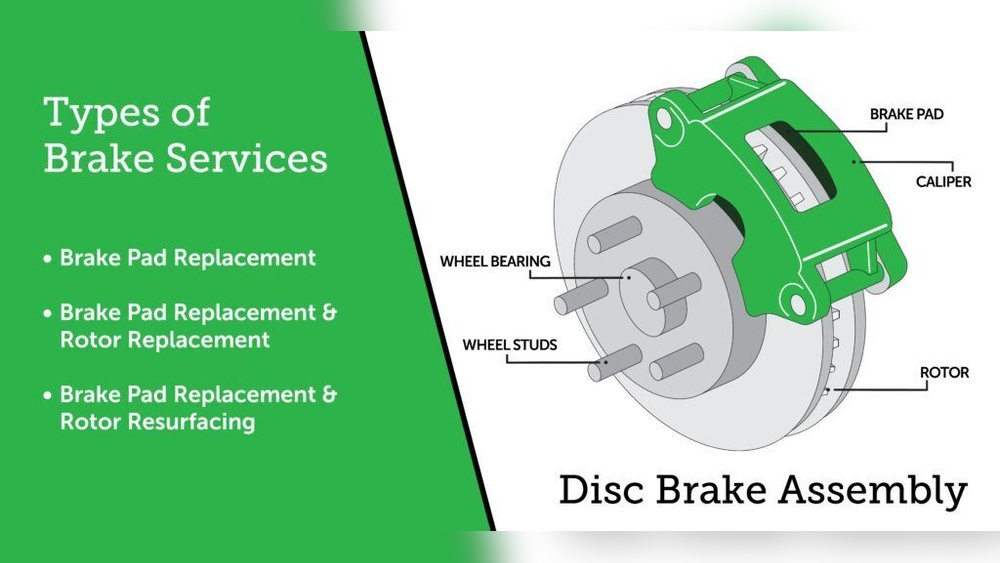
Do You Have to Change Rotors When Changing Brake Pads? Expert Tips
Are you wondering if you really need to change your rotors when you replace your brake pads? It’s a question many car owners face, and the answer can save you time, money, and even keep you safer on the road.
Your brakes are one of the most important parts of your vehicle, so knowing what to do during maintenance is crucial. Keep reading to find out when changing rotors is necessary—and when it’s okay to skip it. This simple knowledge could make a big difference in your next brake repair.
When To Replace Rotors
Knowing when to replace brake rotors is key to keeping your car safe. Rotors wear out over time and affect braking performance. Replacing brake pads alone is not always enough. Rotors need careful inspection to decide if they must be changed too.
Rotors that are too thin, damaged, or uneven can cause brake problems. This section explains signs of worn rotors, how to check rotor thickness, and what to look for on the rotor surface.
Signs Of Worn Rotors
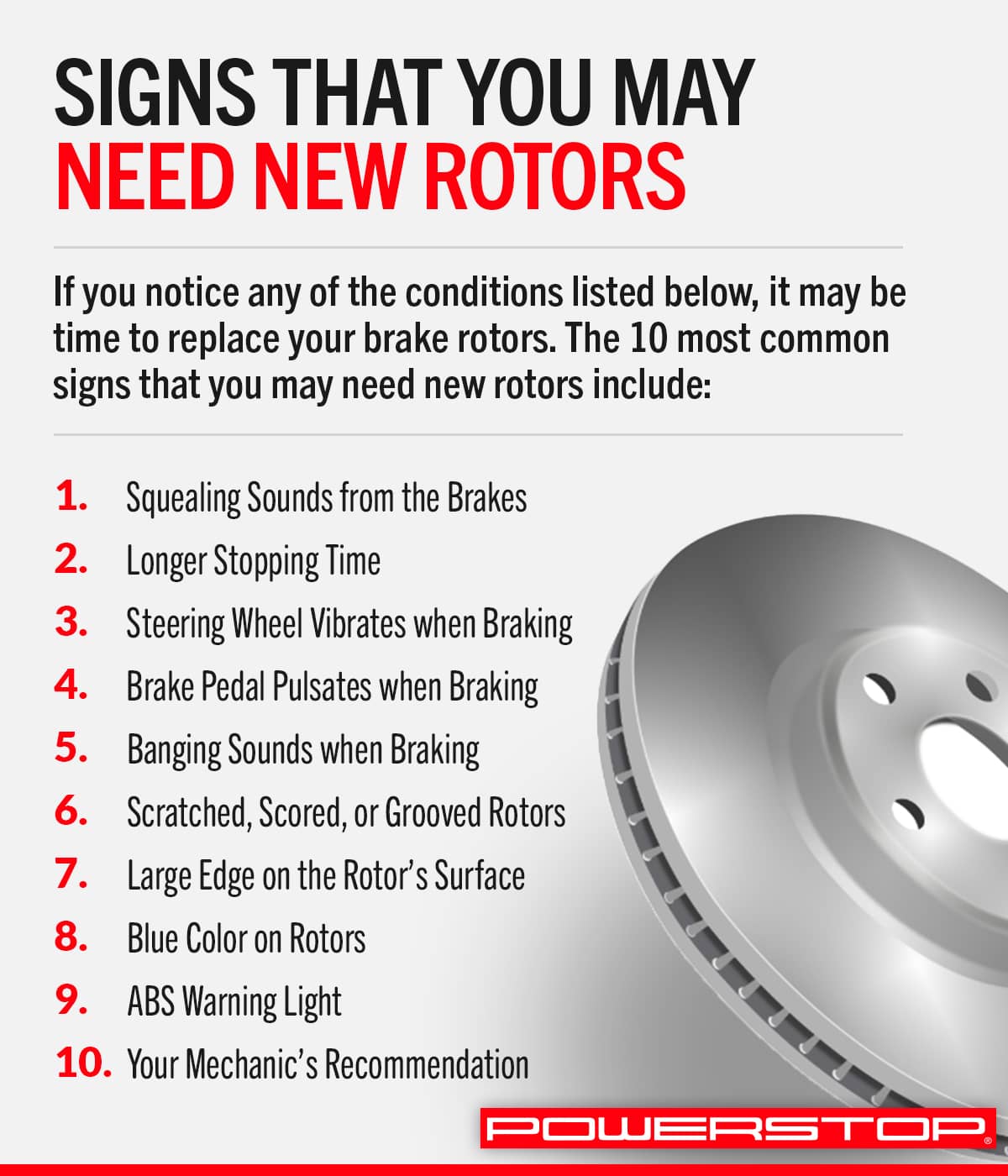
Listen for squealing or grinding noises when braking. Feel for vibrations or pulsations through the brake pedal. These symptoms may mean the rotors are worn or warped. Visual checks can reveal grooves, cracks, or rust on the rotor surface. Such damage reduces braking efficiency and safety.
Rotor Thickness And Safety
Rotors have a minimum thickness limit set by the manufacturer. Measure rotor thickness with a micrometer or caliper. If below the limit, rotors must be replaced. Thin rotors cannot absorb heat well and may crack or warp. This can lead to brake failure or longer stopping distances.
Rotor Surface Condition
Check the rotor surface for uneven wear, scoring, or deep grooves. Minor surface rust can be normal but heavy rust weakens the rotor. Deep grooves or ridges cause brake pad damage and poor stopping power. Resurfacing may fix minor issues, but severe damage means replacement is needed.

Credit: www.youtube.com
Matching Rotors To Brake Pads
Matching rotors to brake pads is important for safe and effective braking. Choosing the right combination helps the brakes work well and last longer. Brake pads and rotors must fit together properly to avoid problems like noise or uneven wear. This section explains key points about material compatibility and performance considerations.
Material Compatibility
Brake pads come in different materials like ceramic, semi-metallic, and organic. Rotors also vary in material and design. Using a ceramic pad with a rotor made for semi-metallic pads can cause poor braking. The pad and rotor materials must match to avoid damage. Some materials wear down faster if paired incorrectly. Always check the manufacturer’s recommendations for compatibility. Proper matching reduces noise and extends the life of both parts.
Performance Considerations
Performance depends on how well the rotor and pad work together. High-performance pads need rotors that can handle more heat. Standard rotors may warp or fade under heavy braking with performance pads. Rotors with cooling vents help keep temperatures down. For daily driving, standard rotors often work fine with most pads. For sporty driving, choose rotors designed for better heat dissipation. The right match ensures smooth braking and better control.
Cost And Labor Factors
Cost and labor play a big role in deciding whether to change rotors when replacing brake pads. Understanding these factors helps save money and time. It also guides you to make the right choice for your vehicle’s needs.
Cost Differences Between Pads And Rotors
Brake pads are usually cheaper than rotors. Pads cost less because they wear out faster and need frequent replacement. Rotors are thicker and made of metal, so they cost more. Buying new rotors can double or triple the price of just changing pads. Some rotors are standard, while others are high-performance, which raises the price. Many drivers skip rotor replacement to reduce costs, but worn rotors can lead to more expenses later.
Labor Time Implications
Changing brake pads alone takes less time than changing both pads and rotors. Pads usually take 30 to 60 minutes to replace. Adding rotor replacement can add another 30 to 60 minutes, depending on the car model. More labor time means higher labor costs. Mechanics charge by the hour, so longer jobs cost more. Sometimes, rotors need extra work like resurfacing, which adds time and labor costs. Knowing this helps plan your budget better before visiting the shop.
Credit: www.calibeys.com
Tips For Rotor Maintenance
Brake rotors play a key role in your car’s stopping power. Proper maintenance keeps them working well. It also helps you avoid costly repairs and ensures safety on the road.
Here are some simple tips to care for your rotors. These tips cover how to decide between resurfacing or replacing rotors. Plus, ways to make your rotors last longer.
Resurfacing Vs. Replacement
Rotors wear down over time. Sometimes they get grooves or uneven surfaces. Resurfacing smooths the rotor surface to fix these issues. It can extend rotor life if damage is minor.
Replacement is needed if rotors are too thin or cracked. Thin rotors can overheat and fail. Cracks are dangerous and require new rotors immediately. Always check rotor thickness before resurfacing.
Extending Rotor Life
Keep rotors clean and free from dirt or rust. Dirt can cause uneven wear. Rust weakens the rotor surface. Use brake cleaner and a soft brush to clean them.
Change brake pads regularly to avoid rotor damage. Worn pads can scratch rotors. Avoid hard braking to reduce heat and wear. Drive smoothly to help rotors last longer.
Credit: www.powerstop.com
Frequently Asked Questions
Do I Always Need To Change Rotors With Brake Pads?
Not always. Rotors should be changed if they are worn, warped, or damaged. New pads on bad rotors can cause poor braking.
How Do I Know If My Rotors Need Replacement?
Look for deep grooves, cracks, or uneven wear on rotors. Also, feel for vibration or noise when braking. These signs mean rotors may need replacing.
Can I Just Resurface Rotors Instead Of Replacing Them?
Resurfacing is possible if rotors are not too thin or damaged. It smooths the surface but doesn’t fix deep damage. Sometimes, replacement is safer.
Does Changing Rotors Improve Brake Performance?
New rotors help brake pads work better and last longer. They give smoother stopping power and reduce noise or vibration. This makes driving safer.
Conclusion
Changing brake pads does not always mean changing rotors. Rotors wear out slower than pads, but can get damaged. Check rotors for deep grooves, cracks, or warping. Smooth, even rotors help brakes work well and safely. A quick inspection saves money and avoids bigger problems.
Good brakes keep you safe on the road. Take care of both pads and rotors when needed. Your car will thank you with better stopping power.