Can You Put an Automatic Transmission in a Manual Car? Expert Guide
Have you ever wondered if you can swap out your manual transmission for an automatic one? If you’re tired of shifting gears yourself or just curious about how this change might work, you’re not alone.
But before you jump in, there are important things you need to know. Changing from a manual to an automatic isn’t as simple as it sounds. You’ll discover what’s involved, the challenges you might face, and whether it’s really worth the effort.
Keep reading to find out if putting an automatic transmission in your manual car is the right move for you.
Differences Between Manual And Automatic Transmissions
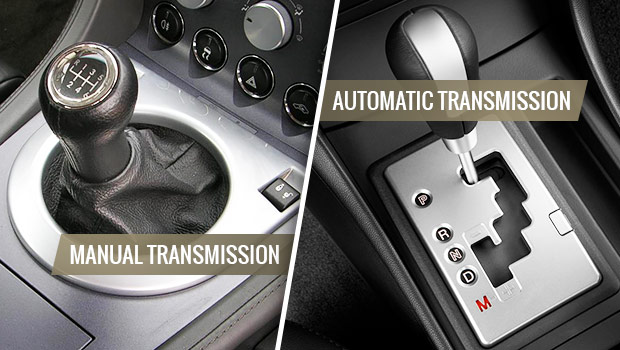
Manual and automatic transmissions control how power moves from the engine to the wheels. They do this in very different ways. Understanding these differences helps explain why swapping them is not simple.
Manual transmissions need the driver to change gears. Automatic transmissions shift gears on their own. Each system has unique parts and functions.
How Manual Transmissions Work
Manual cars use a clutch pedal and gear stick. The driver presses the clutch to disconnect the engine from the wheels. Then, the driver moves the gear stick to select the right gear. This process requires skill and timing.
How Automatic Transmissions Work
Automatic cars do not have a clutch pedal. The car shifts gears by itself using a complex system of sensors and hydraulics. This system decides the best time to change gears based on speed and engine load.
Key Mechanical Differences
Manual transmissions use a clutch plate and gear sets controlled by the driver. Automatics use a torque converter and planetary gear sets. These parts allow smooth, automatic shifting without driver input.
Driving Experience Differences
Manual driving feels more hands-on and requires more attention. Automatic driving is easier and more relaxed, especially in traffic. The two types offer different control and convenience levels.
Credit: www.sportscarmarket.com
Feasibility Of Swapping Transmissions
Swapping an automatic transmission into a car built for a manual one is a big job. It takes careful thought and planning. Many parts must work together perfectly after the swap.
This process is not just about changing the transmission. It also affects the engine, wiring, and controls. Each car model has unique challenges to face.
Compatibility Issues
Manual and automatic transmissions use different components. The bell housing, clutch, and torque converter differ greatly. These parts rarely fit each other without changes.
Engine and transmission mounts may not line up. Custom brackets might be needed. The driveshaft length can also change.
Electrical And Control Systems
Automatic transmissions rely on complex electronics. Sensors and control modules guide shifting. Manual cars lack these systems.
Adding an automatic transmission means adding wiring and computers. The car’s original wiring harness may need rewiring. Programming the new control module is often required.
Cost And Time Considerations
This swap can be costly. Parts, labor, and custom work add up quickly. The project can take weeks or months.
It is not a simple bolt-on job. Skilled mechanics and specific tools are necessary. Budget and patience must be planned carefully.
Steps To Convert A Manual Car To Automatic
Converting a manual car to an automatic is a detailed process. It requires careful planning and the right parts. The steps below explain how to do this change properly. Each step plays a key role in making the switch smooth and safe.
Remove The Manual Transmission System
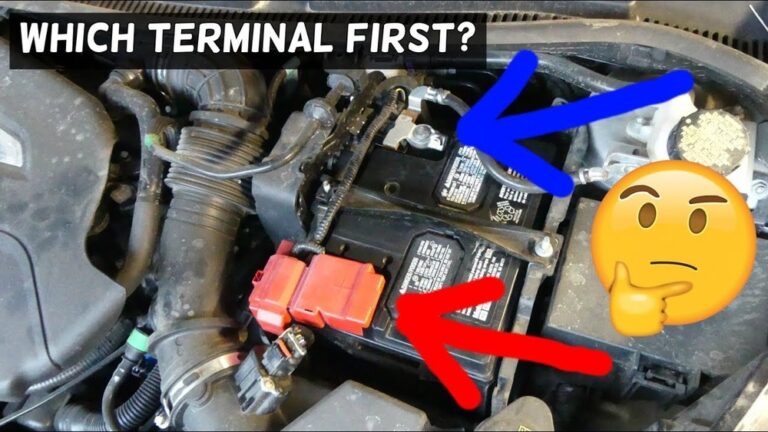
Start by lifting the car safely with a jack or lift. Disconnect the battery to avoid electrical problems. Remove the driveshaft and the manual transmission. Take out the clutch pedal and associated parts. Clear space for the automatic transmission installation.
Install The Automatic Transmission
Choose an automatic transmission that fits your car model. Attach the torque converter to the automatic transmission. Carefully install the new transmission into the car. Secure all bolts and mounts tightly. Connect the driveshaft back to the new transmission.
Replace The Pedal Assembly
Remove the clutch pedal from the pedal assembly. Install a brake pedal with a built-in switch for the automatic car. Make sure the gas pedal fits well with the new setup. Check all pedal movements for smooth operation.
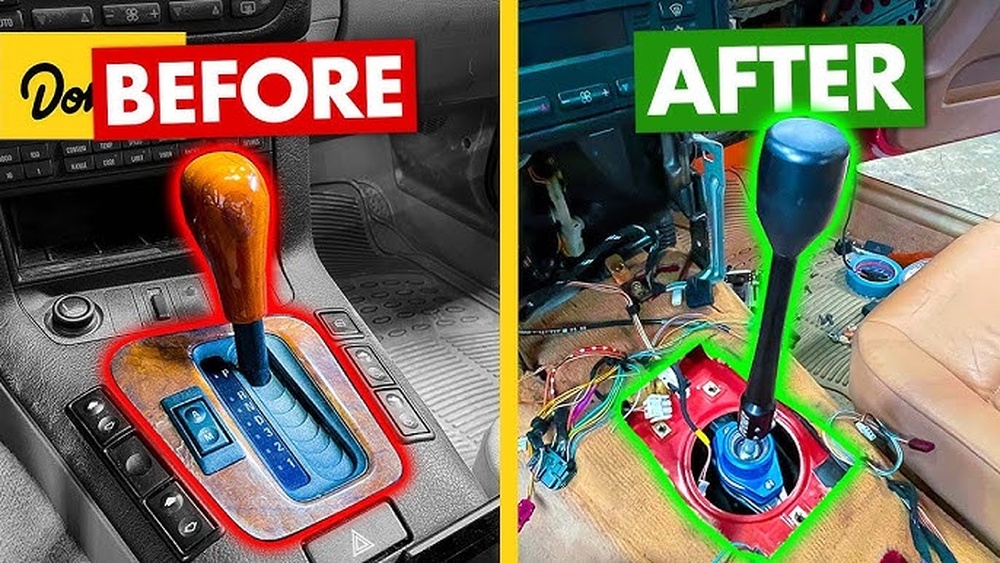
Modify The Gear Selector
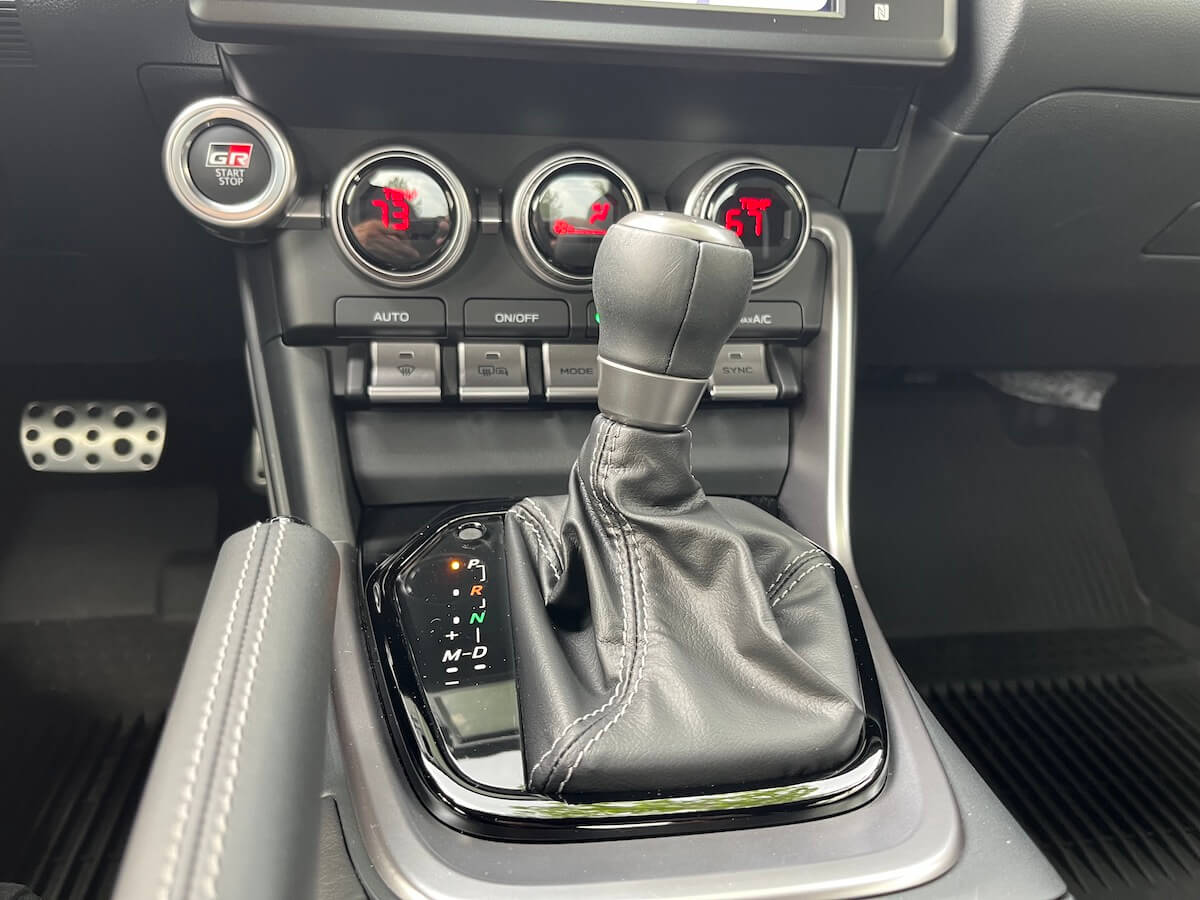
Install a gear selector suitable for automatic transmission. Connect the shift cables or linkage properly. Position the gear selector inside the car cabin. Test the selector to ensure it shifts through all gears.
Update The Vehicle’s Electrical System
Connect the transmission control module (TCM) to the car’s wiring. Modify or replace the engine control unit (ECU) if needed. Attach sensors required for the automatic transmission. Test all electrical parts for correct signals.
Fill Automatic Transmission Fluid
Use the correct automatic transmission fluid for your model. Fill the transmission to the recommended level. Check for leaks around the transmission housing. Run the engine and check fluid levels again.
Test Drive And Adjust
Start the car and check for unusual noises. Test all gear shifts during a short drive. Adjust the shift linkage if shifting feels rough. Monitor the transmission temperature and fluid levels. Make final adjustments for smooth driving.

Credit: www.youtube.com
Costs And Challenges To Consider
Switching from a manual to an automatic transmission in a car is not simple. It involves many costs and challenges. Knowing these can help you make a smart choice. This change affects many parts of your vehicle. It can be expensive and take a lot of time.
Costs Of Parts And Labor
Automatic transmissions cost more than manuals. You need a complete transmission system. This includes the transmission, torque converter, and control modules. Labor costs are also high. Mechanics must remove the manual parts and install new ones. The work can take several days. Expect to pay for both parts and skilled labor.
Compatibility Issues
Not all manual cars fit automatic parts easily. The engine and transmission must match perfectly. Some cars need extra parts like new driveshafts or mounts. Wiring and computer systems often need changes. These tweaks add to the cost and complexity. It’s not a simple swap.
Changes In Vehicle Performance
Automatic transmissions change how the car drives. Acceleration and fuel efficiency may differ. Some drivers find automatics less responsive. Others like the ease of use. These changes can affect your driving experience. Consider how this fits your needs.
Potential Legal And Insurance Concerns
Modifying your transmission might affect your car’s registration. Some states require inspections after big changes. Insurance premiums could change too. Tell your insurer about the swap. Not reporting modifications can cause issues later.
Credit: www.motorbiscuit.com
Frequently Asked Questions
Can You Convert A Manual Car To Automatic Transmission?
Yes, you can convert a manual car to automatic, but it is complex. It requires changing the transmission, clutch, and related parts. The process can be costly and time-consuming.
What Parts Are Needed For An Automatic Transmission Swap?
You need the automatic transmission, torque converter, transmission control module, and new wiring. The clutch and manual gear shifter are removed. Additional parts depend on the car model.
How Much Does It Cost To Install Automatic Transmission?
Costs vary widely, usually between $2,500 and $5,000 or more. Labor and parts make up most of the expense. It is often cheaper to buy a car with automatic already installed.
Will An Automatic Transmission Affect Car Performance?
Automatic transmissions change how the car shifts gears, often making driving easier. They may reduce fuel efficiency slightly compared to manuals. Driving feel and control may also differ.
Conclusion
Swapping an automatic transmission into a manual car is not simple. It needs many parts and careful work. You must check if your car can handle the change. Costs can be high, and results may vary. Think about why you want this switch.
Sometimes, buying a car with the transmission you want is easier. Take your time to research and ask experts. This helps avoid surprises and saves money. The choice depends on your needs and budget. Choose what fits you best.