How to Check Transmission Fluid on Manual Transmission: Easy Steps
If you want your manual transmission to run smoothly and last longer, checking the transmission fluid is a must. You might think it’s complicated or only for experts, but it’s easier than you expect.
Knowing how to check your transmission fluid yourself can save you time and money on repairs. Keep reading, and you’ll learn simple steps to keep your car shifting perfectly every time. Don’t wait until a problem shows up—take control of your vehicle’s health today.
Locate The Transmission Fluid Check Point
Start by finding the transmission fluid check point under the vehicle. It is usually a small plug or dipstick near the transmission. Checking this spot helps keep your manual transmission running smoothly.
Understanding The Transmission Fluid Check Point
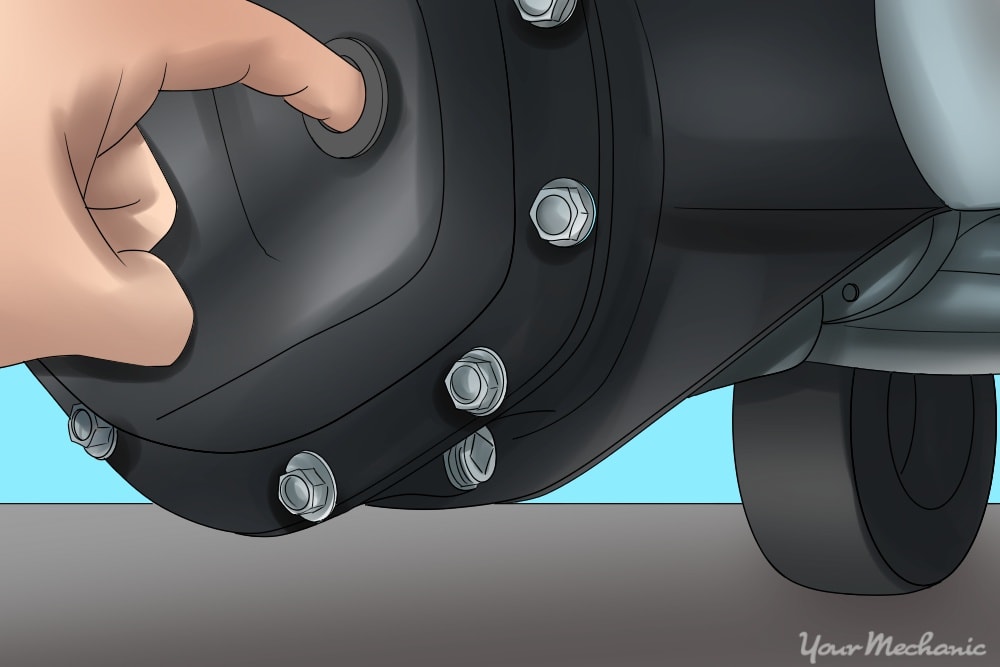
Finding the transmission fluid check point on a manual transmission is the first step. It helps you know where to look before checking fluid levels. This point is usually a small plug or bolt on the transmission case. It lets you access the fluid without removing the whole transmission.
Every vehicle has a different location for this check point. The position depends on the make and model of the car. Some are easy to see, while others may need a flashlight or a mirror to spot.
Common Places To Find The Check Point
The check point is often on the side or rear of the transmission. It can be near the bottom or middle of the case. Look for a bolt that is different from others, often with a square or hex head.
In some cars, it is located under the vehicle, near the driveshaft. In others, it might be behind the engine or near the clutch housing. This spot allows the fluid to fill or drain easily.
Tools To Help Locate The Check Point
A flashlight helps see hard-to-reach areas under the car. A mirror can show hidden spots around tight corners. Gloves protect your hands from dirt and sharp parts. A wrench or socket set is needed to open the plug carefully.
Always check the owner’s manual for exact locations. It gives clear instructions and diagrams. Manuals often explain the right tools and safety tips for the task.
Credit: www.yourmechanic.com
Gather Necessary Tools
Gathering the right tools is the first step to check your manual transmission fluid. Having everything ready makes the process easier and faster. This way, you avoid interruptions and stay safe while working on your vehicle.
Each tool has a specific role. Some help you open parts of the transmission. Others help you measure the fluid level or clean up spills. Knowing these tools beforehand prepares you for the task.
Transmission Fluid Dipstick
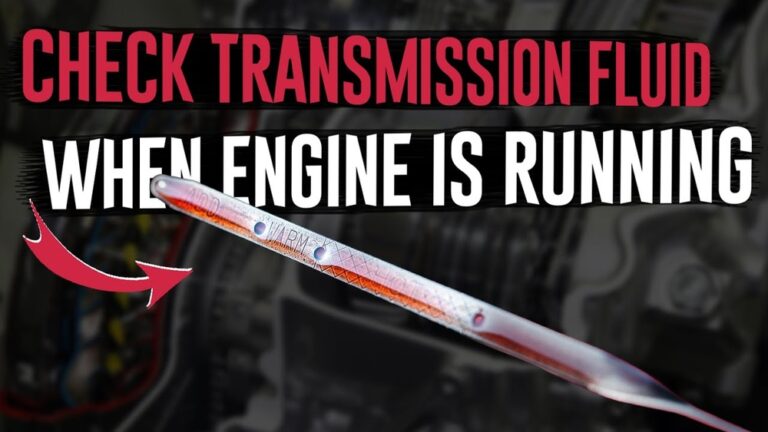
Some manual transmissions have a dipstick to check the fluid. This tool looks like a long stick with markings. It shows the fluid level and condition. Not all cars have this, so check your owner’s manual first.
Wrench Or Socket Set
A wrench or socket set helps open the fill plug or drain plug. These plugs are usually on the transmission case. Using the right size prevents damage to the plugs. Choose a tool that fits snugly to avoid slipping.
Clean Rag Or Paper Towels
Keep a clean rag or paper towels handy. Use them to wipe the dipstick or clean any spilled fluid. Clean tools and hands prevent dirt from entering the transmission. This helps maintain the fluid’s quality.
Flashlight
A flashlight helps you see under the car or in dark engine bays. Proper lighting ensures you find the right plugs and check fluid clearly. Use a small, bright flashlight for the best view.
Gloves
Wear gloves to protect your hands from dirt and hot surfaces. Transmission fluid can be hot or harmful to skin. Gloves keep your hands clean and safe during the check.
Step-by-step Fluid Check Process
Checking the transmission fluid in a manual transmission helps keep your car running smoothly. It ensures the gears shift properly and prevents damage. The process is simple and takes just a few minutes.
This guide breaks down the steps clearly. Follow them carefully for an accurate fluid check.
Locate The Transmission Fluid Fill Plug
First, find the fill plug on your transmission case. It is usually on the side of the transmission. Use your car manual to find the exact spot.
Make sure the car is on a flat surface before starting.
Clean The Area Around The Fill Plug
Wipe dirt and debris away from the fill plug. This prevents dirt from entering the transmission during the check. Use a clean cloth or rag for this.
Remove The Fill Plug Carefully
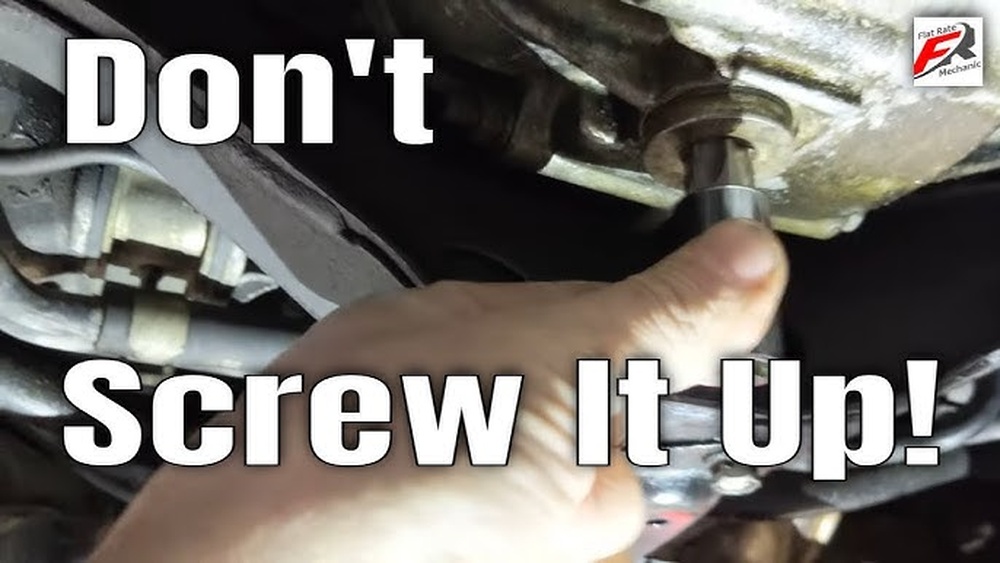
Use the correct size wrench or socket to remove the plug. Turn it counterclockwise. Do this slowly to avoid stripping the plug or hurting yourself.
Check The Fluid Level And Condition
The fluid should be near the bottom of the fill hole. If it is low, more fluid is needed. Look at the fluid color too.
Good fluid is clear or light amber. Dark or dirty fluid means it should be changed.
Add Fluid If Necessary
Use the recommended transmission fluid for your car. Slowly pour it into the fill hole using a funnel. Add small amounts and check the level often.
Replace And Tighten The Fill Plug
Put the fill plug back in place. Tighten it securely but do not over-tighten. This keeps the fluid sealed inside and prevents leaks.
Credit: www.autoweb.com
Interpreting Fluid Condition And Levels
Checking transmission fluid levels shows if your manual transmission works well. Clear, clean fluid means good condition. Dark or dirty fluid signals a need for change or repair.
Understanding Transmission Fluid Color
Transmission fluid color reveals its condition. Bright red fluid means it is fresh and clean. Dark brown or black fluid signals old fluid or possible damage. Cloudy or milky fluid shows water contamination. Clear fluid is a sign of leaks or dilution. Pay close attention to the fluid’s color during checks.
Checking Fluid Level Accuracy
Correct fluid level keeps the transmission running smoothly. Too low fluid causes hard shifting or slipping gears. Too much fluid leads to foaming and poor lubrication. Use the dipstick or fill plug to check levels. Make sure the vehicle is on level ground for accuracy.
Smelling The Fluid For Signs Of Trouble
Transmission fluid has a distinct, slightly sweet smell. Burnt or strong odors indicate overheating or worn parts. A burnt smell means the fluid needs changing immediately. Trust your nose; it can detect early problems that visuals miss.

Credit: www.youtube.com
Frequently Asked Questions
How Often Should I Check Manual Transmission Fluid?
Check manual transmission fluid every 30,000 to 60,000 miles. Regular checks help prevent damage and keep shifting smooth.
Where Is The Transmission Fluid Dipstick On Manual Cars?
Most manual cars do not have a dipstick for transmission fluid. You usually check fluid by removing a fill plug on the transmission case.
What Color Should Manual Transmission Fluid Be?
Manual transmission fluid is usually clear, pink, or red. Dark or dirty fluid means it needs changing.
Can Low Transmission Fluid Cause Shifting Problems?
Yes, low transmission fluid can cause hard or noisy shifting. It reduces lubrication, which can damage gears over time.
Conclusion
Checking your manual transmission fluid helps keep your car running smoothly. It prevents damage and costly repairs. Regular checks catch problems early. Make it part of your car care routine. Knowing how to check fluid saves time and money. Stay safe on the road with proper maintenance.
It’s simple and worth the effort. Keep an eye on your transmission fluid often. Your car will thank you for the care.