Is Brake Fluid And Power Steering Fluid the Same Thing? Find Out Now!
Have you ever wondered if brake fluid and power steering fluid are the same thing? It’s a common question that many drivers ask, especially when it comes to maintaining your car.
Knowing the difference can save you from costly repairs and keep your vehicle running smoothly. You’ll discover what sets these two fluids apart and why using the right one matters for your safety and your car’s performance. Keep reading to find out everything you need to know.

Credit: www.dubizzle.com
Differences Between Brake Fluid And Power Steering Fluid
Brake fluid and power steering fluid serve different purposes in a vehicle. Brake fluid helps stop the car, while power steering fluid makes steering easier. Mixing them can cause damage.
Purpose And Function
Brake fluid and power steering fluid serve different jobs in a car. Brake fluid helps stop the vehicle by transferring pressure from the brake pedal to the brake parts. Power steering fluid helps turn the steering wheel smoothly. It moves power from the steering system to the wheels.
Chemical Composition
Brake fluid is usually glycol-based or silicone-based. It resists high heat from braking. Power steering fluid is often mineral oil or synthetic oil. It needs to lubricate and protect the steering parts.
Viscosity And Performance
Brake fluid is thinner and handles high temperatures well. Power steering fluid is thicker to provide good lubrication. Each fluid works best in its own system’s conditions.
Maintenance And Replacement
Brake fluid needs regular checks to prevent moisture buildup. Moisture can cause brake failure. Power steering fluid lasts longer but should be checked for leaks. Old fluid can cause steering problems.

Credit: www.youtube.com
Types And Composition Of Each Fluid
Brake fluid and power steering fluid look similar but are very different. Each type of fluid has its own makeup. Knowing these differences helps keep your car safe and running well.
Brake fluid is designed to work under high pressure and heat. It must not compress, so it can push the brake pads quickly. Power steering fluid helps you steer smoothly. It lubricates and moves parts in the steering system.
Brake Fluid Types And Composition
Most brake fluids are glycol-based or silicone-based. Glycol-based fluids absorb moisture, which can lower boiling points over time. Silicone-based fluids resist moisture but are less common. Both types contain additives to prevent corrosion and wear. These fluids must meet strict standards for safety and performance.
Power Steering Fluid Types And Composition
Power steering fluids are usually mineral oil or synthetic oil based. They contain additives to reduce friction and protect seals. Some cars use automatic transmission fluid (ATF) as power steering fluid. These fluids have lower boiling points than brake fluid. They are designed for lubrication, not pressure transfer.
Signs Of Fluid Problems In Brakes And Power Steering
Brake fluid and power steering fluid serve different purposes, so their problems show distinct signs. Soft brakes or a spongy pedal often mean brake fluid issues. Difficulty turning the wheel or whining noises point to power steering fluid trouble.
Fluids keep your brakes and power steering working well. Problems with these fluids can cause serious safety issues. Knowing the signs helps you act fast. Early detection avoids costly repairs and keeps you safe on the road.
Brake fluid and power steering fluid leaks or issues show different signs. Recognizing these signs helps identify which system needs attention.
Warning Signs Of Brake Fluid Problems
Brake fluid leaks often cause a soft or spongy brake pedal. The pedal might go down too far when pressed. You may also notice the brakes feel less responsive. A burning smell near the wheels can mean overheated brakes or fluid leaks. Look under your car for puddles of clear or yellowish fluid. Low brake fluid level in the reservoir is another clear warning.
Warning Signs Of Power Steering Fluid Problems
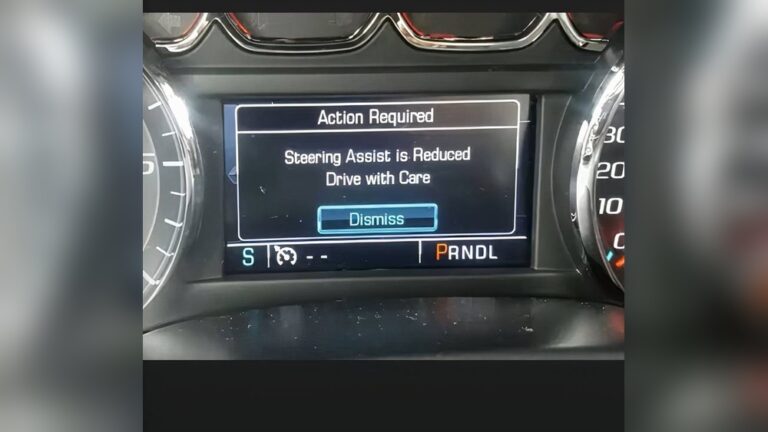
Power steering fluid issues can make steering hard or stiff. You might hear whining or groaning sounds when turning the wheel. The steering wheel may feel jerky or slow to respond. Fluid leaks often appear as a reddish or amber puddle under the front of the car. Check the power steering fluid reservoir for low fluid levels. Watch for sudden changes in steering performance.
Credit: www.cbsrepair.net
How To Choose And Replace The Right Fluid
Choosing and replacing the right fluid for your vehicle is important. Using the wrong fluid can damage your car’s systems. Brake fluid and power steering fluid serve different purposes. Each fluid has a unique formula designed for specific parts.
Understanding how to identify the correct fluid helps keep your car safe and working well. Follow simple steps to check, choose, and replace fluids properly. This guide explains what to do for both brake fluid and power steering fluid.
Identify The Correct Fluid Type
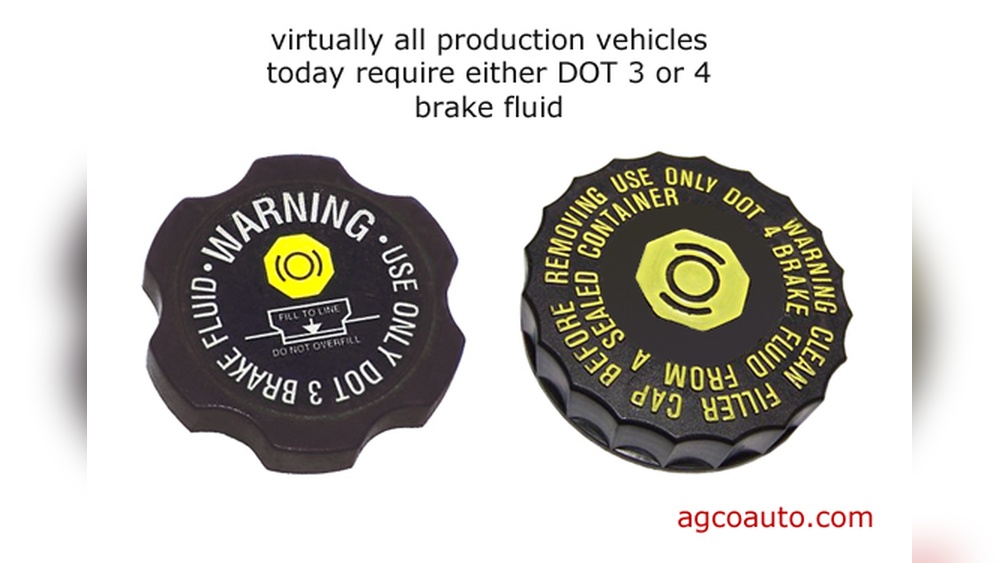
Check your vehicle’s owner manual first. The manual lists the exact fluid type you need. Brake fluid types include DOT 3, DOT 4, and DOT 5.1. Power steering fluid can vary widely. Some cars use automatic transmission fluid instead.
Use only the fluid type specified. Mixing fluids can cause leaks or system failure. Never guess the fluid based on color alone.
Gather The Right Tools And Materials
Prepare a clean container to catch old fluid. Use gloves to protect your hands. Have a turkey baster or fluid pump ready. You will also need new fluid and rags for cleanup.
Make sure to work in a well-ventilated area. Brake fluid is toxic and power steering fluid can smell strong.
Drain And Replace The Fluid Carefully
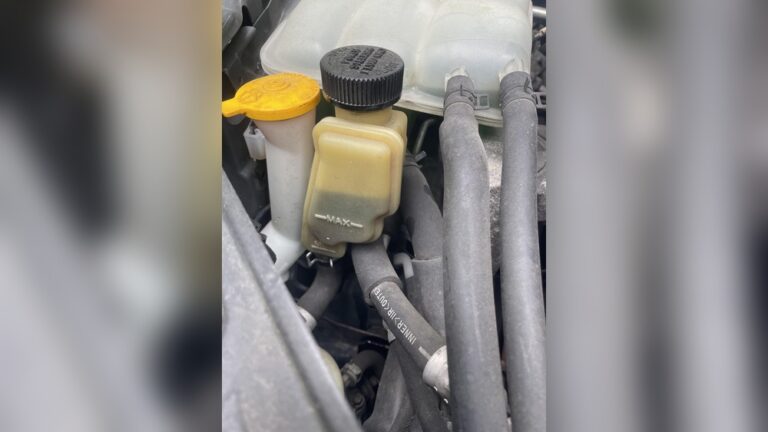
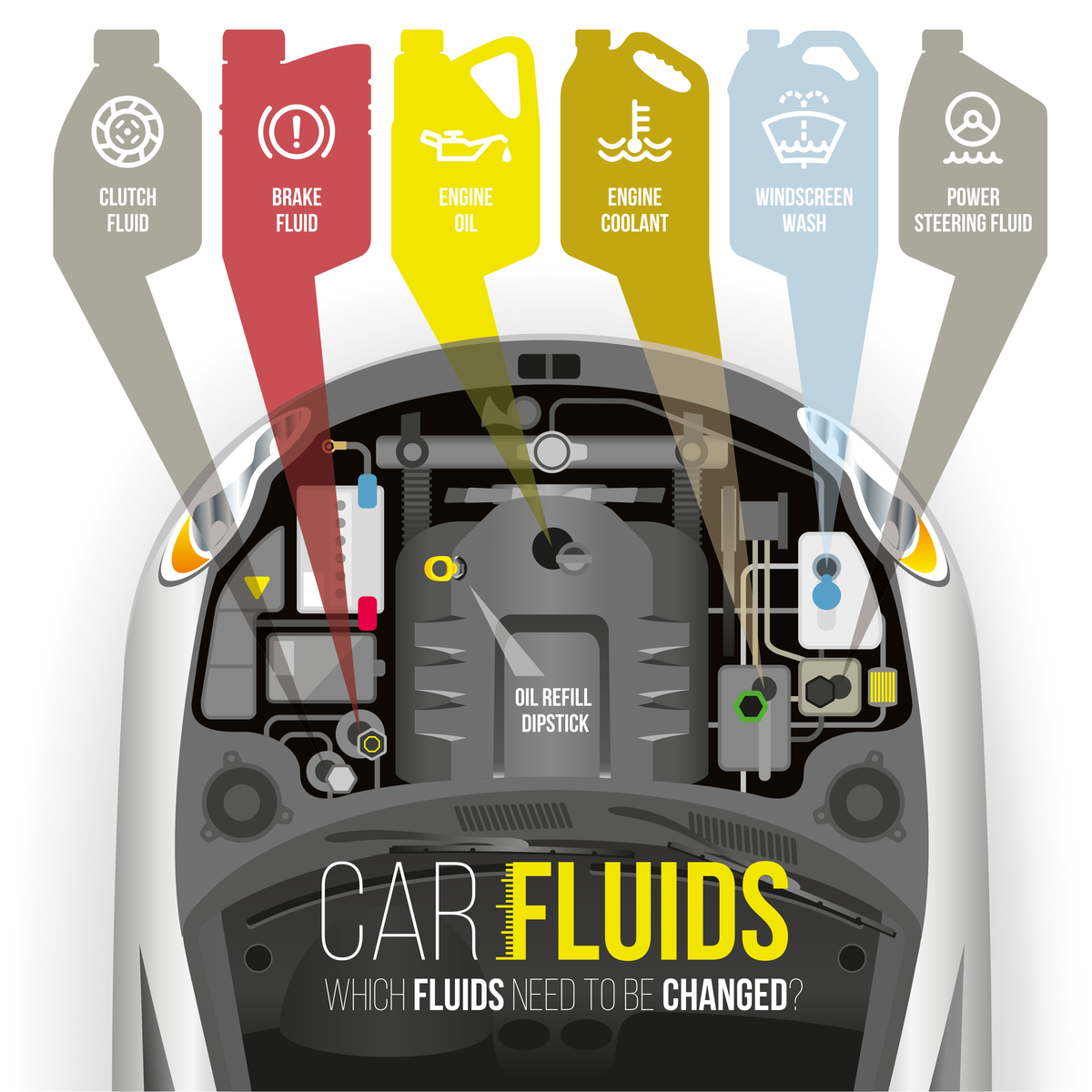
Locate the fluid reservoirs under the hood. Brake fluid reservoir is usually near the firewall. Power steering fluid reservoir sits near the engine.
Remove the cap slowly to avoid spills. Use the pump or baster to remove old fluid. Refill with fresh fluid up to the recommended level.
Do not overfill. After refilling, check for leaks. Test your brakes and steering to ensure proper function.
Frequently Asked Questions
What Is The Main Difference Between Brake Fluid And Power Steering Fluid?
Brake fluid is designed to transfer force in the braking system, while power steering fluid helps turn the steering wheel smoothly. They have different chemical properties and uses.
Can Brake Fluid Be Used In Power Steering Systems?
No, brake fluid should never be used in power steering systems. Using the wrong fluid can damage the steering pump and hoses.
Why Do Brake Fluid And Power Steering Fluid Have Different Colors?
Brake fluid is usually clear or amber, while power steering fluid is often red or green. The colors help identify the fluids and their specific uses.
How Often Should Brake Fluid And Power Steering Fluid Be Changed?
Brake fluid should be changed every 2 years or 30,000 miles. Power steering fluid varies but is often changed every 3 years or 50,000 miles. Always check your vehicle’s manual.
Conclusion
Brake fluid and power steering fluid are not the same. Each fluid has a special job in your car. Brake fluid helps stop the car safely. Power steering fluid helps you turn the wheel easily. Using the wrong fluid can cause big problems.
Always check your car’s manual to know which fluid to use. Keep fluids clean and at the right level. This keeps your car working well and safe to drive. Simple care helps avoid costly repairs. Remember, each fluid matters for different parts of your car.