Is Transmission Oil the Same As Transmission Fluid? Key Differences Explained
When it comes to taking care of your vehicle’s transmission, you might wonder: is transmission oil the same as transmission fluid? It’s a common question, but the answer is more important than you might think.
Using the wrong product can seriously damage your transmission and cost you a fortune in repairs. You’ll discover the key differences between transmission oil and transmission fluid, why they’re not interchangeable, and how to choose the right one for your car.
Keep reading to protect your vehicle and keep it running smoothly for miles to come.
Credit: www.gulfoilltd.com
Transmission Fluid Basics
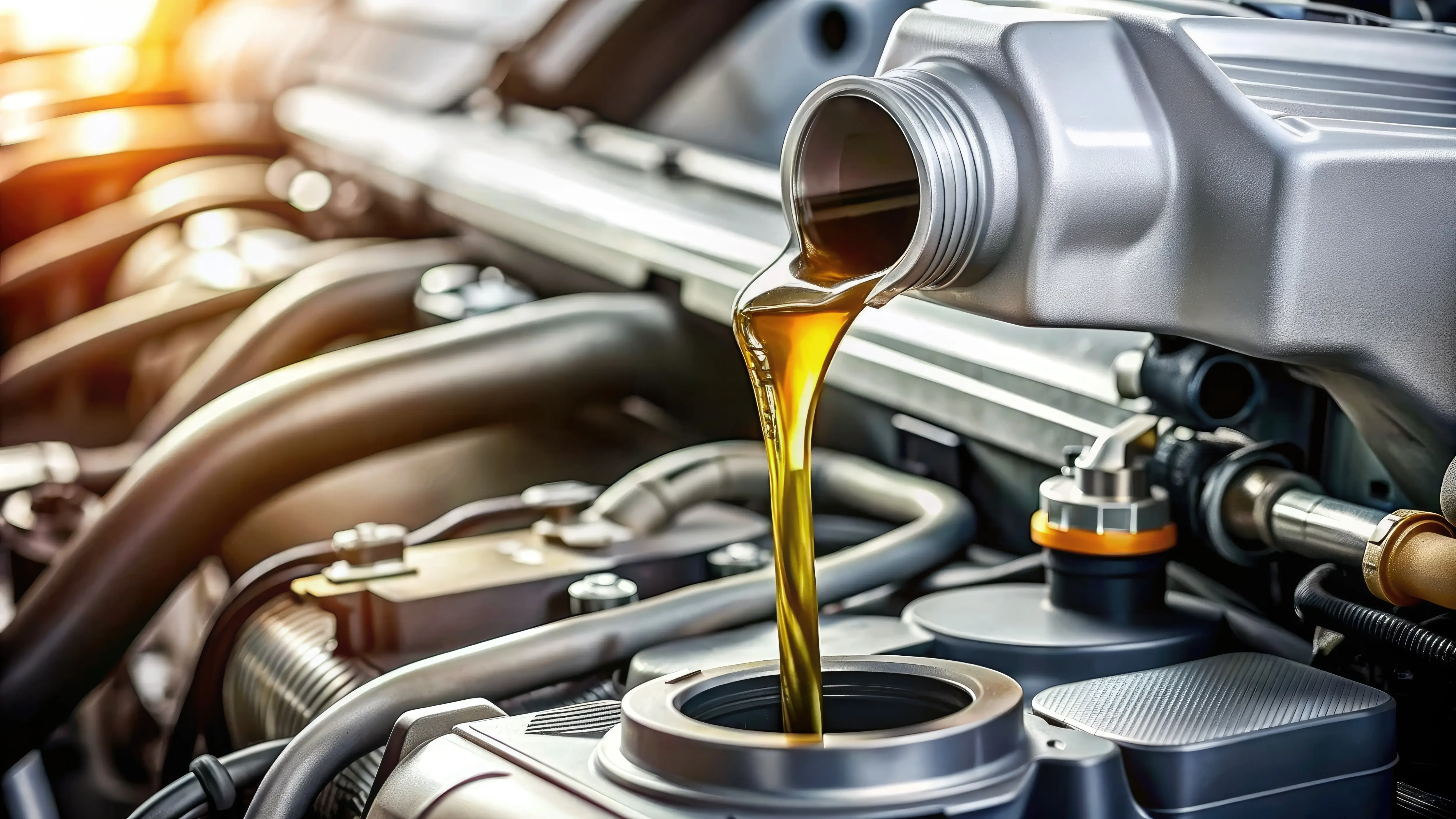
Transmission fluid plays a vital role in your vehicle’s transmission system. It lubricates moving parts and helps transfer power smoothly. Without proper fluid, transmissions can overheat and fail.
Understanding the types and purposes of transmission fluid can prevent costly repairs. It is important to know that transmission fluid and transmission oil are not always the same.
What Is Transmission Fluid?
Transmission fluid is a special liquid used mostly in automatic transmissions. It is thin and slippery to flow easily through small passages. This fluid transfers power from the engine to the wheels.
It also cools the transmission parts and helps keep them clean. Without it, gears and clutches would wear out quickly.
Types Of Transmission Fluids
Automatic Transmission Fluid (ATF) is common in most cars with automatic transmissions. It contains additives to reduce friction and prevent corrosion.
Manual transmissions usually use thicker transmission oil, often called gear oil. This oil protects the metal gears from heavy pressure and wear.
Why Transmission Fluid And Transmission Oil Differ
Transmission fluid is thinner and works with hydraulic systems in automatic transmissions. Transmission oil is thicker and designed for manual gear protection.
Using the wrong type can cause damage and poor shifting performance. Always check your vehicle’s manual for the right fluid type.
Credit: carfromjapan.com
Manual Transmission Oil
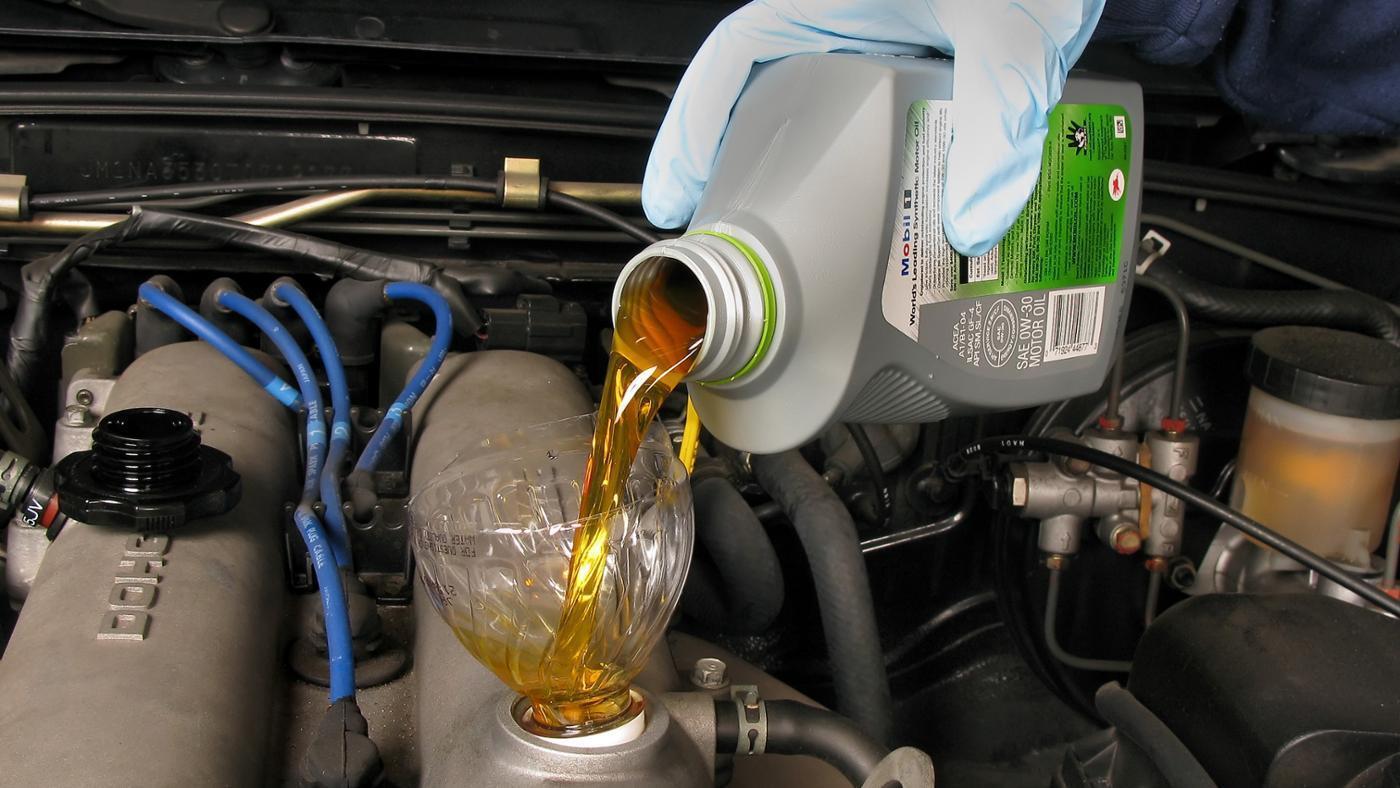
Manual transmission oil, often called gear oil, differs from automatic transmission fluid. It is thicker and designed to protect gears in manual transmissions. Its main role is to reduce wear and handle high pressure between metal parts.
This oil works under harsh conditions, such as heavy loads and heat. It keeps the gears running smoothly and prevents damage. Using the right manual transmission oil extends the life of your transmission.
What Is Manual Transmission Oil?
Manual transmission oil is a special lubricant for manual gearboxes. It is thicker than automatic transmission fluid. This thickness helps it stay between tight gear teeth and protect them.
It often contains additives that reduce metal wear and prevent rust. These additives also help the oil handle high temperatures and heavy loads.
Why Manual Transmission Oil Is Different
Manual transmissions have metal gears that mesh directly. This causes more friction and pressure than automatic systems. Manual transmission oil is made to handle this extra stress.
Automatic transmission fluid is thinner and designed for hydraulic systems. Using automatic fluid in a manual transmission can cause poor lubrication and damage.
How To Choose The Right Manual Transmission Oil
Check your vehicle’s owner manual for the correct oil type and viscosity. Different cars need different gear oils. Some require synthetic oils, while others use mineral-based oils.
Using the wrong oil can lead to gear noise, wear, and transmission failure. Always use the recommended oil to ensure smooth shifting and long transmission life.
Automatic Transmission Fluid
Automatic Transmission Fluid (ATF) plays a crucial role in vehicles with automatic transmissions. It acts as a lubricant, coolant, and hydraulic fluid all in one. This fluid ensures the transmission shifts smoothly and operates efficiently.
ATF is specially formulated to handle the unique needs of automatic transmissions. It has a thin consistency that helps it flow quickly through the system. This fast flow is necessary for proper hydraulic pressure and quick gear changes.
Composition Of Automatic Transmission Fluid
ATF contains base oils mixed with additives. These additives reduce friction, prevent corrosion, and improve heat resistance. Friction modifiers help clutches engage smoothly without slipping. Anti-wear agents protect metal parts from damage.
Functions Of Automatic Transmission Fluid
ATF lubricates moving parts inside the transmission. It cools the system by carrying heat away from gears and clutches. It also transmits hydraulic pressure needed for gear shifts. Without ATF, the transmission would overheat and fail.
Why Atf Differs From Transmission Oil
Transmission oil is thicker and used mainly in manual gearboxes. ATF is thinner and designed for automatic transmissions’ hydraulic systems. Using the wrong fluid type can cause poor performance and damage. Always use the type recommended by the vehicle manufacturer.
Differences In Composition And Function
Transmission oil and transmission fluid are not the same. Both lubricate the transmission, but their makeup and uses differ. Using the wrong type can harm your vehicle’s transmission.
The difference lies mainly in their composition and function within the transmission system. Each serves a unique role based on the transmission type.
Automatic Transmission Fluid (atf)
Automatic transmission fluid is a thin, red or green liquid. It acts as a hydraulic fluid, helping shift gears smoothly. It also cools and lubricates the transmission parts.
ATF contains additives like friction modifiers and detergents. These keep the transmission clean and protect it from wear.
Manual transmission oil is thicker and often called gear oil. It has a higher viscosity to protect metal gears under high pressure.
This oil prevents wear and damage during gear changes. It also helps reduce friction and heat in manual transmissions.
Key Functional Differences
ATF supports hydraulic systems inside automatic transmissions. It transfers power and controls shifting mechanisms.
Manual transmission oil focuses on protecting gears from heavy loads. It does not need to work as a hydraulic fluid.
Each fluid is specially designed for its transmission type. Using the correct one ensures better performance and longer transmission life.
Choosing The Right Fluid For Your Vehicle
Choosing the correct transmission fluid is crucial for your vehicle’s health. The right fluid ensures smooth gear shifts and extends transmission life. Using the wrong fluid can lead to costly repairs and poor performance.
Different vehicles require specific types of transmission fluid. Automatic and manual transmissions use fluids with different properties. Understanding these differences helps avoid damage and keeps your vehicle running well.
Check Your Owner’s Manual
Your vehicle’s owner manual provides the exact fluid type needed. It lists specifications, including fluid viscosity and additives. Follow these guidelines strictly for best results. Never substitute fluids without confirming compatibility first.
Automatic Transmission Fluid (atf)
ATF is a thin, red or green fluid. It lubricates, cools, and helps the transmission shift smoothly. It contains special additives to reduce wear and friction. Only use ATF in automatic transmissions unless the manual says otherwise.
Manual transmissions use thicker, gear-specific oil. This oil protects metal gears under high pressure. It has different additives to handle extreme conditions. Using ATF in manual transmissions can cause damage.
Special Fluids For Cvt And Dual-clutch Transmissions
Continuously Variable Transmissions (CVT) and dual-clutch systems need unique fluids. These fluids are formulated for specific clutch materials and pulley systems. Always use the fluid type recommended by the manufacturer.
Signs Of Using The Wrong Fluid
Wrong fluid can cause slipping, rough shifts, or overheating. You might notice strange noises or poor acceleration. Early detection prevents serious transmission damage. Change the fluid immediately if you suspect a mistake.

Credit: shieldoils.com
Frequently Asked Questions
How To Check Transmission Fluid On Buick Lucerne?
Park the Buick Lucerne on level ground and keep the engine warm. Locate the transmission dipstick under the hood. Pull it out, wipe clean, reinsert fully, then remove again. Check fluid level and color; it should be pinkish and between the marks.
Add fluid if low.
What Transmission Fluid For 4l80e?
Use Dexron VI or compatible automatic transmission fluid (ATF) for the 4L80E transmission. Always check your owner’s manual.
Can Low Transmission Fluid Cause Stuttering?
Yes, low transmission fluid can cause stuttering by disrupting smooth gear shifts and hydraulic pressure. Check fluid levels regularly to avoid issues.
What Kind Of Transmission Fluid Do I Need For A 2013 Nissan Rogue?
Use Nissan Matic S CVT fluid for the 2013 Nissan Rogue’s continuously variable transmission. Always check the owner’s manual to confirm.
Conclusion
Transmission oil and transmission fluid are not the same. Each serves a unique purpose in your vehicle’s transmission system. Using the wrong one can cause serious damage and costly repairs. Always follow your vehicle’s manual to choose the correct fluid type.
Proper maintenance helps your transmission run smoothly and last longer. Understanding the difference keeps your car safe and reliable on the road.