Should You Get an Alignment After Replacing Cv Axle? Essential Tips
Replacing your CV axle is a big step toward fixing your car’s performance and safety. But once that’s done, you might wonder: should you get an alignment too?
The answer isn’t always obvious, yet it can make a huge difference in how your vehicle drives and how long your new parts last. You’ll discover why an alignment could be crucial after a CV axle replacement, how it affects your car’s handling, and what risks you might avoid by taking this extra step.
Keep reading to find out what you really need to do to keep your car running smoothly and safely.

Credit: www.reddit.com
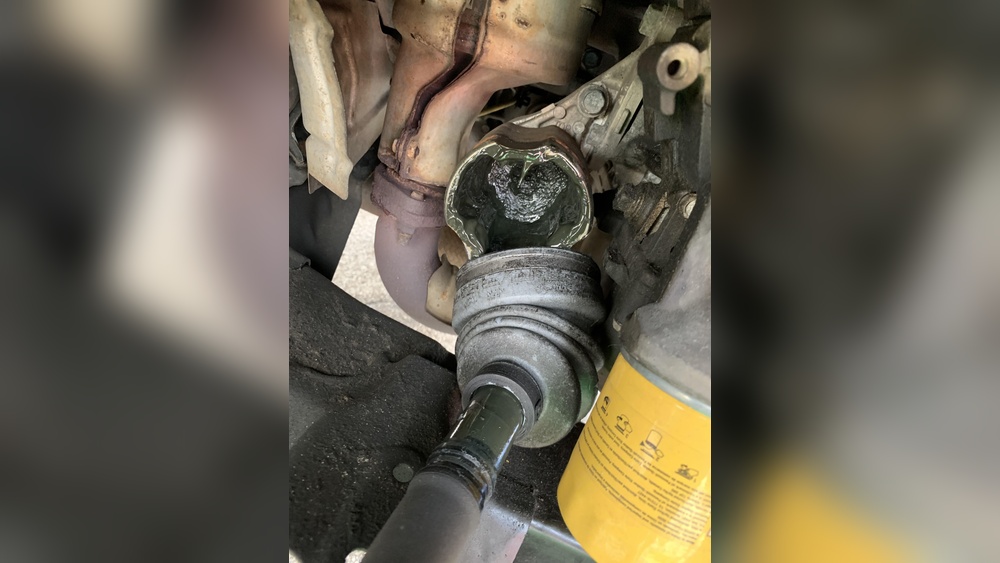
What A Cv Axle Replacement Involves
Replacing a CV axle means removing the old part and installing a new one to connect the wheels and transmission. This process helps restore smooth power transfer to the wheels. Checking wheel alignment after replacement ensures your car drives straight and tires wear evenly.
Replacing a CV axle is a common car repair that restores smooth wheel movement. The CV axle transfers power from the engine to the wheels. When it wears out or breaks, it causes clicking noises and vibration during driving.
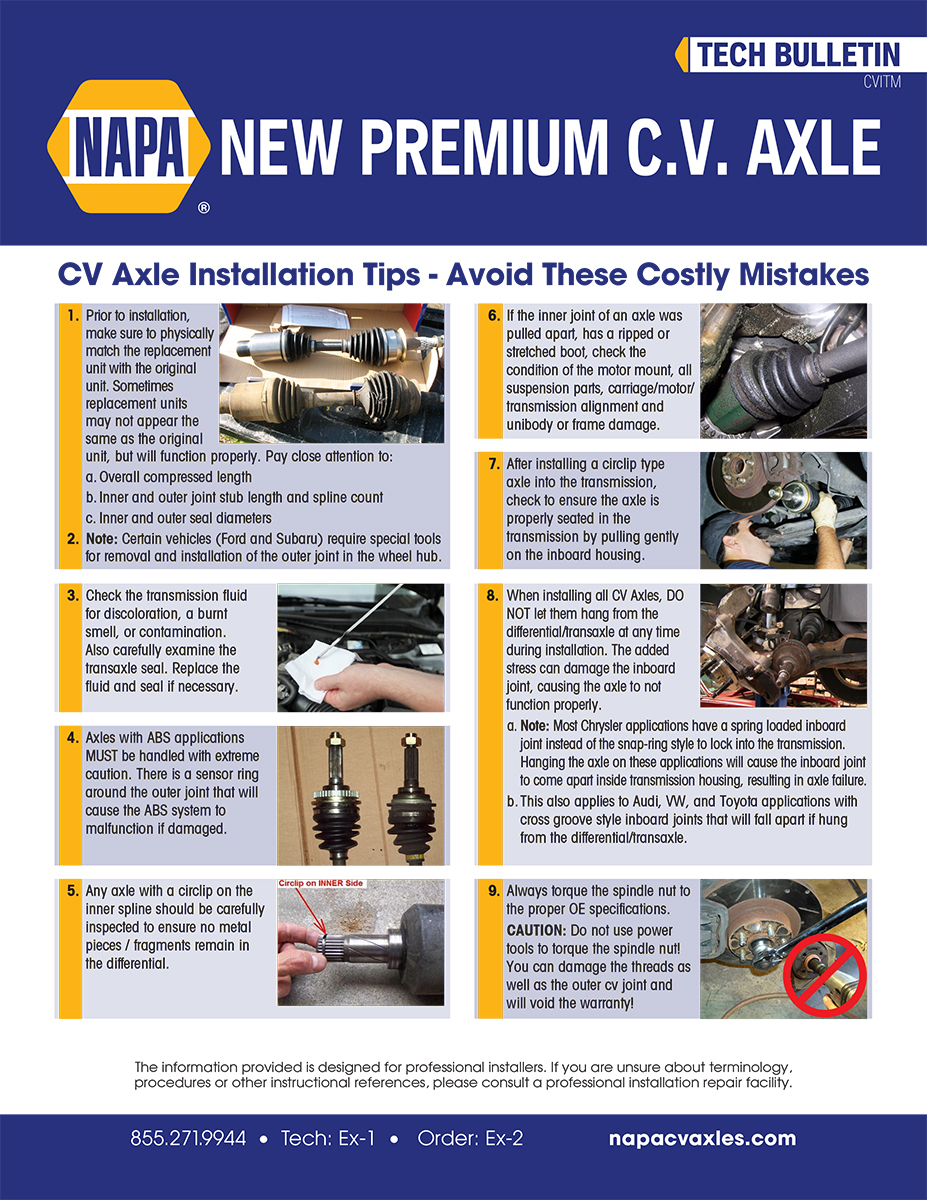
The replacement process starts by lifting the car and removing the wheel. Then, the old axle is carefully taken out from the transmission and wheel hub. Mechanics inspect surrounding parts for damage before installing the new axle.
After the new CV axle is in place, all bolts and nuts are tightened to factory specs. The wheel is reattached and the car is lowered to the ground. The repair usually takes about one to two hours depending on the vehicle.
Proper installation is crucial to avoid steering problems or further damage. A test drive follows to check if the axle works smoothly and quietly. This repair helps maintain safe handling and vehicle control.
Credit: napacvaxles.com
How Alignment Affects Vehicle Performance
Wheel alignment plays a key role in how your car drives and handles. After replacing a CV axle, the alignment can shift. This shift may cause problems if not corrected.
Proper alignment keeps your wheels pointing in the right direction. It affects steering, tire wear, and fuel efficiency. Misalignment can make your vehicle feel unstable or pull to one side.
Improved Steering Control
Correct alignment helps your car steer smoothly. You can turn the wheel with less effort. The vehicle responds better to your commands. This makes driving safer and more comfortable.
Even Tire Wear
When wheels are aligned, tires wear evenly. Uneven wear shortens tire life and leads to early replacement. Proper alignment saves money by extending tire lifespan.
Better Fuel Efficiency
Misaligned wheels create extra drag on the engine. This causes your car to use more fuel. Alignment reduces resistance, helping your vehicle run efficiently. You spend less on gas over time.
Reduced Suspension Damage
Misalignment puts extra stress on suspension parts. This can cause premature wear and costly repairs. Alignment helps keep suspension components healthy and working well.
Signs You Need An Alignment After Cv Axle Replacement
Replacing a CV axle can change your car’s alignment. This affects how your vehicle drives. Some signs show that an alignment is needed right after the repair. Watch for these clear signals to keep your car safe and smooth on the road.
Spotting problems early helps prevent bigger issues. It also saves money on costly repairs. Here are the key signs to check after a CV axle replacement.
Uneven Or Rapid Tire Wear
Tires wearing out too fast or unevenly means the alignment is off. Check both front and rear tires for unusual wear patterns. This can happen when the CV axle is replaced but the alignment is not adjusted.
Vehicle Pulls To One Side
Your car pulls left or right without steering input. This pull indicates misaligned wheels. It forces you to correct the steering constantly while driving. This can cause fatigue and unsafe driving conditions.
Steering Wheel Off-center
After a CV axle replacement, the steering wheel may no longer sit straight. Even when driving on a flat, straight road, the wheel might lean to one side. This signals the need for an alignment check.
Vibration Or Shaking While Driving
Feeling vibrations in the steering wheel or throughout the car can indicate alignment issues. The new CV axle might have changed wheel angles. This causes uneven forces and shaking when driving at certain speeds.
Loose Or Unstable Handling
Your car may feel loose or unstable on the road. It might wander across lanes or feel like it is floating. This lack of control often means the wheels are not aligned properly after axle work.
Risks Of Skipping Alignment Post-repair
Replacing a CV axle can affect your vehicle’s alignment. Skipping an alignment after this repair carries serious risks. These risks impact safety, tire health, and driving comfort.
Ignoring alignment can cause uneven tire wear. Tires may wear out faster on one side. This leads to early tire replacement and extra costs.
Misalignment affects steering control. Your vehicle might pull to one side. This makes handling harder and increases accident risk.
Skipping alignment also strains suspension parts. Uneven forces wear out shocks and ball joints. Repair bills can rise quickly due to this damage.
Uneven Tire Wear And Reduced Tire Life
After a CV axle replacement, the vehicle’s geometry might shift. Without alignment, tires do not roll straight. This causes one side of tires to wear faster.
Uneven wear lowers tire grip on the road. It reduces safety and causes noisy rides. Tires wear out sooner, forcing more frequent replacements.
Compromised Vehicle Handling And Safety
Skipping alignment can make the car pull left or right. Steering feels off, requiring constant correction. This reduces control and increases accident risk.
Poor alignment also affects braking performance. The car may not stop evenly or quickly. Safety is at stake every time you drive.
Increased Suspension And Component Wear
Misaligned wheels put extra pressure on suspension parts. This causes premature wear on shocks, struts, and joints. Repairs become more frequent and costly.
Suspension damage also reduces ride comfort. You may feel more bumps and vibrations. Overall driving experience suffers without proper alignment.
Cost Considerations For Alignment Services
Getting an alignment after replacing a CV axle is common. The cost of this service varies by many factors. Understanding these costs helps you plan your budget better.
Alignments are important for vehicle safety and tire health. The price usually depends on the type of alignment needed. Most shops offer two-wheel or four-wheel alignment services.
What Affects Alignment Costs?
Location plays a big role in alignment prices. Urban areas tend to have higher fees. The shop’s reputation and equipment also matter.
Some cars need more complex alignments. Luxury or performance vehicles often cost more. Special tools or parts may increase the price.
Average Price Range For Alignment
Typical alignment costs range from $50 to $120. Basic front-end alignments are cheaper. Full four-wheel alignments cost more but offer better results.
Some shops include alignment in a CV axle replacement package. This can save money but check the details carefully.
Ways To Save On Alignment Services
Compare prices from different auto shops nearby. Look for coupons or discounts on alignment services. Scheduling alignments during promotions can reduce costs.
Regular vehicle maintenance can prevent alignment issues. This reduces the need for frequent costly adjustments.
Tips For Maintaining Proper Wheel Alignment
Replacing a CV axle can affect your car’s wheel alignment. Getting an alignment check ensures smooth driving and prevents uneven tire wear. Proper alignment keeps your vehicle safe and extends tire life.
Regular Tire Pressure Checks
Keep your tires at the right pressure. Underinflated or overinflated tires wear unevenly. This can throw off your wheel alignment. Check tire pressure at least once a month. Use a reliable tire gauge for accuracy. Proper pressure helps your car handle well and lasts longer.
Avoid Potholes And Rough Roads
Drive carefully to avoid potholes and rough patches. Hitting a pothole can bend suspension parts. This affects your wheel alignment. Slow down in bad road areas. Steer clear of large potholes when possible. Protect your car’s alignment by driving smoothly.
Get Regular Wheel Alignments
Schedule wheel alignment checks regularly. Mechanics can spot early signs of misalignment. Alignments keep your car driving straight and safe. After replacing parts like a CV axle, always check alignment. Regular alignment saves tire wear and improves fuel efficiency.
Inspect Suspension And Steering Components
Check suspension and steering parts often. Worn or damaged parts cause poor alignment. Ask your mechanic to inspect them during service. Fix issues quickly to keep wheels aligned. Good suspension means better control and safety.

Credit: www.autonationmobileservice.com
Frequently Asked Questions
Should I Get A Wheel Alignment After Cv Axle Replacement?
Yes, a wheel alignment is recommended after replacing a CV axle. It ensures your wheels are correctly positioned, preventing uneven tire wear.
Can Misalignment Cause Problems After Cv Axle Repair?
Misalignment can cause vibrations, pulling to one side, and uneven tire wear. Checking alignment helps avoid these issues after CV axle repair.
How Soon Should I Get An Alignment Post Cv Axle Change?
Get an alignment as soon as possible after replacing the CV axle. This keeps your vehicle driving straight and extends tire life.
Will Skipping Alignment Damage My Tires After Axle Replacement?
Skipping alignment can cause uneven tire wear and reduce tire lifespan. Proper alignment keeps your tires wearing evenly and safely.
Does Cv Axle Replacement Affect Vehicle Alignment?
CV axle replacement can affect alignment if suspension parts shift during repair. Always check alignment to ensure safe and smooth driving.
Conclusion
Getting an alignment after replacing a CV axle helps keep your car safe. It stops uneven tire wear and improves handling. Misalignment can cause your car to pull to one side. This makes driving harder and less comfortable. A quick alignment check saves money on tires and repairs later.
It ensures your vehicle drives smoothly and lasts longer. Don’t skip this step after a CV axle replacement. It protects your investment and keeps your ride steady. Simple, smart, and worth doing.