Can You Pass Emissions With the Check Engine Light on? Truth Revealed
Have you ever wondered if your car can still pass an emissions test when the check engine light is on? It’s a question many drivers face, and the answer might surprise you.
Ignoring that warning could cost you time, money, or even cause your vehicle to fail the test. But what exactly does the check engine light mean for your emissions results? Keep reading to find out what you need to know before your next inspection—so you don’t get caught off guard.
What Triggers The Check Engine Light
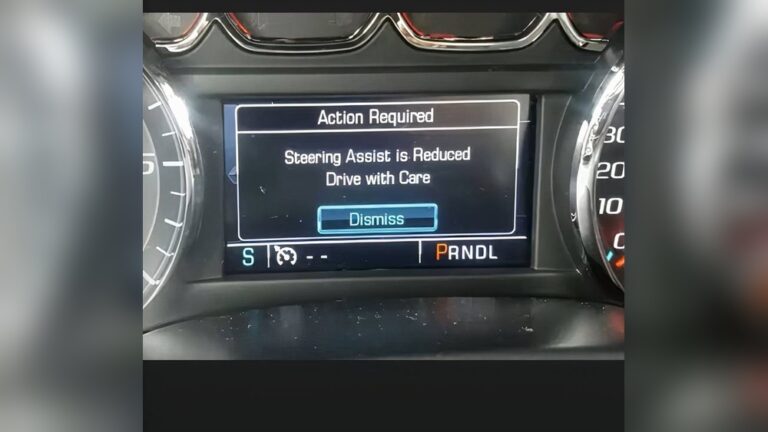
The check engine light signals an issue in your vehicle’s system. It can turn on for many reasons. Understanding what triggers this light helps you know if you can pass emissions tests.
Common Causes
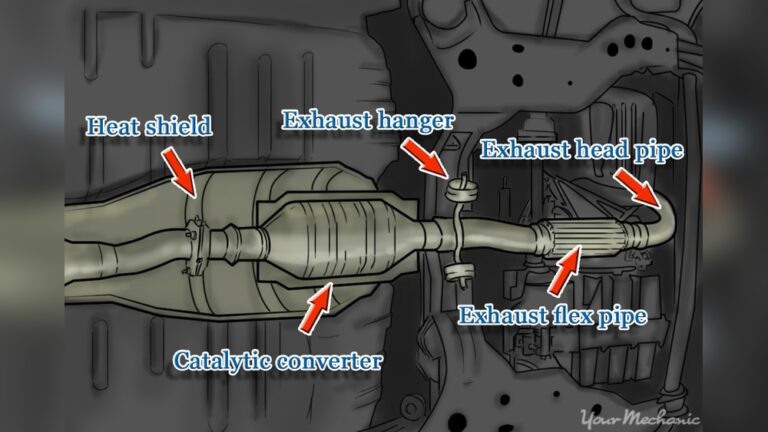
The check engine light often comes on due to problems with the emissions system. A loose gas cap is a simple cause. Faulty oxygen sensors are another frequent issue. Problems with the catalytic converter also trigger the light. Malfunctioning spark plugs or wires can cause it. Sometimes, the mass airflow sensor fails. Each of these issues affects your car’s emissions.
Severity Levels
Not all check engine lights mean the same thing. A steady light usually signals a minor problem. A flashing light means a serious issue. The engine may misfire, causing damage. Some problems cause higher emissions. Others might not affect emissions much. The severity helps determine if the car passes the test.

Credit: www.youtube.com
Emissions Test Basics
Understanding the basics of an emissions test helps prepare for the process. The test checks a vehicle’s pollution levels. It ensures cars meet environmental standards. Knowing what is tested and how helps drivers pass the test.
Test Components
The emissions test has several key parts. The inspector checks exhaust gases for harmful chemicals. These include carbon monoxide, hydrocarbons, and nitrogen oxides. The vehicle’s onboard computer system is also scanned. It reports if the engine or emissions systems have faults. Some tests measure the car’s evaporative emissions system. This system prevents fuel vapors from escaping into the air.
Pass And Fail Criteria
Passing means pollution levels are within allowed limits. The vehicle’s computer must show no active engine faults. If the check engine light is on, it usually means a problem exists. This often leads to automatic test failure. Some states allow a limited number of trouble codes. But most require the light to be off. The exhaust gases must not exceed set limits. If pollution is too high, the vehicle fails. Fixing the issue and retesting is necessary to pass.
Impact Of Check Engine Light On Emissions Tests
The check engine light signals a problem with your vehicle’s emissions system. It often affects your ability to pass an emissions test. The light means the car’s computer found an issue that could increase pollution.
Emission tests check if your car meets pollution standards. A check engine light usually means the car is not running cleanly. This can lead to failing the test. Some problems are serious enough to block passing entirely.
Automatic Failures
Most states fail cars automatically if the check engine light is on. This is because the light shows the car’s emissions are too high. The test equipment reads the car’s computer for error codes. Any code related to emissions can cause failure.
Even small issues like a loose gas cap can trigger the light. But the rules usually do not allow passing with the light on. The goal is to reduce harmful emissions and protect air quality.
Exceptions And Variations
Some states have different rules for the check engine light. They may allow passing if the problem is minor or fixed quickly. For example, a light caused by a loose gas cap might not fail the test. Some states give a warning instead of failure.
In some places, new cars get special treatment. They may pass with the light on during the first few years. This depends on the local laws and test procedures. Always check your state’s rules before the test.

Credit: www.reddit.com
Steps To Take If Light Is On Before Testing
The check engine light signals a problem in your vehicle’s system. It must be addressed before emissions testing. Ignoring this light lowers your chances of passing the test. Taking the right steps can save time and money.
Start by identifying the exact issue. Understanding the problem helps with proper repairs. This section guides you through the necessary actions before the emissions test.
Diagnostic Tools
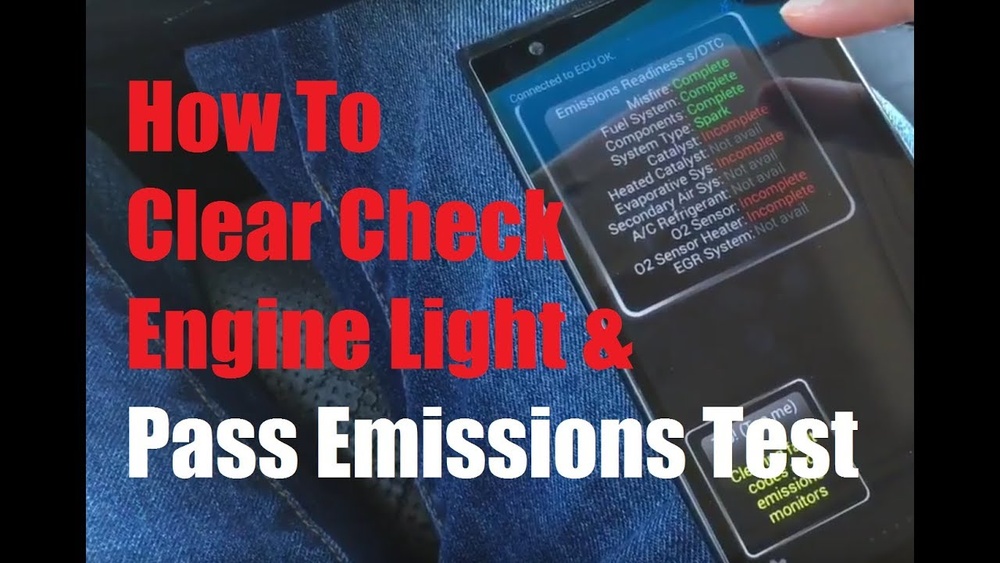
Use an OBD-II scanner to read error codes from your car’s computer. These codes reveal what triggers the check engine light. Many auto parts stores offer free scanning services. You can also buy affordable scanners online. They connect easily to your vehicle and give instant results. Knowing the codes helps decide the next steps clearly.
Repair And Retest Options
After finding the problem, get the needed repairs done. Simple fixes often clear the check engine light quickly. Common repairs include replacing oxygen sensors or tightening the gas cap. Some issues require a mechanic’s expertise. After repairs, drive the car for a few days. This resets the system and clears error codes. Then, retest the emissions to check if the light stays off. Passing becomes more likely with these careful steps.
Credit: www.prnewswire.com
Frequently Asked Questions
Can A Car Fail Emissions With The Check Engine Light On?
Yes, most states will fail a car if the check engine light is on. The light usually means a problem with emissions or engine systems.
Does The Check Engine Light Always Mean Emissions Failure?
Not always. The light can signal many issues, but often it relates to emissions problems that affect tests.
Can I Reset The Check Engine Light Before An Emissions Test?
You can reset it, but it may not help. The system needs time to run checks before the test.
What Repairs Fix Emissions Issues Causing The Check Engine Light?
Common fixes include replacing oxygen sensors, catalytic converters, or fixing leaks. A mechanic can diagnose the exact cause.
Conclusion
Passing an emissions test with the check engine light on is unlikely. The light signals a problem in your car’s system that affects emissions. Most test centers will fail your car if the light stays on. Fixing the issue first helps you pass smoothly and avoid extra costs.
Regular car maintenance keeps emissions low and the engine healthy. Don’t ignore the check engine light. It protects your vehicle and the environment. Taking care of problems early saves time and money. Stay safe and clean by addressing engine warnings promptly.