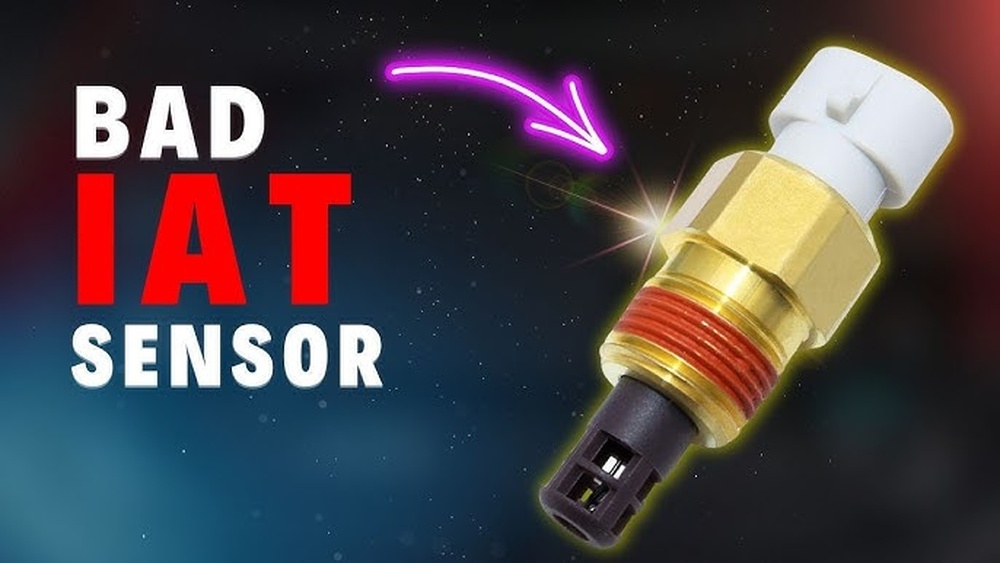
Can a Bad Intake Air Temperature Sensor Cause Stalling? Find Out Now!
Have you ever been driving and suddenly your car stalls without warning? One of the hidden culprits behind this frustrating problem could be a bad intake air temperature sensor.
This small, often overlooked part plays a big role in how your engine runs. If it’s not working properly, it can cause your vehicle to stall at the worst times. You’ll discover exactly how a faulty intake air temperature sensor affects your car’s performance and what signs to watch for.
Keep reading to learn how to spot the problem early and avoid unexpected breakdowns.
Role Of Intake Air Temperature Sensor
The intake air temperature (IAT) sensor plays a key role in your car’s engine system. It measures the temperature of the air entering the engine. This data helps the engine control unit (ECU) adjust fuel delivery and ignition timing.
Proper air temperature readings allow the engine to run smoothly. A bad sensor can send wrong data, causing engine problems. Stalling is one of the common issues linked to a faulty IAT sensor.
How The Sensor Works
The IAT sensor is usually a thermistor. It changes resistance based on air temperature. Cold air lowers resistance. Warm air raises resistance.
The sensor sends this signal to the ECU. The ECU uses the signal to calculate the correct fuel amount. This helps maintain the right air-fuel mixture.
Impact On Engine Performance
A bad IAT sensor can cause poor engine performance. The engine may get too much or too little fuel. This leads to rough idling and stalling.
Incorrect air temperature data can also reduce fuel efficiency. The engine may run rich or lean. This increases emissions and engine wear.

Credit: www.youtube.com
Symptoms Of A Faulty Intake Air Temperature Sensor
The intake air temperature sensor plays a key role in your car’s engine performance. When it fails, the engine may show several signs. These signs help identify the sensor problem early. Recognizing these symptoms can prevent serious engine trouble.
Engine Stalling And Hesitation
A faulty intake air temperature sensor can cause the engine to stall. The engine may hesitate during acceleration. This happens because the sensor sends wrong air temperature data. The engine control unit then adjusts fuel incorrectly. This leads to rough running or sudden stops.
Poor Fuel Efficiency
Wrong sensor readings affect fuel mixture. The engine uses more fuel than needed. This results in poor fuel economy. You may notice more frequent visits to the gas station. Fuel cost rises without any change in driving habits.
Check Engine Light Activation
The check engine light often turns on with sensor issues. The car’s computer detects the faulty sensor. It triggers the warning light on the dashboard. Ignoring this light can cause bigger engine problems. Getting the sensor checked early avoids costly repairs.
Diagnosing A Bad Intake Air Temperature Sensor
Diagnosing a bad intake air temperature (IAT) sensor is important for fixing engine stalling issues. The IAT sensor tells the engine control unit (ECU) the temperature of the air entering the engine. A faulty sensor can send wrong information and cause poor engine performance or stalling.
Testing the sensor involves several steps. These steps help find out if the IAT sensor is working or needs replacement. A clear diagnosis saves time and money on repairs.
Common Diagnostic Methods
Technicians use different ways to check the IAT sensor. They measure the sensor’s resistance and voltage. These values change with air temperature. Comparing the readings to the sensor’s specifications shows if it is faulty.
Another method is to observe engine behavior during warm-up. A bad sensor may cause rough idling or stalling when the engine is cold. These signs hint at a sensor issue.
Using An Obd-ii Scanner
An OBD-II scanner reads error codes from the car’s computer. Codes related to the IAT sensor show sensor failure or circuit problems. This tool gives quick and accurate information.
The scanner also shows live data from the sensor. Watching the temperature reading while the engine runs helps find inconsistent or stuck values. This confirms sensor trouble.
Visual And Physical Inspections
Look for damage on the IAT sensor and its wiring. Dirt, corrosion, or broken wires can cause bad readings. Cleaning or fixing these parts may solve the problem.
Check the sensor’s connector for tight fit. Loose connections cause intermittent faults. A secure connection ensures accurate signal transmission.

Credit: www.go-parts.com
Fixing Intake Air Temperature Sensor Issues
Fixing intake air temperature sensor issues is key to preventing engine stalling. This sensor helps the engine control unit adjust fuel and air mix. When it malfunctions, the engine can stall or run poorly. Quick action can save you from costly repairs and unsafe driving.
Sensor Cleaning And Maintenance
Cleaning the intake air temperature sensor can restore its accuracy. Dirt and debris may cover the sensor, causing false readings. Use a soft brush or electrical cleaner to gently clean the sensor. Avoid harsh chemicals or water, which can damage it. Regular cleaning keeps the sensor working well and prevents stalling.
When To Replace The Sensor
Some sensor problems cannot be fixed by cleaning. If the sensor still causes stalling after cleaning, replacement is needed. Signs to replace include erratic temperature readings or a check engine light. Using a faulty sensor harms engine performance and fuel efficiency. Always use a sensor made for your vehicle model.
Preventive Measures To Avoid Sensor Failure
Preventing sensor failure starts with good air filter care. Replace air filters regularly to stop dirt from reaching the sensor. Avoid engine modifications that affect airflow without adjusting the sensor. Routine vehicle checkups can spot sensor issues early. Proper care extends sensor life and keeps your engine stable.

Credit: www.go-parts.com
Frequently Asked Questions
Can A Bad Intake Air Temperature Sensor Cause Engine Stalling?
Yes, a faulty intake air temperature sensor can cause engine stalling. It sends wrong data to the engine control unit, affecting fuel mix. This can lead to poor engine performance and unexpected stalls.
How Does An Intake Air Temperature Sensor Affect Fuel Mixture?
The sensor measures air temperature to adjust fuel mix. Wrong readings cause incorrect fuel delivery. This imbalance can make the engine run rough or stall.
What Symptoms Indicate A Failing Intake Air Temperature Sensor?
Common signs include rough idling, poor acceleration, and engine stalling. You may also notice increased fuel consumption. These symptoms suggest the sensor needs checking or replacement.
Can Replacing The Intake Air Temperature Sensor Fix Stalling Issues?
Replacing a bad sensor often solves stalling problems. It restores correct air temperature data to the engine. This helps improve engine stability and fuel efficiency.
Conclusion
A bad intake air temperature sensor can cause your engine to stall. This sensor helps the car’s computer control fuel and air mix. If it sends wrong data, the engine may run poorly or stop. Fixing or replacing the sensor often stops the stalling.
Keep the sensor clean and check it regularly. This small part plays a big role in smooth driving. Don’t ignore signs like rough idling or sudden stalls. A working sensor helps your car run safely and efficiently.