What Happens If You Put Too Much Power Steering Fluid: Risks Explained
Have you ever wondered what happens if you put too much power steering fluid in your car? It might seem like a simple mistake, but the truth is, overfilling can cause serious problems for your vehicle.
You rely on your power steering to keep driving smooth and safe, so understanding the risks of too much fluid is crucial. Keep reading to find out exactly how overfilling affects your steering system and what you can do to fix it before it turns into a costly repair.
Don’t let a small slip-up turn into a big headache!
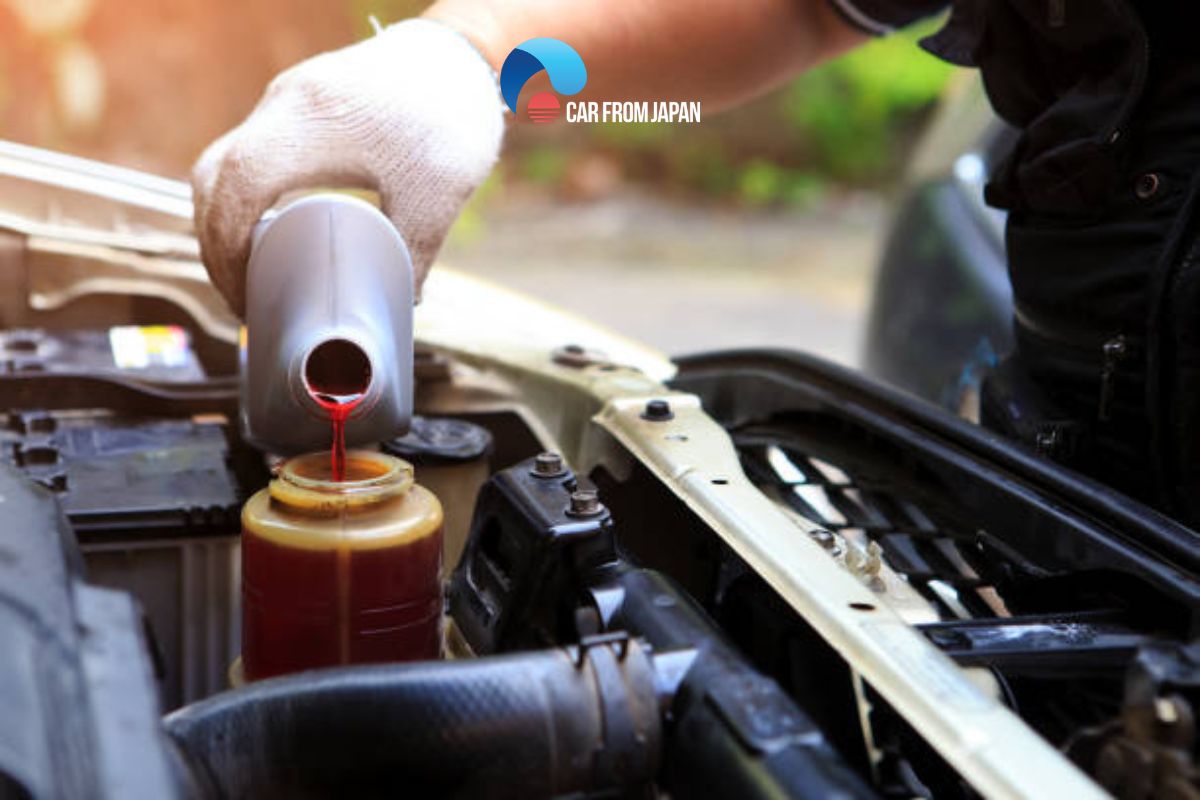
Credit: carfromjapan.com
Causes Of Excess Power Steering Fluid
Excess power steering fluid can cause issues in your vehicle. Knowing what leads to too much fluid helps prevent problems. Several factors can cause overfilling of power steering fluid.
Understanding these causes can save time and money. It also keeps your steering system working smoothly.
Overfilling During Maintenance
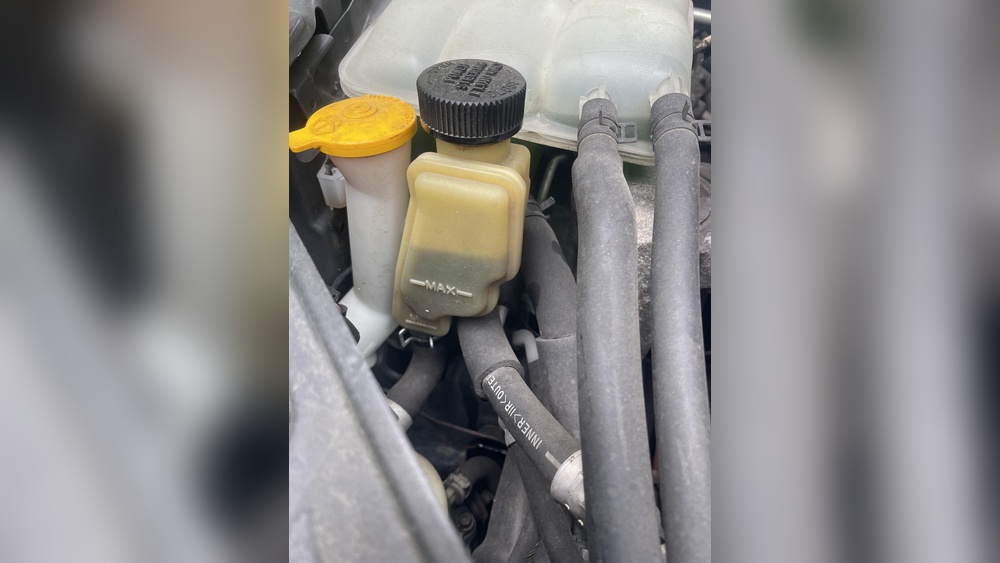
Many drivers add fluid and do not check the level properly. The reservoir has a max fill line. Filling above this line causes excess fluid. This often happens during routine maintenance or top-ups.
Using The Wrong Fluid Type
Different vehicles require specific types of power steering fluid. Using the wrong fluid can cause swelling or expansion. This makes the fluid level appear higher than it should be. Confusion about fluid types leads to overfilling.
Leaking Or Faulty Reservoir Cap
A damaged or loose cap can allow dirt and air inside. Air bubbles make the fluid level look higher. This may trick drivers into adding more fluid. Leaks can cause pressure changes, affecting fluid amount.
Temperature Changes Affect Fluid Volume
Power steering fluid expands when warm. Checking fluid level when the engine is hot can show excess fluid. Cold fluid takes up less space, so topping off at that time might cause overfill later.
Incorrect Fluid Level Reading
Reading the fluid level on an uneven surface or with the engine running can give wrong results. This leads to unnecessary fluid addition. Always check the level with the engine off and car on level ground.

Credit: www.agcoauto.com
Symptoms Of Overfilled Power Steering
Overfilled power steering fluid can cause several issues in your vehicle. The symptoms may not appear immediately but can worsen over time. Recognizing these signs early helps prevent costly repairs. Below are some common symptoms of too much power steering fluid.
Foaming Or Bubbles In The Fluid Reservoir
Extra fluid creates air pockets inside the reservoir. You may see foam or bubbles on the surface. This reduces the fluid’s ability to lubricate parts. It also causes uneven pressure in the system.
Difficulty Steering
Too much fluid can increase pressure in the steering system. This makes turning the wheel harder than usual. You might feel the steering wheel stick or resist movement. The fluid overflow disrupts normal steering function.
Leaking Fluid
Overfilled reservoirs may leak fluid from seals or hoses. The extra pressure forces fluid out through weak spots. You might notice puddles under your car. Leaks also lower fluid levels, causing more problems.
Unusual Noises While Steering
Excess fluid can cause whining or groaning sounds. These noises come from the power steering pump. The pump works harder due to fluid overflow. Hearing strange sounds is a sign to check fluid levels.
Increased Engine Temperature
Too much fluid can cause the power steering pump to overheat. This adds heat to the engine compartment. Your engine may run hotter than normal. Overheating can damage other engine parts.
Potential Damage To The Steering System
Adding too much power steering fluid can harm your steering system. Overfilling causes pressure issues inside the system. This pressure can lead to leaks and damage to parts. Understanding these risks helps protect your vehicle.
Increased Pressure In The Reservoir
Extra fluid raises pressure inside the power steering reservoir. The reservoir is not made to hold too much fluid. Higher pressure can crack or warp the reservoir walls. These damages cause fluid leaks and steering problems.
Damage To Seals And Hoses
Overfilled fluid puts stress on seals and hoses. These components keep the fluid contained and flowing. Too much pressure can cause seals to break or wear out. Damaged hoses may leak, reducing steering fluid levels quickly.
Foaming And Aeration Of The Fluid
Excess fluid can cause foaming inside the system. Foaming reduces the fluid’s ability to lubricate parts. Aerated fluid makes the steering feel stiff or noisy. It can also cause the pump to fail sooner.
Pump Damage And Reduced Lifespan
The power steering pump works harder with too much fluid. Extra fluid creates resistance and heat inside the pump. This leads to faster wear and possible pump failure. Repairing or replacing the pump can be costly.
Credit: www.tundras.com
Steps To Fix Overfilled Power Steering Fluid
Overfilling power steering fluid can cause problems in your car. It may lead to leaks or damage to the power steering system. Fixing this issue quickly helps avoid costly repairs and keeps your steering smooth.
Follow these simple steps to remove extra fluid safely. You do not need special tools, just a little patience and care.
Check The Fluid Level
Start by opening the hood and locating the power steering reservoir. Clean the cap before opening it to avoid dirt falling inside. Use the dipstick or markings on the reservoir to see how much fluid is inside.
Remove Excess Fluid
Use a clean turkey baster or a small siphon pump to draw out extra fluid. Remove small amounts at a time. Check the level again to avoid taking out too much.
Clean The Reservoir Cap And Surroundings
Wipe off any spilled fluid around the reservoir and cap. This prevents dirt from sticking and keeps the engine area clean. A clean area also helps you spot future leaks easily.
Start The Engine And Check For Leaks
Turn on the engine and let it run for a few minutes. Watch under the hood for any signs of leaks or fluid dripping. If you see leaks, tighten the cap or check for damaged hoses.
Test The Steering
Turn the steering wheel fully left and right. Listen for noises and feel for smooth movement. If the steering feels stiff or noisy, recheck the fluid level or visit a mechanic for help.
Frequently Asked Questions
What Happens If Power Steering Fluid Is Overfilled?
Overfilling power steering fluid can cause leaks and pressure buildup. This may damage seals and cause steering issues.
Can Too Much Power Steering Fluid Damage The Pump?
Yes, excess fluid can cause the pump to work harder. This may lead to pump failure or noisy operation.
How To Fix Power Steering Fluid Overflow?
Drain the extra fluid carefully using a turkey baster or syringe. Check the fluid level regularly to avoid overfilling again.
Is It Safe To Drive With Too Much Power Steering Fluid?
Driving with excess fluid can cause leaks or steering problems. It is best to fix the level before driving long distances.
Conclusion
Too much power steering fluid can cause serious car problems. It may lead to leaks and damage to the steering system. Overfilling can make the fluid foam, reducing its ability to lubricate. This can cause noise and hard steering. Checking the fluid level regularly helps keep your car safe.
Always use the right amount to avoid costly repairs. Keep your steering smooth and your driving safe by maintaining proper fluid levels. Simple care goes a long way in protecting your vehicle.