Can You Change a Transmission from Manual to Automatic? Expert Guide
Are you thinking about switching your car’s transmission from manual to automatic? It’s a question many drivers ask when they want a smoother, easier driving experience.
But is it really possible to make this change? And what does it involve? If you’ve ever wondered whether you can swap out your manual transmission for an automatic one, you’re in the right place. Keep reading to discover what it takes, the challenges you might face, and whether this upgrade is worth your time and money.
Your car could feel completely different—let’s find out how.

Credit: www.youtube.com
Manual Vs Automatic Transmissions
Choosing between a manual and an automatic transmission affects your driving experience. Each type has unique features that change how you control the car. Knowing the differences helps decide what fits your needs.
This knowledge is especially important when considering switching from manual to automatic transmission.
Key Differences
Manual transmissions require the driver to change gears using a clutch pedal. Drivers press the clutch to shift gears manually.
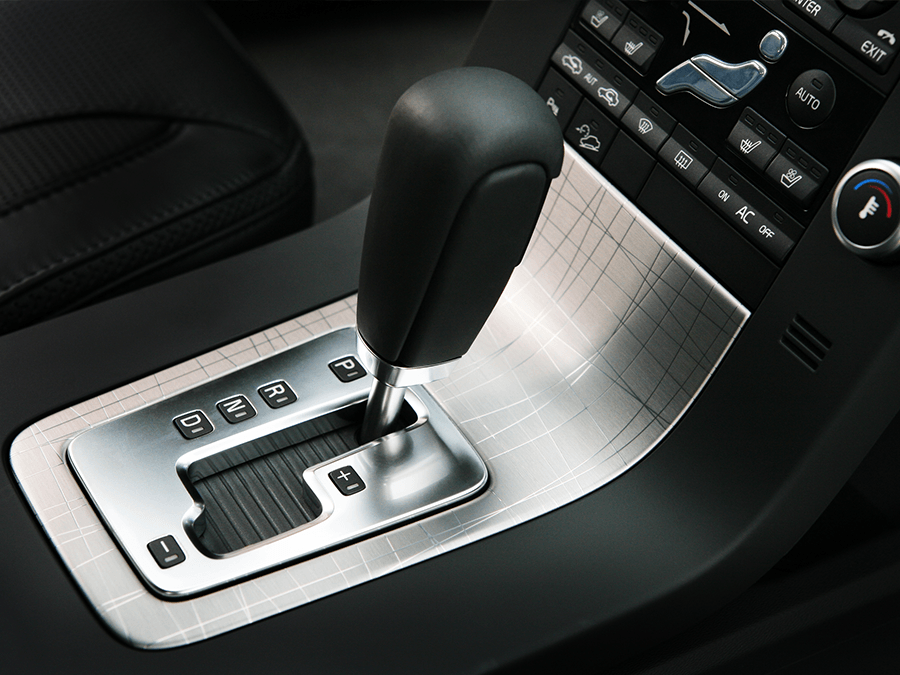
Automatic transmissions shift gears on their own. The car handles gear changes without driver input.
Manual cars usually have three pedals: clutch, brake, and accelerator. Automatic cars only have two pedals: brake and accelerator.
Manual transmissions give more control over the car’s power and speed. Automatic transmissions offer ease and comfort in driving.
Pros And Cons
Manual transmissions often cost less to buy and repair. They can provide better fuel efficiency in some cases.
Manual cars can be harder to learn and use, especially in traffic. They require more effort and coordination from the driver.
Automatic transmissions are easier to use and better for city driving. They reduce driver fatigue by handling gear changes automatically.
Automatic cars usually cost more to buy and maintain. They might use more fuel compared to manual cars.
Credit: wranglerfix.com
Feasibility Of Transmission Conversion
Changing a car’s transmission from manual to automatic is a complex task. It requires more than just swapping parts. Many factors affect whether this conversion is possible and practical.
This section explores the feasibility of transmission conversion. It covers vehicle compatibility and the technical challenges involved.
Vehicle Compatibility
Not every car can switch from manual to automatic easily. Some vehicles have parts designed only for one type of transmission. Compatibility depends on the car’s make, model, and year.
Engine and transmission mounts may differ between manual and automatic versions. The car’s computer system might need updates to work with automatic controls. Some older cars lack the electronics for an automatic transmission.
Space under the hood and floor also matters. Automatic transmissions often require more room for components like the torque converter. Check if the car has enough space for these parts.
Technical Challenges
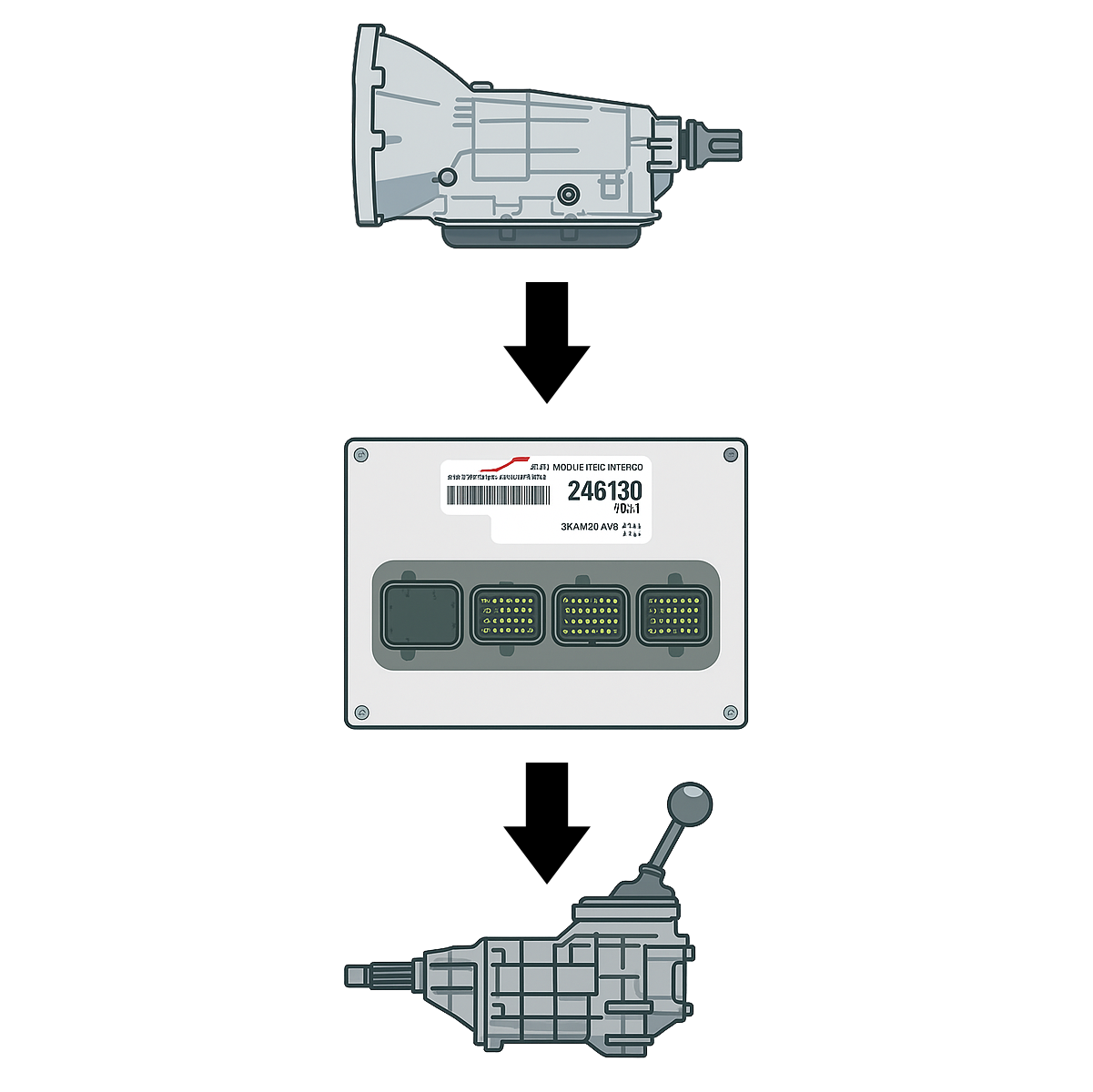
Converting a manual to automatic involves many technical steps. The manual transmission and clutch must be removed. Then, the automatic transmission and related parts need installation.
The vehicle’s wiring must be changed to connect sensors and control modules. Installing a transmission control unit may be necessary. The brake system might require modifications too.
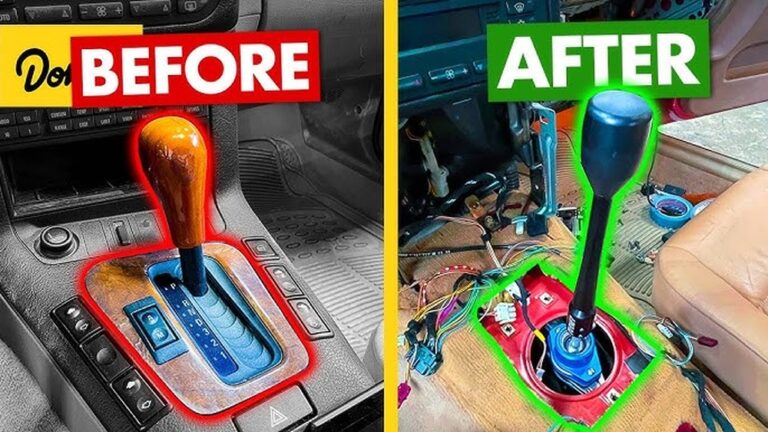
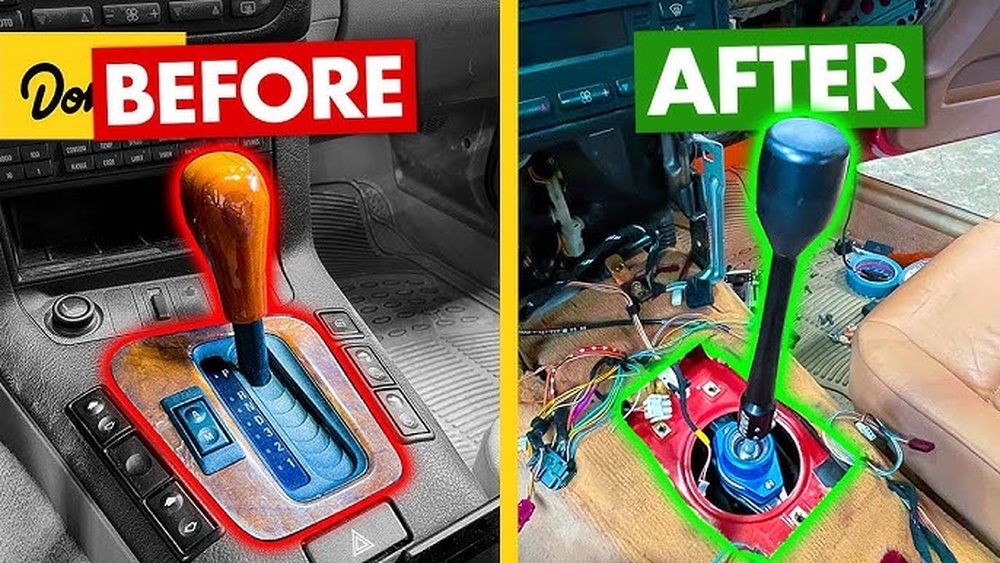
Shifting controls inside the car must be adapted. This includes the gear shifter and sometimes the pedals. Proper calibration is essential for smooth operation.
Experts often recommend professional help due to these challenges. Mistakes can lead to poor performance or safety risks.
Step-by-step Conversion Process
Changing a car’s transmission from manual to automatic involves several important steps. The process can be complex but doable with the right parts and tools. This guide breaks down the main tasks clearly. Follow each step carefully to ensure a smooth conversion.
Parts And Tools Needed
Start by gathering all necessary parts. You will need an automatic transmission unit that fits your car model. A compatible torque converter is essential for power transfer. Also, get an automatic transmission control module if required.
Other parts include a transmission cooler, new shift linkage, and a different driveshaft or adapter. Don’t forget a new clutch pedal assembly or removal, depending on the car.
Tools needed include a jack and stands, socket set, wrenches, screwdrivers, and a transmission jack. A torque wrench is important for precise tightening. Having a service manual for your car helps a lot.
Installation Overview
Begin by disconnecting the battery to prevent electrical issues. Remove the manual transmission carefully. This includes detaching the clutch linkage, drive shaft, and transmission mounts.
Install the automatic transmission in place of the manual one. Connect the torque converter to the engine properly. Attach the transmission mounts securely to support the unit.
Hook up the new shift linkage and transmission cooler lines. Install the automatic transmission control module and wire it as needed. Replace or modify the pedal assembly for automatic use.
Refill the transmission fluid and check all connections. Lower the car and reconnect the battery. Test the new transmission to ensure it shifts smoothly and functions well.
Costs And Considerations
Changing a car’s transmission from manual to automatic is a big project. It takes time, money, and careful thought. Many things affect the total cost and the success of the swap. Understanding these costs and considerations helps you plan better.
Budgeting For The Swap
The cost of switching to an automatic transmission can vary a lot. Parts alone can cost between $1,500 and $4,000. You may need a new transmission, torque converter, driveshaft, and computer system.
Labor costs can also add up fast. Skilled mechanics might charge $1,000 to $3,000. The work takes several hours or days. Expect to pay more if your car needs extra parts or wiring changes.
Other expenses include new pedals, mounts, and fluid lines. Sometimes, the car’s engine control unit needs reprogramming. This can cost several hundred dollars more.
Potential Risks And Warranty Issues
Swapping transmissions can cause unexpected problems. Parts may not fit perfectly. This can lead to leaks or poor performance.
There is a risk of damaging other parts during the swap. The car might not run smoothly or safely after the change.
Many vehicle warranties do not cover transmission swaps. If your car is still under warranty, the swap could void it. This means you pay for all repairs yourself.
Insurance policies may also change. Some companies charge higher premiums for modified cars. Check with your insurer before starting the project.
Credit: www.seattletransmissionshop.com
Frequently Asked Questions
Can You Switch A Manual Car To Automatic Transmission?
Yes, it is possible to change a manual car to automatic. This process involves replacing the transmission system and other parts. It can be costly and time-consuming.
How Much Does Converting Manual To Automatic Cost?
The cost varies but usually ranges from $2,000 to $5,000. It depends on the car model and labor fees. Additional parts may increase the price.
Is Converting Manual To Automatic Difficult For Beginners?
Yes, it requires mechanical knowledge and special tools. Most people hire professionals to do the job. Mistakes can cause serious car damage.
Will Converting Affect Car Performance Or Fuel Efficiency?
Changing to automatic may slightly reduce fuel efficiency. Performance can feel different but usually stays reliable. Regular maintenance is important after conversion.
Conclusion
Changing a manual transmission to automatic is possible but not simple. It takes time, money, and skill to do it right. You must consider costs for parts and labor. Some cars fit this change better than others. Think about your needs and budget before deciding.
A professional’s help makes the process smoother. This change can make driving easier for some. Still, it’s important to weigh all options carefully. Choose what works best for your car and lifestyle.