How Long Can You Drive With Low Power Steering Fluid: Risks & Tips
Have you ever noticed your steering wheel feeling heavy or unresponsive? That could be a sign your power steering fluid is running low.
But how long can you actually drive with low power steering fluid before it becomes a serious problem? Ignoring this can lead to costly repairs and unsafe driving conditions. You’ll discover exactly what happens when your fluid level drops, the risks involved, and how to protect your vehicle—and yourself—on the road.
Keep reading to find out how to avoid damage and stay safe behind the wheel.
Credit: www.fredbeans.com
Signs Of Low Power Steering Fluid
Low power steering fluid affects your car’s steering system. It makes driving harder and less safe. Recognizing the signs early helps avoid serious damage.
Power steering fluid keeps the steering smooth and easy. Without enough fluid, you will notice changes in how your car handles. These signs warn you of low fluid levels.
Common Symptoms
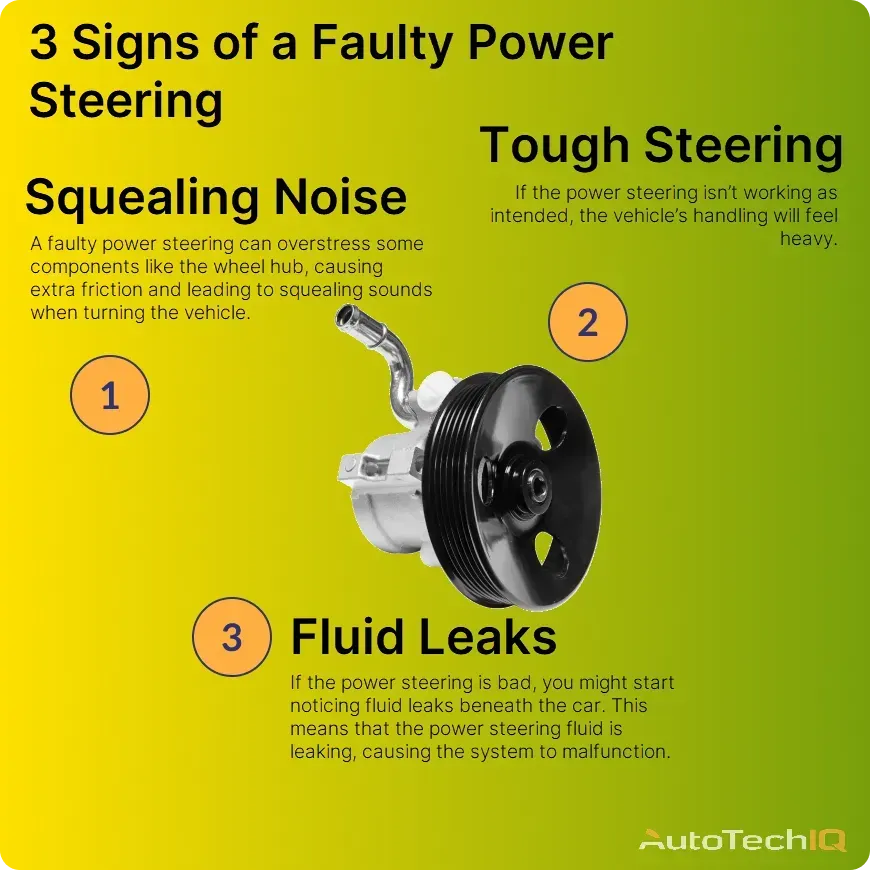
One common symptom is difficulty turning the wheel. The steering may feel stiff or heavy. You might notice the wheel does not respond quickly.
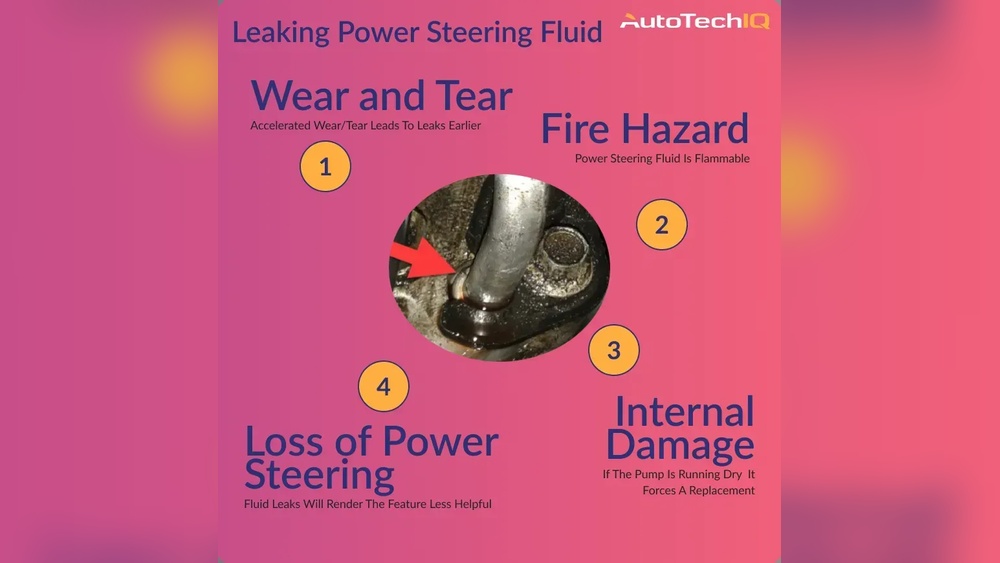
Another sign is fluid leaks under the car. Look for red or brown puddles on the ground. This shows the fluid is escaping from the system.
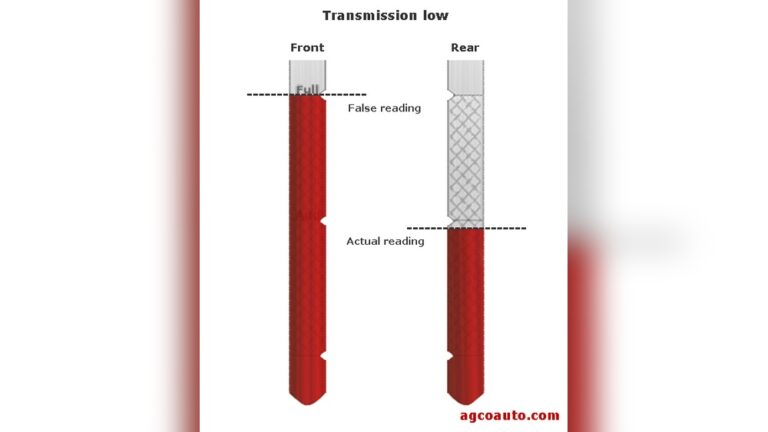
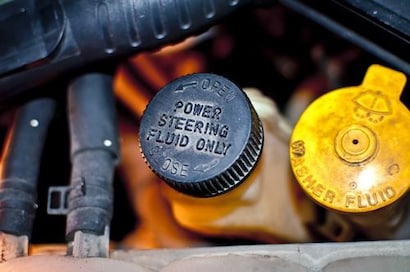
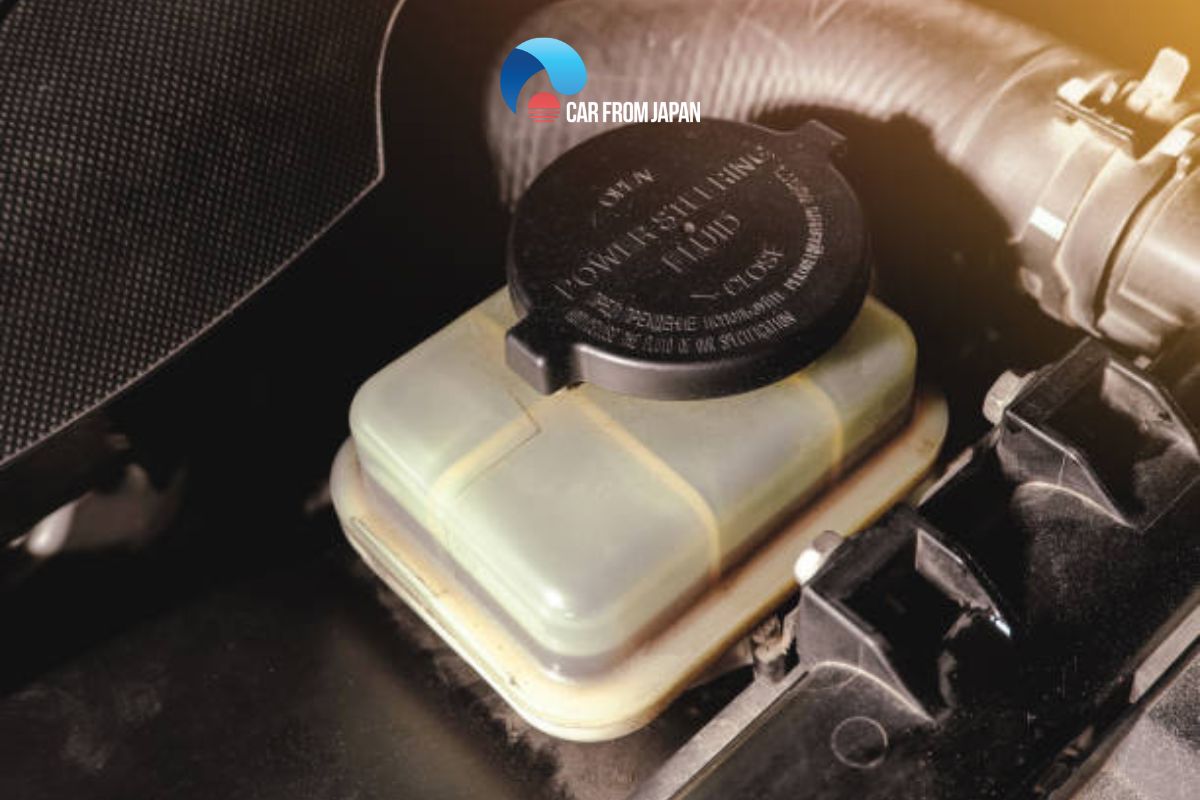
Also, check the power steering fluid reservoir. If the level is low, it means the system needs more fluid.
Noise And Steering Difficulty
Low power steering fluid often causes strange noises. You may hear whining or groaning sounds while turning. These noises come from the power steering pump.
Steering may become jerky or uneven. The wheel might shake or feel rough to turn. These problems increase with lower fluid levels.
Ignoring these noises and steering issues risks pump failure. Fixing the fluid level early keeps your steering safe and smooth.
Credit: www.autotechiq.com
Risks Of Driving With Low Fluid
Driving with low power steering fluid is risky. This fluid helps your steering system work smoothly. Without enough fluid, steering becomes hard and uneven. The risks affect your car and your safety on the road.
Damage To Steering Components
Low fluid causes extra wear on steering parts. The pump can overheat and fail. This failure leads to expensive repairs. Seals and hoses may leak more without proper fluid. Damage grows fast without enough power steering fluid.
Safety Hazards On The Road
Steering becomes stiff and difficult with low fluid. This stiffness makes turning harder, especially in tight spots. It increases the chance of losing control of the car. Emergency maneuvers become dangerous and slow. Low fluid raises the risk of accidents significantly.
How Long You Can Drive Safely
Driving with low power steering fluid can be risky. It affects your car’s steering and control. Knowing how long you can drive safely is important. This helps prevent damage and keeps you safe on the road.
Factors Affecting Driving Time
The amount of power steering fluid left matters a lot. If the level is just a bit low, you might drive a few miles safely. The car’s make and model also change how long you can drive. Some cars handle low fluid better than others.
Driving conditions play a role too. On smooth roads, steering needs less effort. In tight turns or rough roads, power steering fluid is more needed. The fluid’s condition also matters. Old or dirty fluid can cause more problems.
When To Stop Driving
Stop driving as soon as steering feels hard. If the steering wheel is stiff or jerky, it means low fluid is affecting control. Strange noises like whining or groaning also warn you to stop. Continuing to drive can damage the pump or steering system.
It is safer to pull over and check the fluid level. Don’t wait for the steering to fail completely. Driving with low power steering fluid puts you and others at risk. Fix the problem before driving again.
Credit: carfromjapan.com
Tips To Manage Low Fluid Issues
Low power steering fluid can make driving harder and unsafe. Managing this issue early helps avoid damage and costly repairs. Simple steps can keep your steering smooth and your car safe.
Knowing how to check and refill the fluid is the first step. Regular care also keeps problems away.
Checking And Refilling Fluid
Park your car on a flat surface and turn off the engine. Open the hood and find the power steering reservoir. It usually has a cap labeled “Power Steering.” Clean the cap before opening. Check the fluid level against the marks on the side. If it is low, add the right type of fluid slowly. Do not overfill. After refilling, start the engine and turn the steering wheel from side to side. This helps the fluid move through the system. Check the level again and top it up if needed.
Preventive Maintenance Steps
Check power steering fluid every few months or as the owner’s manual suggests. Look for leaks under the car or around the steering parts. Replace the fluid as recommended to keep it clean and effective. Avoid turning the steering wheel sharply while parked. This reduces stress on the power steering system. Keep an eye on any unusual noises or stiffness. Early attention can prevent bigger problems later.
Frequently Asked Questions
How Long Can You Drive With Low Power Steering Fluid?
Driving with low power steering fluid is risky and should be limited. You might manage a few miles, but it can cause steering damage quickly. Fix the fluid level as soon as possible.
What Happens If Power Steering Fluid Runs Out Completely?
Without power steering fluid, steering becomes very hard and unsafe. The system may fail, causing damage to the pump and steering parts. Stop driving immediately if fluid is empty.
Can Low Power Steering Fluid Damage The Steering Pump?
Yes, low fluid can cause the pump to overheat and wear out fast. This leads to costly repairs and poor steering performance. Keep fluid levels checked regularly.
Is It Safe To Drive With A Leaking Power Steering Fluid?
Driving with a leak reduces fluid and steering ability over time. It can lead to pump damage and loss of control. Repair leaks promptly to stay safe.
How Do I Know If My Power Steering Fluid Is Low?
Signs include difficulty turning the wheel, whining noises, or fluid puddles under the car. Checking the fluid reservoir can confirm the level. Regular checks prevent steering problems.
Conclusion
Driving with low power steering fluid is risky and should be avoided. The steering may feel heavy and harder to control. This can cause accidents or damage to your car’s steering system. Check your fluid level often and refill it as soon as possible.
Don’t wait until the steering becomes difficult. Taking care of your power steering fluid helps keep you safe and your car running smoothly. Keep an eye on leaks and unusual noises. Your car will thank you with better performance and fewer repairs.