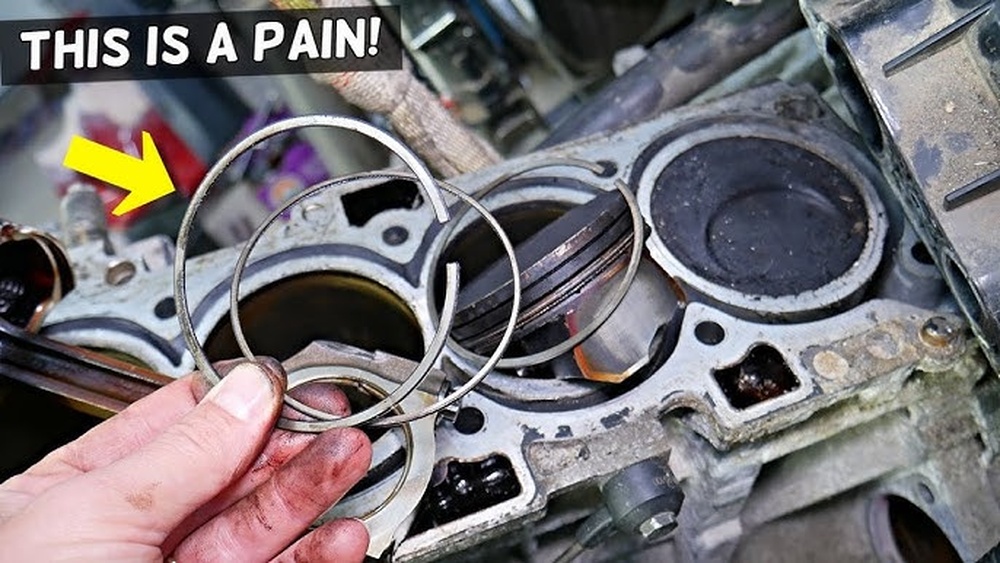
How to Replace Piston Rings Without Removing Engine: Easy DIY Guide
If you’ve noticed your engine losing power or using more oil than usual, worn piston rings might be the culprit. But the thought of removing your entire engine to fix this can feel overwhelming and expensive.
What if you could replace those piston rings without pulling the engine out? In this guide, you’ll discover simple, step-by-step techniques to tackle this job efficiently and save both time and money. Keep reading to learn how to breathe new life into your engine without the headache of a full teardown.

Credit: pistontribe.com
Signs Of Worn Piston Rings
Piston rings play a key role in your engine’s performance. They seal the combustion chamber and control oil use. When these rings wear out, the engine does not work well. Knowing the signs of worn piston rings helps catch problems early. This can save time and money on repairs.
Watch for changes in how your engine runs. Some signs are clear and easy to notice. Others need a closer look. Recognizing these signs helps decide if piston rings need replacement.
Loss Of Power
The engine may feel weaker than before. It loses strength during acceleration. The car struggles to reach normal speeds. This happens because worn piston rings cannot seal properly.
Excessive Smoke
Look for more smoke from the exhaust pipe. Blue or gray smoke shows oil burning in the engine. This occurs when oil leaks past damaged piston rings. The smoke is often visible during startup or acceleration.
High Oil Consumption
You might need to add oil more often. Worn piston rings allow oil to enter the combustion chamber. This causes the oil level to drop quickly. Keeping an eye on oil use can reveal ring wear early.
Rough Idle And Misfires
The engine may run unevenly at idle. It might shake or misfire without clear reason. This happens due to poor compression from bad piston rings. The engine struggles to keep smooth operation.
Low Compression
A compression test shows if rings are worn. Low compression means the rings do not seal well. This reduces engine power and efficiency. Mechanics use this test to confirm piston ring issues.
Tools And Materials Needed
Replacing piston rings without removing the engine needs the right tools and materials. Having everything ready saves time and makes the job easier. Each tool plays a key role in the repair process. Safety and precision depend on using the correct equipment.
Basic Hand Tools
Start with a good set of wrenches and sockets. You will also need screwdrivers and pliers. These help remove parts and access the piston rings. A torque wrench is important for tightening bolts to the right level. Don’t forget a clean rag to wipe parts.
Piston Ring Compressor
This tool compresses the piston rings to fit them back into the cylinder. It prevents damage to the rings and cylinder walls. A piston ring compressor is a must-have for this job.
Feeler Gauge
Use a feeler gauge to check ring gap clearance. Proper gap ensures good compression and engine performance. This tool measures small spaces accurately.
Engine Oil And Cleaning Supplies
Engine oil lubricates parts during installation. Use fresh oil for best results. Cleaning supplies like brake cleaner remove dirt and old oil. Clean parts prevent damage and improve sealing.
Magnetic Pickup Tool
This tool helps retrieve small metal parts dropped inside the engine. It saves time and avoids damage. A magnetic pickup tool is handy for working in tight spaces.
Preparing The Engine For Replacement
Start by cleaning the engine surface and removing dirt or grease. Check for leaks and make sure the engine is cool before beginning. Gather all necessary tools to work safely and efficiently.
Cleaning The Engine Surface
Start by cleaning the engine surface around the piston area. Dirt and grease can cause problems during replacement. Use a degreaser and a clean cloth. Make sure the surface is dry before moving on.
Disconnecting Engine Components
Remove any parts blocking access to the piston rings. This may include spark plugs and ignition wires. Label the parts to avoid confusion during reassembly. Keep all screws and bolts organized.
Checking Engine Temperature
Ensure the engine is cool before starting work. A hot engine can cause burns or damage parts. Wait at least one hour after turning off the engine before proceeding.
Gathering Necessary Tools
Collect all tools needed for the replacement. Common tools include ring compressors, pliers, and screwdrivers. Having everything ready saves time and reduces stress.
Credit: sdusdfamilies.org
Step-by-step Ring Replacement Process
Replacing piston rings without removing the engine involves careful steps and the right tools. Start by removing the cylinder head, then extract old rings and fit new ones carefully. This method saves time and avoids full engine disassembly.
Prepare Your Tools And Workspace
Gather all tools needed for the job. You will need piston ring pliers, screwdrivers, and a torque wrench. Clear a clean workspace to keep parts organized. Wear gloves to protect your hands.
Remove The Cylinder Head Cover
Start by loosening bolts holding the cylinder head cover. Carefully remove the cover to expose the piston rings. Keep bolts in a safe place for reassembly. Avoid damaging the gasket beneath the cover.
Access The Piston And Rings
Use a socket wrench to turn the crankshaft slowly. This moves the piston into the cylinder bore. Insert a piston ring compressor around the piston. Compress the rings gently to prevent damage.
Remove The Old Piston Rings
Use piston ring pliers to carefully remove each ring. Avoid bending or breaking the piston. Note the position of each ring for correct replacement. Clean the piston grooves thoroughly before installing new rings.
Install New Piston Rings
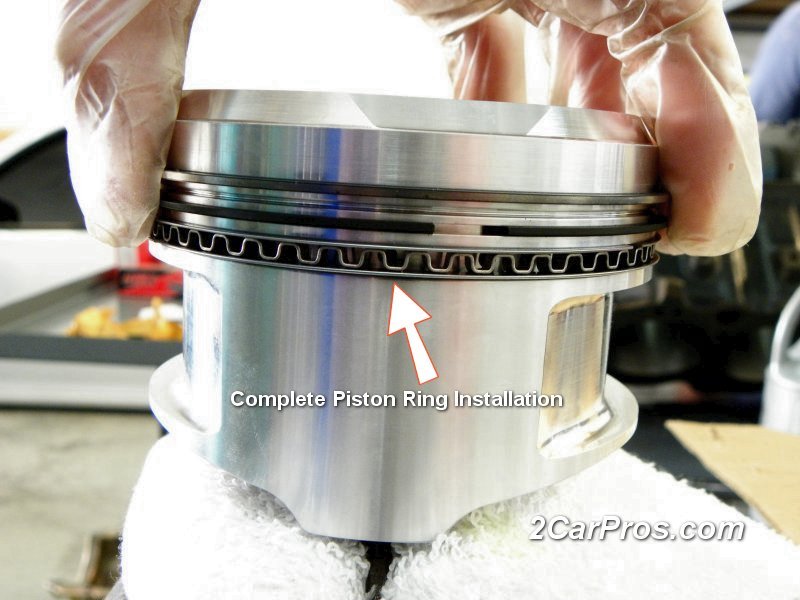
Place new rings in the correct order using pliers. Ensure each ring sits properly in its groove. Stagger ring gaps around the piston to reduce leaks. Double-check the fit before moving to the next step.
Reassemble The Engine Parts
Carefully replace the cylinder head cover with its gasket. Tighten bolts in a crisscross pattern using a torque wrench. Confirm all parts are secured and clean. Start the engine to check for proper operation.
Testing Engine Performance After Replacement
Testing engine performance after replacing piston rings is crucial. It ensures the engine runs smoothly and efficiently. This step confirms the repair success without removing the engine. Proper testing helps spot problems early and avoid future damage.
Measuring Compression Pressure
Use a compression gauge to check cylinder pressure. Good compression shows the new rings seal well. Low pressure means leaks or poor ring fit. Test each cylinder for consistent pressure readings. This simple test reveals the engine’s sealing quality.
Checking For Oil Consumption
Monitor oil levels after replacement. Excessive oil use signals ring or seal issues. Drive the vehicle normally and watch oil drop rate. Normal oil use means rings control oil flow properly. This check prevents engine damage from low oil.
Observing Exhaust Smoke
Look at the exhaust smoke color during engine run. Blue smoke indicates oil burning, a sign of ring failure. White smoke can mean coolant leaks. Clear exhaust shows the engine runs clean. Smoke color reveals piston ring condition clearly.
Performing A Leak-down Test
This test measures air loss from cylinders. It shows where air escapes during compression. Use a leak-down tester for accurate results. Low air loss means good ring sealing. High loss points to ring or valve problems.
Monitoring Engine Sound And Vibration
Listen for unusual noises like knocking or rattling. Smooth running means rings and engine parts fit well. Excess vibration suggests mechanical issues. Quiet and steady sound signals successful replacement. Engine noise offers clues about performance.
Maintenance Tips To Extend Ring Life
Keeping piston rings clean and lubricated helps them last longer. Regular checks prevent damage and maintain engine performance. Simple care steps reduce wear without engine removal.
Keep Engine Oil Clean And Fresh
Clean engine oil helps piston rings last longer. Change oil at regular intervals. Use the oil grade recommended by the manufacturer. Dirty oil causes ring wear and reduces engine performance.
Use Quality Fuel
Good fuel prevents deposits on piston rings. Avoid low-quality or contaminated fuel. Deposits make rings stick and lose their seal. Clean fuel helps rings work smoothly and last longer.
Maintain Proper Engine Temperature
Engine heat affects piston ring life. Avoid overheating the engine. Check cooling system regularly. Proper temperature keeps rings tight and prevents damage.
Avoid Frequent Short Trips
Short trips do not let the engine warm up fully. Cold starts increase ring wear. Drive longer distances occasionally to help rings seal better. This reduces early wear and tear.
Check Air Filter Often
A clean air filter protects piston rings. Dirty air lets dust enter the engine. Dust causes rings to wear quickly. Replace or clean the air filter regularly.

Credit: www.youtube.com
Frequently Asked Questions
How Can Piston Rings Be Replaced Without Removing The Engine?
Piston rings can be replaced by accessing the cylinder through the top. This involves removing the cylinder head and carefully sliding out the piston. No need to remove the entire engine for this process.
What Tools Are Needed To Replace Piston Rings In Place?
You will need a piston ring compressor, socket set, torque wrench, and screwdrivers. These tools help remove the cylinder head and safely handle piston rings. Proper tools ensure the job is done without damage.
Is It Safe To Replace Piston Rings Without Engine Removal?
Yes, it is safe if done carefully with the right tools. Avoid forcing parts and follow proper steps to prevent damage. Taking your time reduces risk during the process.
How Long Does It Take To Replace Piston Rings Without Engine Removal?
The process usually takes 3 to 5 hours for someone with basic skills. Time depends on engine type and experience level. Patience is key for a good repair.
What Are Common Mistakes When Replacing Piston Rings Without Engine Removal?
Common mistakes include breaking rings, damaging cylinder walls, or poor sealing. Using wrong tools or rushing can cause problems. Careful handling and proper tools help avoid these errors.
Conclusion
Replacing piston rings without removing the engine saves time and effort. Follow each step carefully to avoid mistakes. Use the right tools and take your time. Clean parts well before installing new rings. Check for damage and wear during the process.
This method keeps your engine running smoothly. Remember, patience and attention make the job easier. Keep your engine healthy with regular maintenance. You can do this repair safely at home. Just stay focused and work step by step.