Will Car Pass Emissions With Check Engine Light On? Essential Facts
You’re probably wondering: can your car pass an emissions test if the check engine light is on? It’s a question that troubles many drivers, especially when an unexpected light pops up on the dashboard just before inspection time.
The check engine light isn’t just a warning—it often signals an issue that could affect your car’s emissions system and, ultimately, your ability to pass the test. But don’t panic yet. You’ll discover why the check engine light matters, what it means for your emissions test, and what steps you can take to handle the situation.
Keep reading to avoid costly surprises and get your car ready for a smooth inspection.
Check Engine Light And Emissions Tests
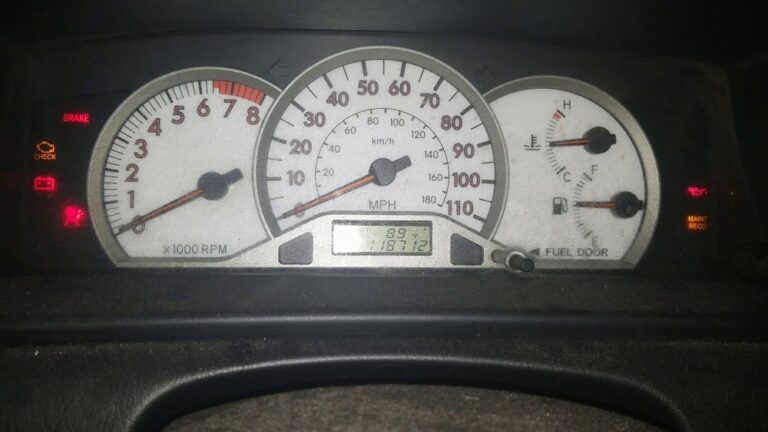
The check engine light signals problems in your vehicle’s engine or emission system. It often means the car is not running properly. Emissions tests check how much pollution your car releases. A lit check engine light usually means your car will fail this test.
Many states require cars to pass an emissions test before registration. The test measures gases like carbon monoxide and nitrogen oxides. A check engine light can indicate that these emissions are too high. This makes passing the test very unlikely.
What Does The Check Engine Light Mean For Emissions?
The check engine light can turn on for many reasons. Some issues affect emissions directly, like a faulty oxygen sensor or a bad catalytic converter. Others may not impact emissions but still cause the light to appear. The emissions test uses the car’s computer system to check for trouble codes. If the system finds an error, it flags the car as failing.
Why Cars Usually Fail Emissions With Check Engine Light On
When the check engine light is on, it means the car’s computer detected a problem. The emissions test reads these signals. If any codes are stored, the test will fail. The computer may also prevent a test if the system is not ready. Clearing the check engine light without fixing the problem will not help. The error will return, causing a failure.
Can You Pass The Emissions Test With The Light On?
Most states do not allow passing an emissions test with the check engine light on. The light shows the car is polluting more than allowed. Sometimes, the light can come on for minor issues. Still, the law requires the light to be off for a pass. Fixing the root cause and resetting the light is necessary. This ensures the car meets emissions standards.

Credit: www.reddit.com
Reasons For Check Engine Light Activation
State regulations on vehicle emissions and the Check Engine Light (CEL) vary widely across the United States. These rules are designed to reduce air pollution and ensure cars run efficiently. Understanding these laws helps vehicle owners know what to expect during an emissions test.
Most states require vehicles to pass an emissions inspection before registration renewal. The presence of a Check Engine Light often signals an automatic failure. This is because the light indicates a problem that may increase emissions.
Some states allow limited exceptions, such as recent repairs or temporary waivers. Still, the majority have strict rules: no Check Engine Light means no pass. It is essential to check local laws before the test to avoid surprises.
California’s Strict Emissions Standards
California has some of the toughest emissions rules in the country. The state requires all vehicles to pass a smog check. If the Check Engine Light is on, the car will fail. Repair and diagnostics are necessary before retesting.
Texas Emissions Testing Rules
Texas requires emissions tests in many counties, including Austin and Harris County. A lit Check Engine Light usually means automatic failure. The state does not allow passing with unresolved engine codes. Drivers must fix the issue and clear the light first.
States With Lenient Or No Emissions Testing
Some states have no emissions testing or lenient rules. In these places, the Check Engine Light may not affect registration. However, ignoring the light can lead to bigger problems. Vehicle owners should still address any engine issues promptly.
State Regulations On Emissions And Cel
Passing an emissions test with the Check Engine Light (CEL) on can be challenging. Many states do not allow vehicles with an active CEL to pass emissions testing. Taking the right steps can improve your chances of passing despite this warning. The following guide explains how to address this issue effectively.
Scan And Identify Trouble Codes
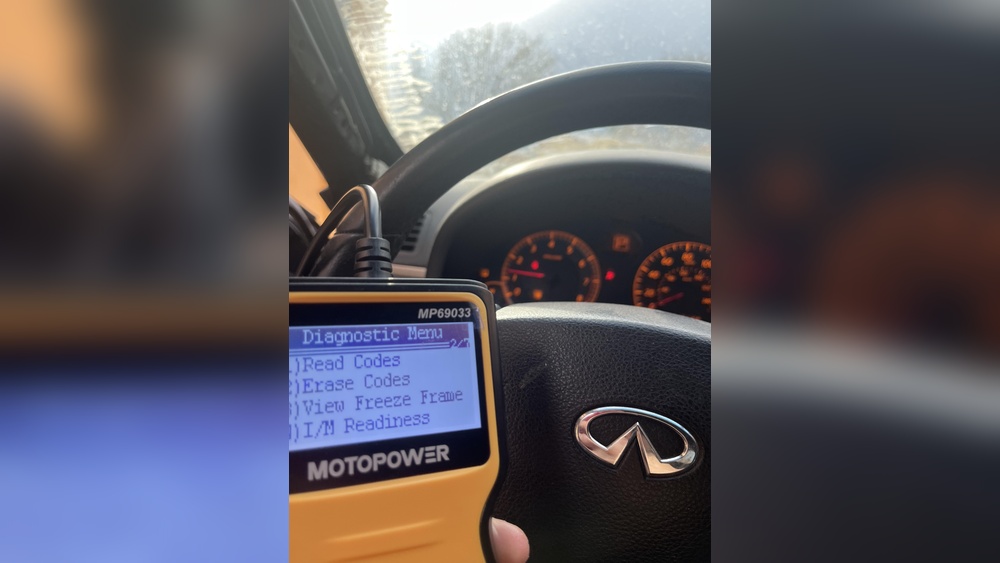
Use an OBD-II scanner to read the diagnostic trouble codes (DTCs). These codes reveal the exact problem causing the CEL. Understanding the issue helps you decide what repairs are needed. Some auto parts stores offer free code scanning services.
Fix The Underlying Problems
Repair the faults causing the CEL. Common issues include faulty oxygen sensors, loose gas caps, or bad catalytic converters. Fixing these problems can turn off the CEL and improve emissions performance. Proper repairs increase the chance of passing the test.
Clear The Check Engine Light
After repairs, reset the CEL using the OBD-II scanner. Clearing the light allows the vehicle’s computer to run checks again. Drive the car through a full drive cycle to complete these tests. A steady CEL often means the issue is unresolved.
Perform A Complete Drive Cycle
Drive your vehicle under various conditions to reset readiness monitors. This includes city driving, highway speeds, and idling. The drive cycle ensures all emissions systems are tested. The car’s computer must show all systems ready before testing.
Check Readiness Monitors Before The Test
Verify all readiness monitors have completed their tests. Use the OBD-II scanner to confirm this status. Incomplete monitors can cause automatic test failure. Ensuring all monitors are ready helps avoid unnecessary retests.

Credit: www.youtube.com
Steps To Pass Emissions With Cel On
Many drivers believe they can bypass emissions tests despite the check engine light. This common misconception leads to costly mistakes and failed inspections. Clearing the check engine light without fixing the issue does not guarantee a pass. Understanding the myths helps avoid trouble and keeps your vehicle compliant.
Myth 1: Clearing The Check Engine Light Passes Emissions
Some think erasing the light with a scanner hides problems. The test system detects recent resets and incomplete drive cycles. This causes automatic failure. Repairs must fix the underlying issue first.
Myth 2: Disconnecting The Battery Tricks The System
Disconnecting the battery resets the car’s computer. The emissions test checks for stored fault codes and readiness monitors. Resetting without repairs causes monitors to show as “not ready.” This leads to test failure.
Myth 3: Emissions Tests Ignore The Check Engine Light
The check engine light signals emission-related problems. Most states require the light to be off to pass. The test center scans for trouble codes. An active light almost always means automatic failure.
Myth 4: Partial Repairs Are Enough
Fixing only some issues may not clear all codes. The car’s computer runs self-tests before the light turns off. Incomplete repairs keep the light on or cause it to return quickly. Full repairs are essential.

Credit: www.youtube.com
Frequently Asked Questions
How To Turn Off Check Engine Light To Pass Emissions?
Turn off the check engine light by fixing the issue causing it. Use an OBD-II scanner to clear codes after repairs. Complete a full drive cycle before testing. Avoid simply disconnecting the battery, as the light may return and cause failure.
Can I Drive 100 Miles With The Engine Light On?
Driving 100 miles with the engine light on is risky. It may cause severe engine damage. Have your vehicle checked immediately.
How To Pass Emissions Test Tricks?
Warm up your engine, check and fix the “Check Engine” light issues, clean the fuel system, change oil, and inspect the gas cap. Inflate tires properly and tune your vehicle for better emissions test results. Avoid testing with an active check engine light.
Is There A Way To Bypass The Check Engine Light?
Bypassing the check engine light is not recommended. Clearing codes without fixing issues may cause failures and further damage.
Conclusion
A check engine light usually means your car won’t pass emissions. The light shows there is a problem affecting pollution control. Fixing the issue before the test improves your chances. Simply clearing the light without repair often leads to failure.
Regular maintenance helps keep your car running clean. Don’t ignore the warning; it saves money and trouble later. Passing emissions keeps the environment safer for everyone. Take care of your vehicle, and you’ll pass the test.