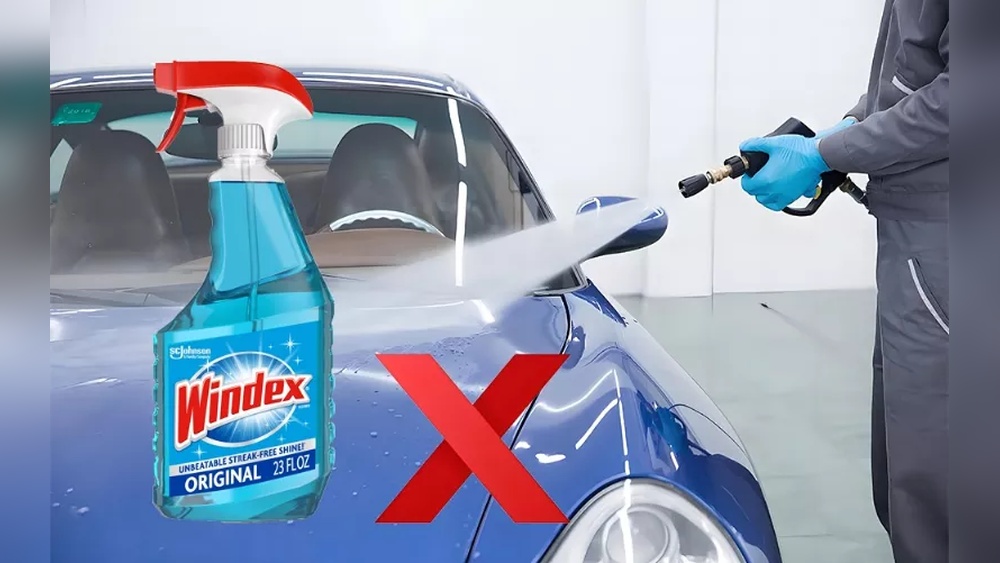
Can You Put Windex in Your Windshield Washer Fluid? Shocking Truth!
Have you ever wondered if you can use Windex as a quick fix for your windshield washer fluid? It sounds convenient—after all, Windex is made to clean glass, right?
But before you pour that bottle into your car’s reservoir, there are some important things you need to know. Using Windex might seem like a good idea, but it can actually cause serious damage to your car’s paint, rubber seals, and washer system.
If you want to keep your windshield clear and your vehicle safe, you’ll want to read this article carefully. We’ll explain why Windex isn’t the best choice, what risks you face if you use it, and what safe alternatives you should use instead. Stick with us to protect your car and keep your view crystal clear on every drive.
Credit: glassdoctor.com
Risks Of Using Windex In Washer Fluid
Using Windex in your windshield washer fluid might seem convenient. It cleans glass well at home. But Windex can damage important car parts. It contains chemicals not made for automotive use. These chemicals can harm rubber, plastic, and paint on your vehicle.
Windex has ammonia and other strong ingredients. These can dry out rubber seals and wiper blades. Over time, the rubber may crack or shrink. This reduces the effectiveness of your windshield wipers.
Plastic parts in the washer system also suffer. Ammonia can cause plastic hoses and fluid pumps to weaken. This may lead to leaks or system failure. The cost to repair these parts can be high.
Windex can also harm your car’s paint. The ammonia strips away wax and clear coats. This leaves the paint dull and vulnerable to damage. Aftermarket window tint can also fade or peel.
Damage To Rubber Components
Rubber seals and wiper blades dry out from Windex. Ammonia removes oils that keep rubber soft. Cracked rubber lets water leak inside the car. Worn wiper blades fail to clear the windshield well. This lowers visibility and driving safety.
Plastic And Pump Corrosion
Windex chemicals can corrode plastic hoses. The fluid pump, often made with brass parts, can clog or corrode. This stops the washer fluid from spraying properly. You might notice weak spray or no spray at all.
Paint And Clear Coat Damage
Ammonia in Windex eats away protective wax on paint. The clear coat can become dull and patchy. This reduces your car’s shine and resale value. Window tint films may bubble or peel off too.
Foaming And Reduced Visibility
Surfactants in Windex create foam on the windshield. At high speeds, foam blurs vision. This can be dangerous while driving. Dedicated washer fluids produce less foam and clean better.
Freezing Risks In Cold Weather
Windex lacks antifreeze chemicals. It can freeze in cold weather. Frozen fluid blocks washer lines and sprays. This damages the system and leaves you without cleaning fluid.
How Windex Harms Car Components
Using Windex in your windshield washer fluid can harm car parts. Its ammonia dries rubber seals and plastic hoses. Windex may also strip paint wax and cause smearing on glass, reducing visibility while driving.
Household Ingredients For Windshield Washer Fluid
Simple household items can safely clean your windshield. Mix water with a small amount of dish soap. It helps remove dirt without harming car parts. Adding a little rubbing alcohol stops freezing in cold weather. Avoid using too much soap to prevent streaks.
Commercial Windshield Washer Fluids
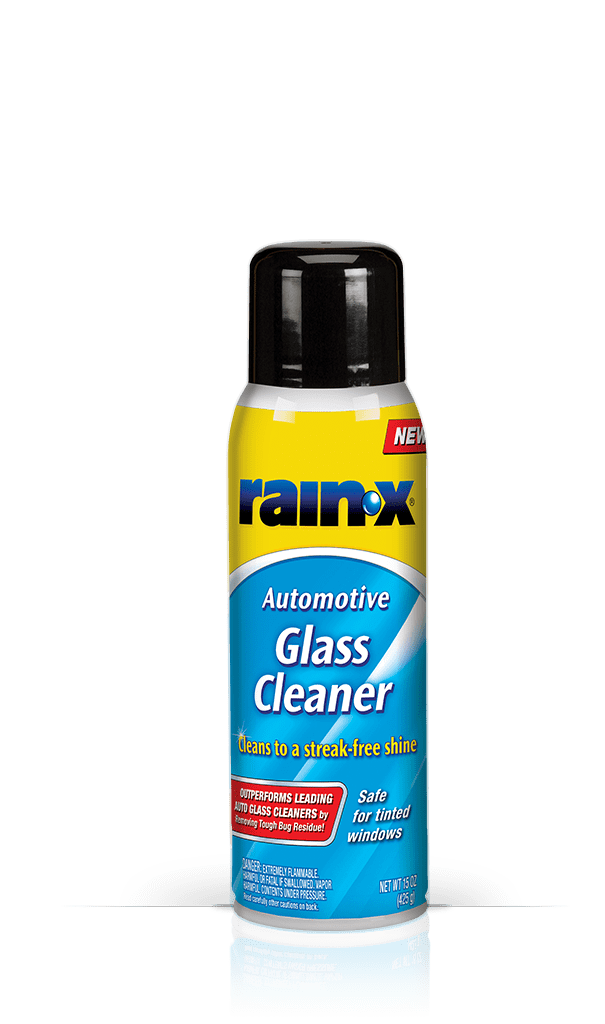
Store-bought washer fluids are designed for cars. They clean well and protect your paint and rubber parts. Many contain antifreeze to work in winter. Look for products labeled safe for all seasons. These fluids maintain your car’s system better than Windex.
Diy Windshield Washer Fluid Recipes
Making your own fluid is easy and safe. Mix 3 parts water, 1 part rubbing alcohol, and a drop of dish soap. This blend cleans well and resists freezing. Use distilled water to avoid mineral buildup. Test your mix on a small area first.
Problems With Paint And Rubber Seals
Accidentally adding Windex to your windshield washer fluid can harm your car’s system. Windex is not made for this use and may damage parts. Acting quickly helps prevent long-term issues. Follow these simple steps to fix the problem and protect your vehicle.
Drain The Washer Fluid Reservoir
Start by emptying the washer fluid tank completely. Run the washer until no fluid sprays out. Then, open the reservoir cap and use a siphon or turkey baster to remove any leftover liquid. Removing all Windex helps avoid damage to the system.
Flush The System With Water
Fill the reservoir with clean water. Spray the water through the windshield washer system several times. This flushes out any remaining Windex inside the hoses and pump. Repeat this step until the water runs clear and no soap residue remains.
Refill With Proper Washer Fluid
After flushing, add a high-quality windshield washer fluid. This fluid is designed for cars and protects rubber seals and paint. Avoid mixing any glass cleaners or household detergents. Use only fluids made for automotive use to keep the system safe.
Check For Damage And Test
Inspect the rubber wiper blades and plastic parts for signs of wear or damage. If needed, replace any dried or cracked components. Test the washer system by spraying the fluid on the windshield. Ensure it cleans well and no foaming or streaks appear.
Credit: www.rainx.com

Credit: mymagicgr.com
Frequently Asked Questions
Can I Mix Windex And Water For Windshield Wiper Fluid?
Do not mix Windex and water for windshield wiper fluid. Windex’s ammonia can damage paint, rubber, and plastic parts. Use dedicated automotive washer fluid instead.
What Can I Use To Substitute Windshield Washer Fluid?
Use water mixed with a small amount of mild dish soap and rubbing alcohol as a temporary windshield washer fluid substitute. Avoid straight Windex to prevent damage to paint, rubber, and plastic components. Always choose dedicated automotive washer fluid for best results and vehicle safety.
Is Windex Good For Wiper Fluid?
No, Windex is not good for wiper fluid. Its ammonia can damage paint, rubber seals, and plastic parts. Use dedicated windshield washer fluid instead.
Can I Use Windex Instead Of Windshield Washer Fluid?
Using straight Windex can damage your car’s paint and rubber parts. It lacks antifreeze and can freeze in cold weather. Stick to fluids made for cars.
Conclusion
Using straight Windex in your windshield washer fluid can cause damage. It may harm rubber seals, paint, and plastic parts. Windex lacks antifreeze, so it can freeze in cold weather. Store-bought washer fluids are safer and designed for cars. If you accidentally use Windex, drain and flush the system.
Protect your vehicle by choosing the right cleaning fluid. Clean windshields improve safety and visibility on the road. Keep your car’s washer system working well with proper fluids. Safe choices help your vehicle last longer and look better.